How to Choose the Right Rubber Tracks for Your Construction Equipment
Rubber tracks play a crucial role in how well your machine performs on the job. A track that is properly matched to your ground conditions, machine size, and job application keeps your equipment efficient, comfortable to operate, and protected against unnecessary undercarriage wear.
At EquipmentBlades.com, you can find rubber track options designed for skid steers, compact track loaders, and mini excavators. Whether you need improved traction in mud or increased durability in rock, choosing the right track ensures longer life and lower operating costs. Explore the full selection in the Rubber Tracks collection. This guide will help you understand the key factors to consider when selecting replacement rubber tracks.
Why Rubber Tracks Matter
Rubber tracks contribute directly to machine productivity and operator comfort. Good track selection provides:
- Better traction and stability
- Reduced vibration and fuel usage
- Lower ground disturbance
- Increased undercarriage lifespan
- Faster cycle times
When your tracks are worn or poorly matched to your terrain, the entire machine struggles. Choosing the correct style helps protect your investment and your schedule.
Rubber Track Tread Types for Skid Steers and Loaders
Staggered Block Rubber Track Patterns
High versatility. The Staggered Block tread design creates a highly versatile track with balanced traction. The design minimizes vibration by putting more rubber on the traveling surface which spreads the weight load while increasing flotation. Surfaces: Asphalt, Dirt, Grass, Gravel.
C-Pad Rubber Track Patterns
Great for hills and slopes. The C-Pad is also known as C-Lug, C-Pattern, or C-Block. The distinctive c shaped tread provides a more aggressive bite than Staggered Block for optimal flotation and traction on slopes. Surfaces: Asphalt, Dirt, Grass, Gravel.
Straight Bar Rubber Track Patterns
Aggressive and effective. Straight Bar is the most aggressive option. It performs well in mud and snow and in applications where traction is more important than the ground surface. Operator comfort is secondary. Surfaces: Dirt, Gravel, Mud, Snow.
Zig Zag Rubber Track Patterns
Extreme versatility. Zig Zag provides a smooth ride with strong wear characteristics across multiple surfaces and remains effective in snow and mud. Surfaces: Dirt, Gravel, Mud, Snow.
See more track pattern options in the Rubber Tracks collection.

Which Machines Use Rubber Tracks
- Skid steers working on turf, gravel, or pavement
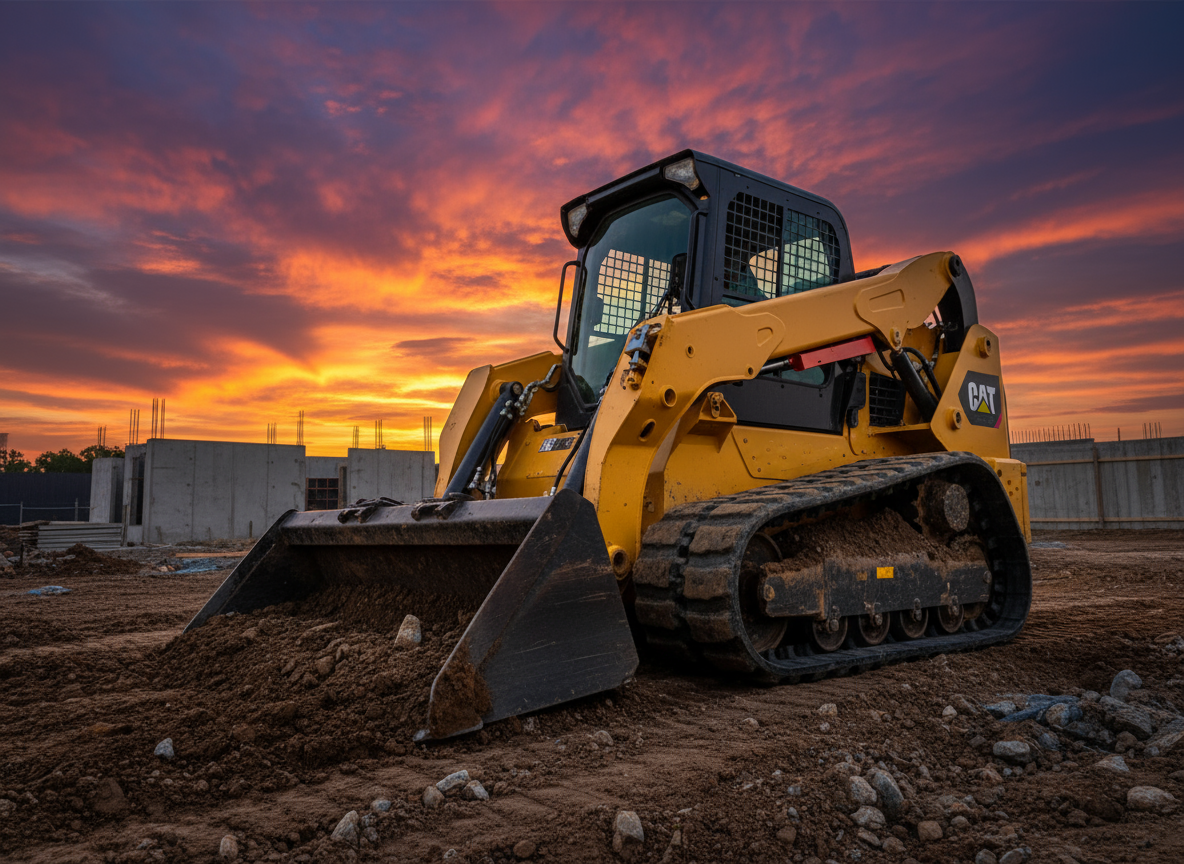
- Compact track loaders in soft ground and grading applications
- Mini excavators for digging where ground disturbance must be minimized
For example, if you operate Bobcat loaders, you can review tracks like the BOBCAT RTS320×86×49E3. If your fleet includes ASV track loaders, you can review options like the ASV RTS639 1830MTL.
How to Measure Rubber Tracks
To find compatible tracks for your machine, confirm these three specifications:
- Track width
- Pitch, which is the distance between drive lugs inside the track
- Number of drive lugs
These dimensions are often molded into the inside of the rubber track or found in your equipment manual. If you are unsure, contact the Equipment Blades support team with your machine model and they will match your track sizing.
Choosing the Right Tread Pattern
Different tread styles are designed for different ground types and operational needs.
| Tread Pattern | Best Use | Pros |
|---|---|---|
| Multi Bar | Turf, landscaping | Low ground disturbance and smooth ride |
| Block Pattern | Gravel or hard ground | Durability and traction |
| Zig Zag Pattern | Snow or loose ground | Strong grip and directional control |
| C Lug Pattern | Slopes, rocks | Reduced slippage and higher pulling power |
For skid steers operating on asphalt or landscaping projects, multi bar tracks help protect the ground while reducing vibration. For mini excavators digging in rocky terrain, C lug or block patterns improve durability and grip. You can review options matched to ground conditions in the Rubber Tracks category.
Application Matters More Than Machine Alone
- Mud: Taller tread for aggressive traction
- Rock and rubble: Reinforced carcass to resist cuts
- Turf and pavement: Low profile tread for minimal damage
- Frozen ground: Deep biting tread for penetration
Choosing the wrong track for your terrain results in faster wear and more downtime.
Rubber Track Construction Quality
Not all tracks are made the same. Consider:
- Internal steel cable reinforcement to prevent stretching
- High grade rubber compounds for cut and crack resistance
- Embedded drive lugs for better power transfer
- Anti vibration tread spacing for smoother ride quality
Higher quality tracks cost more up front but deliver significantly longer life in harsh environments.

When to Replace Your Rubber Tracks
Waiting too long leads to avoidable damage. Replace when you see:
- Exposed steel cables
- Track slipping off rollers
- Cracked or missing tread lugs
- Loss of traction affecting productivity
- Increased fuel consumption due to resistance
If the tracks no longer maintain tension, replacement becomes critical for safe operation. You can shop replacement options in the Rubber Tracks collection.
Installation and Fitment Tips
- Replace both tracks together when possible to prevent alignment issues
- Verify your tensioning system works correctly
- Inspect sprockets and rollers for wear before installation
- Perform slow test movements after installation to verify tracking
Pairing new tracks with worn sprockets reduces lifespan and increases the risk of track derailment.
Frequently Asked Questions
What machines use rubber tracks
Rubber tracks are commonly used on skid steers, compact track loaders, and mini excavators to reduce ground disturbance and improve stability.
How do I know what size rubber track I need
Check the molded markings inside your existing track or verify sizing in your equipment manual. You can also request assistance by browsing the Rubber Tracks collection and contacting support with your model information.
What tread design should I choose
Match your tread to the most common terrain you encounter. For example, block treads for rock and hard surfaces and multi bar for grass and landscaping.
How long do rubber tracks last
Track life varies depending on job site conditions and maintenance. Softer ground and clean operating practices extend life compared to abrasive rock or demolition debris.
Can rubber tracks be used in winter
Yes. Tracks with deeper and more aggressive tread improve cold weather traction. Routine cleaning prevents ice buildup that can affect alignment.
Do rubber tracks damage pavement
Tracks with low profile tread patterns are best for pavement and help minimize surface scuffing.
Ready to Order Replacement Tracks
If your tracks are showing signs of wear or you are upgrading performance for new terrains, EquipmentBlades.com has options designed for your machine and job application. Explore rubber tracks in the collection, or provide your model information to get matched with the right fitment.