

Caterpillar® Wear Parts and Cutting Edges
Filters
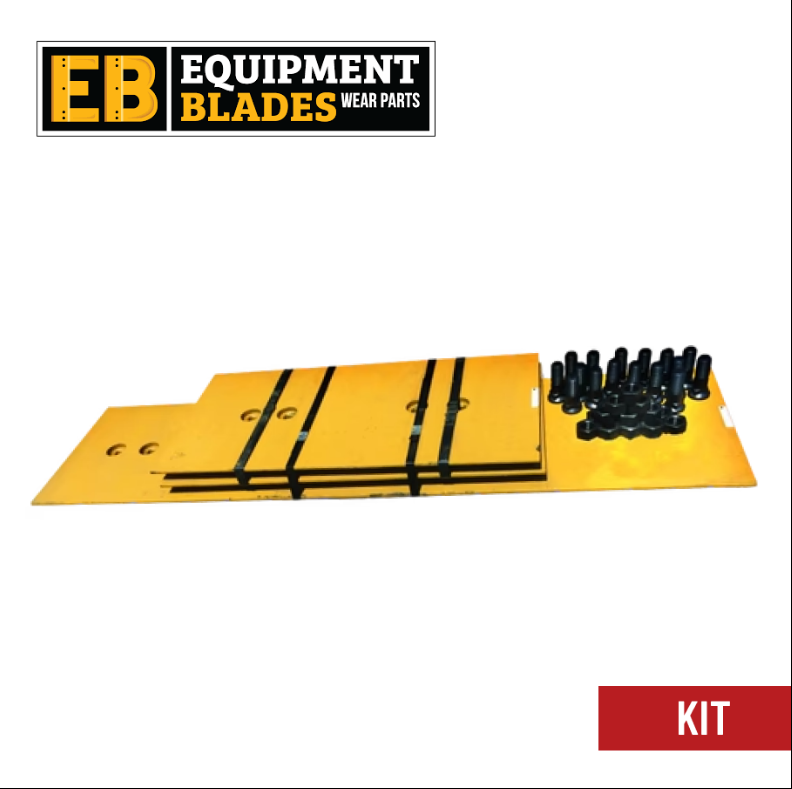
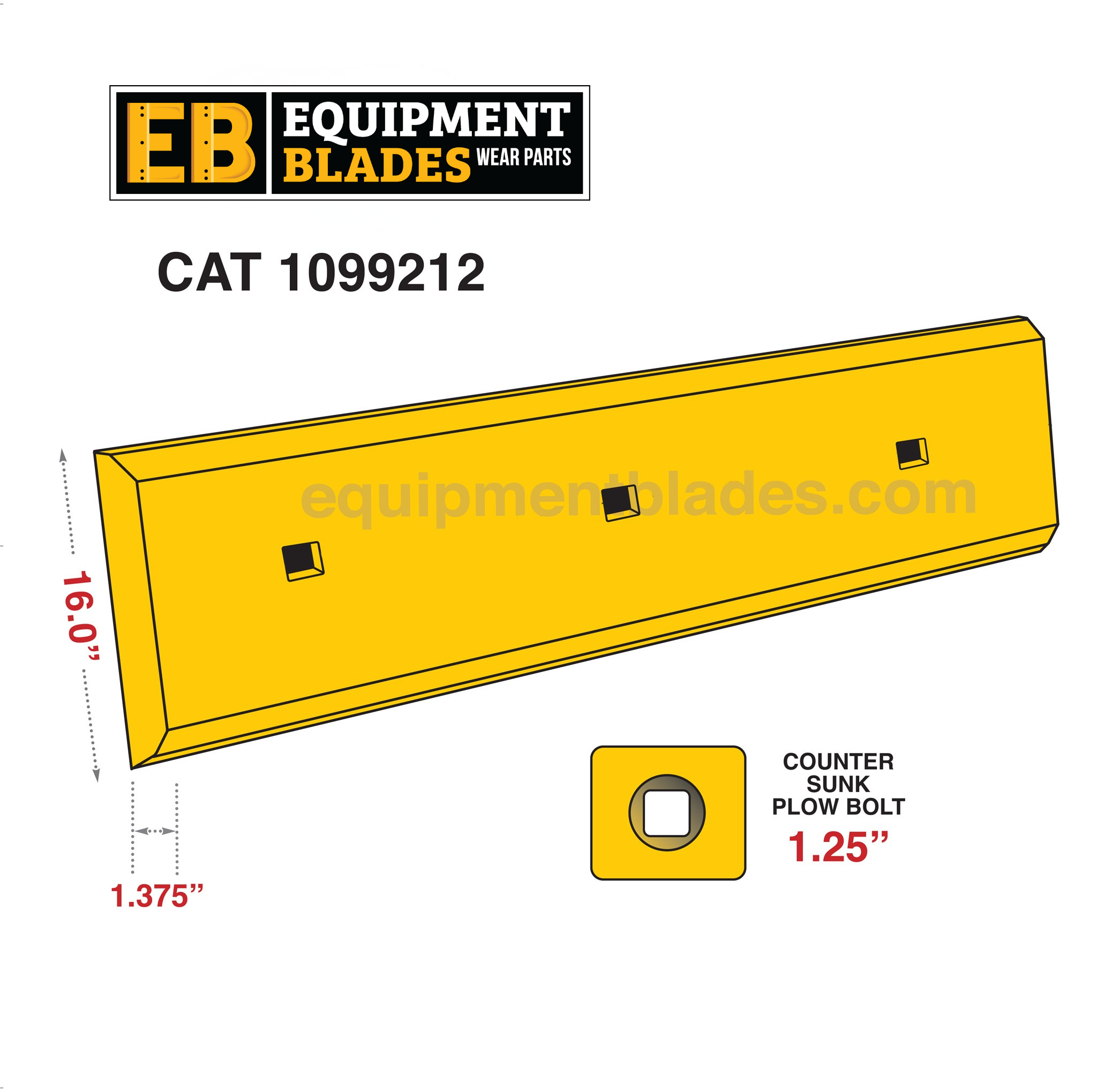
Part #:
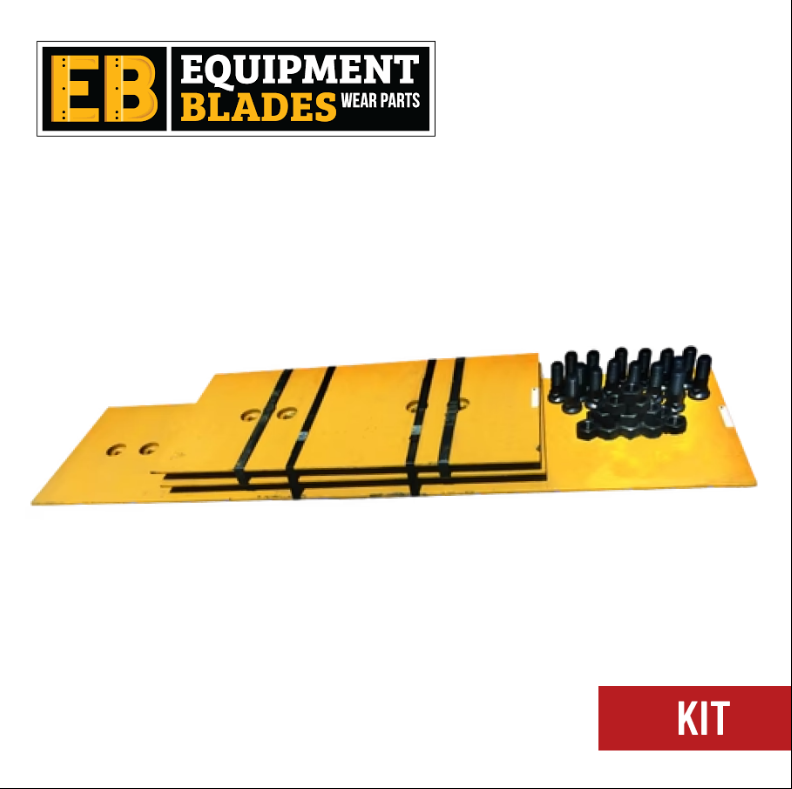
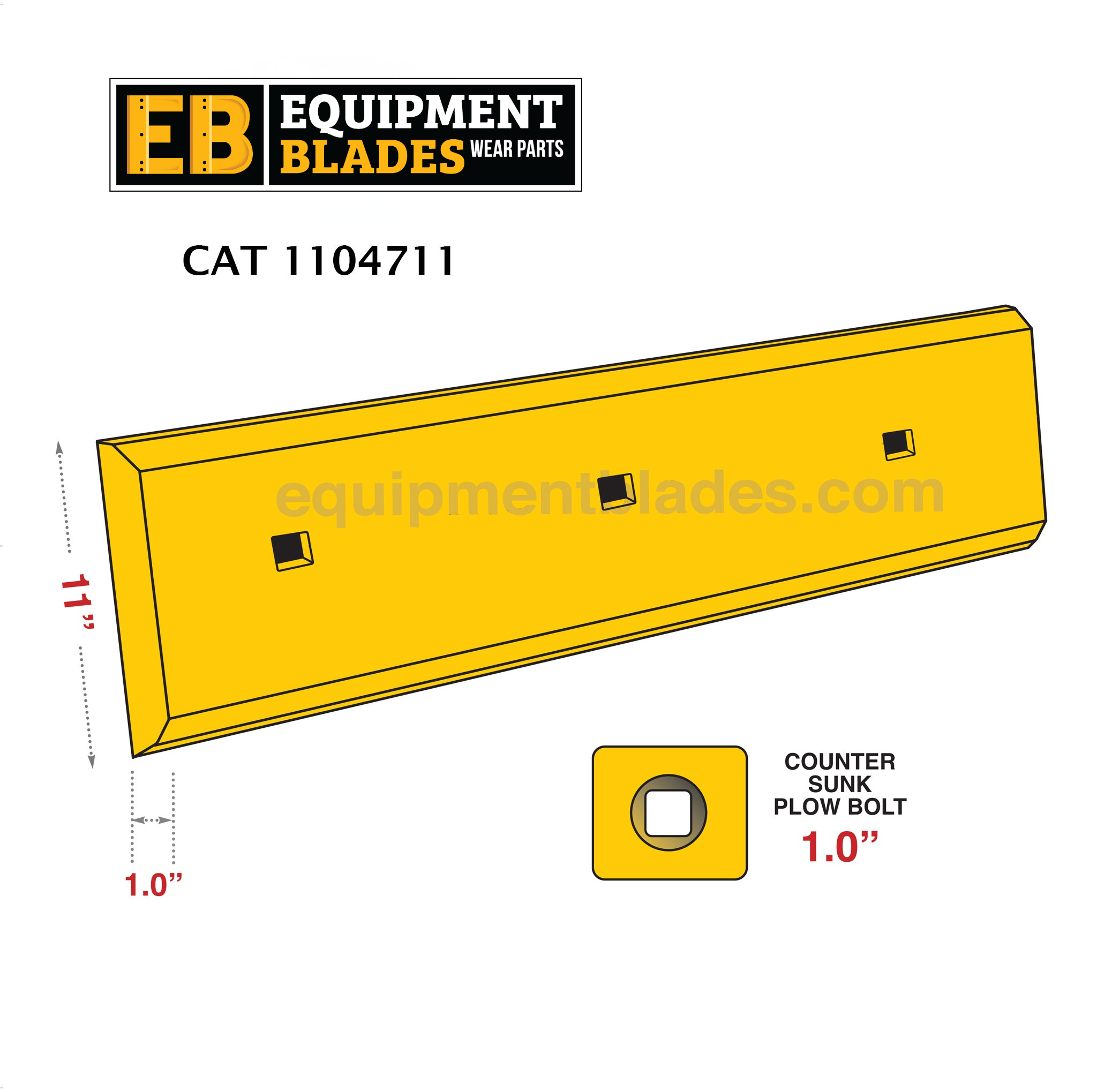
Part #:
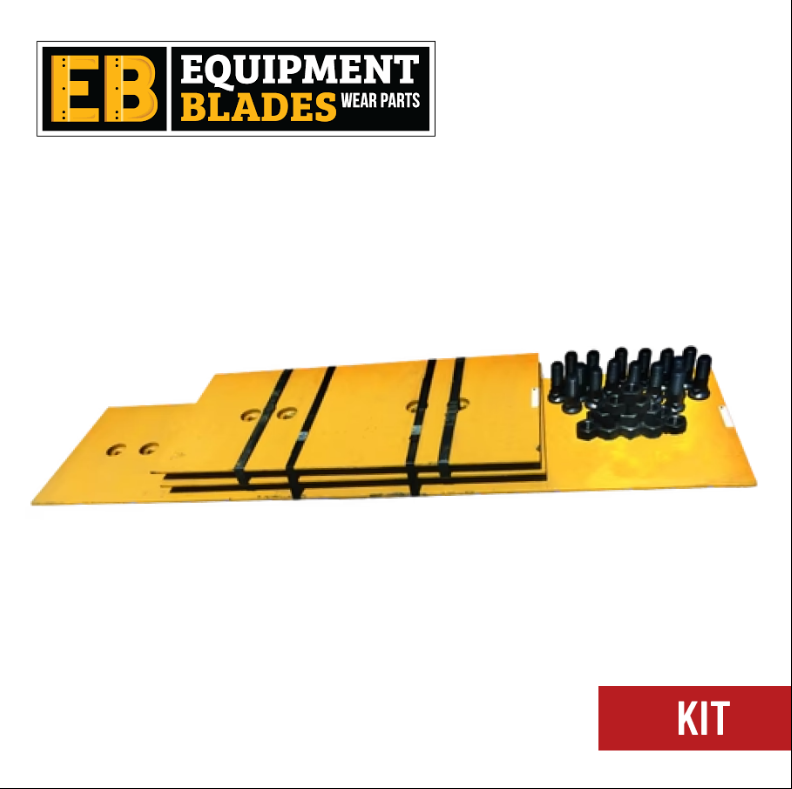
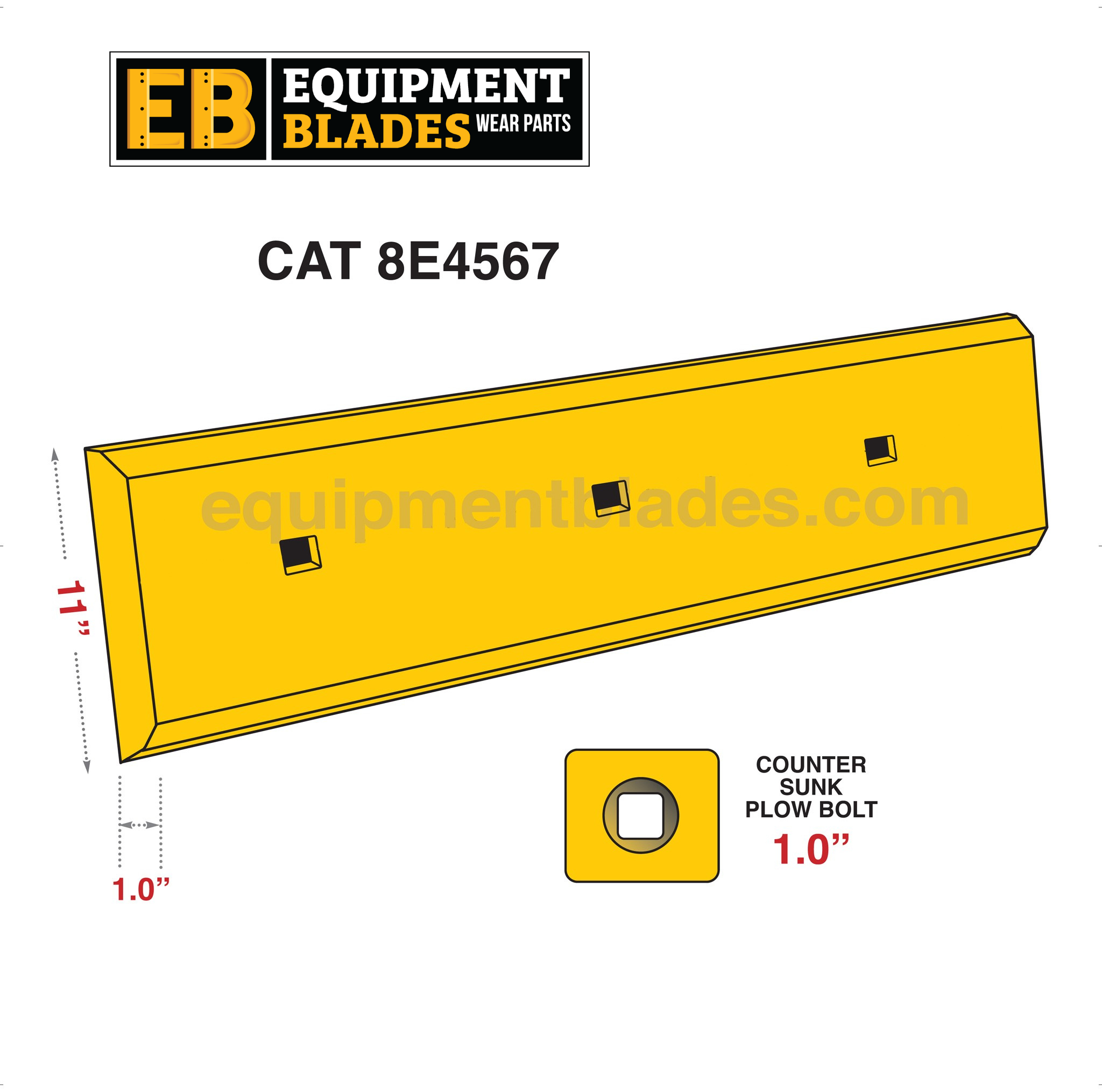
Part #:
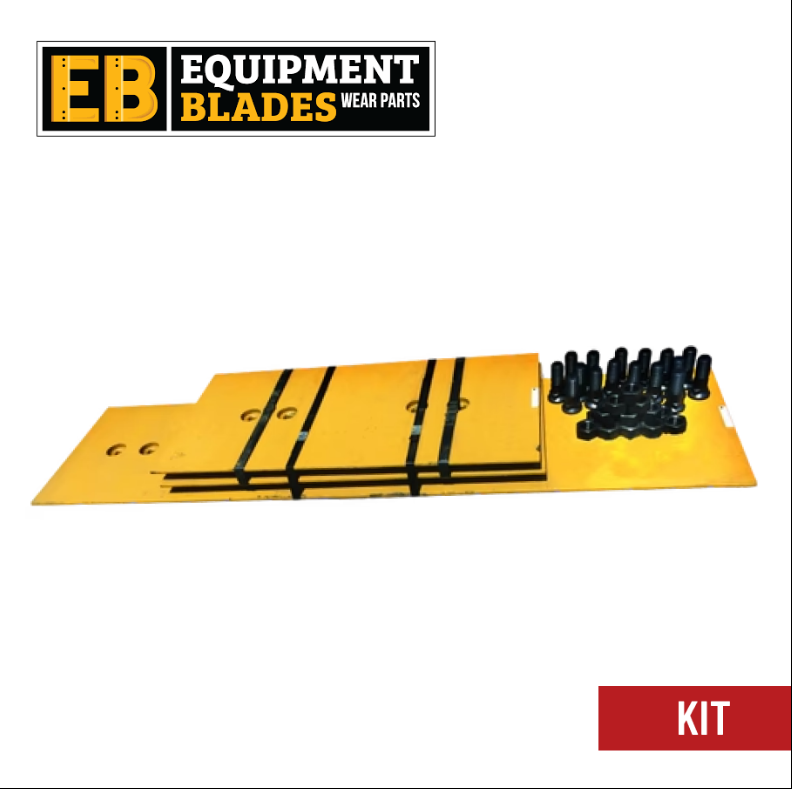
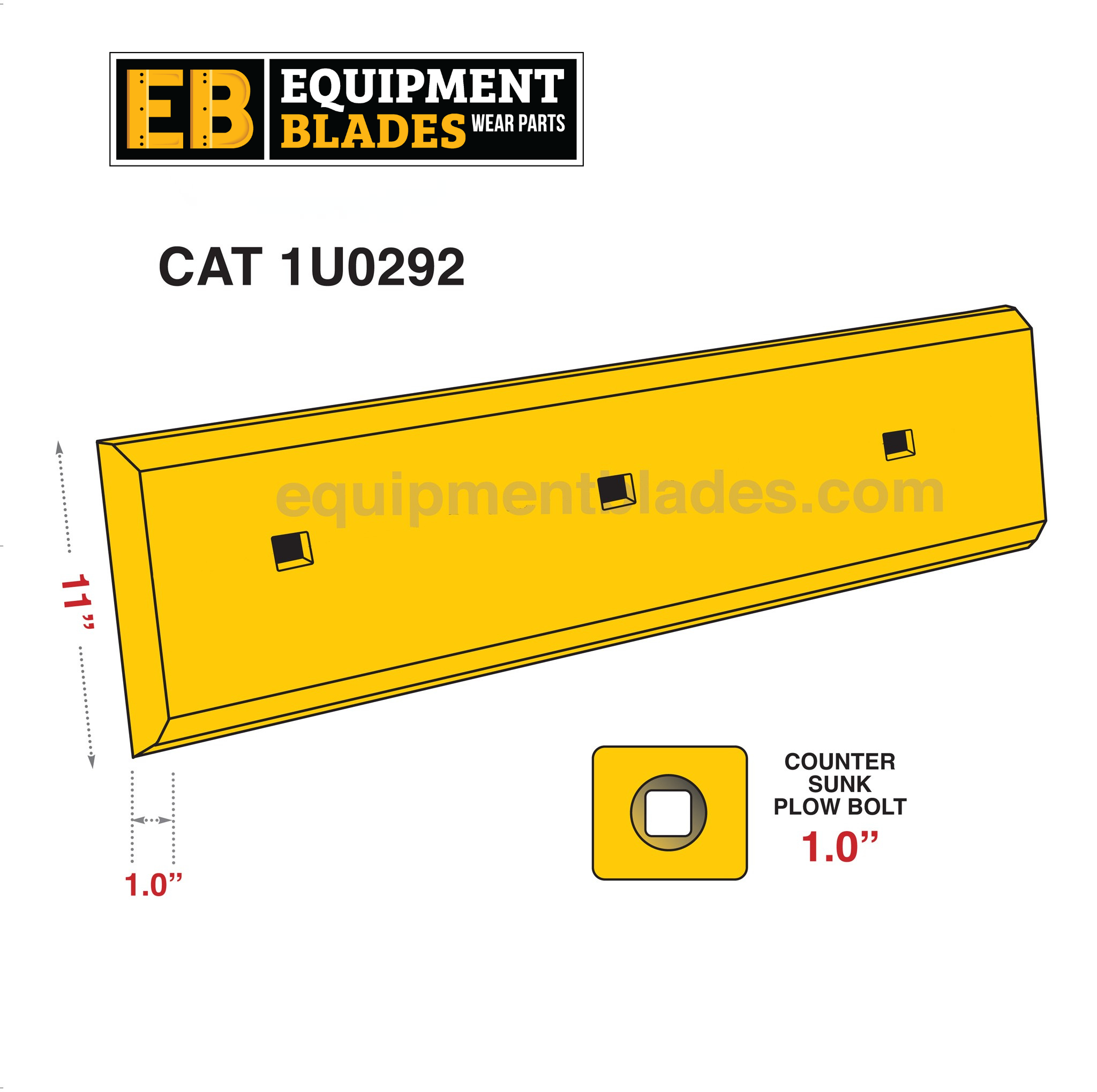
Part #:
Part #:
Part #:
Part #:
Part #:
Part #:
Part #:
Part #:
Part #:
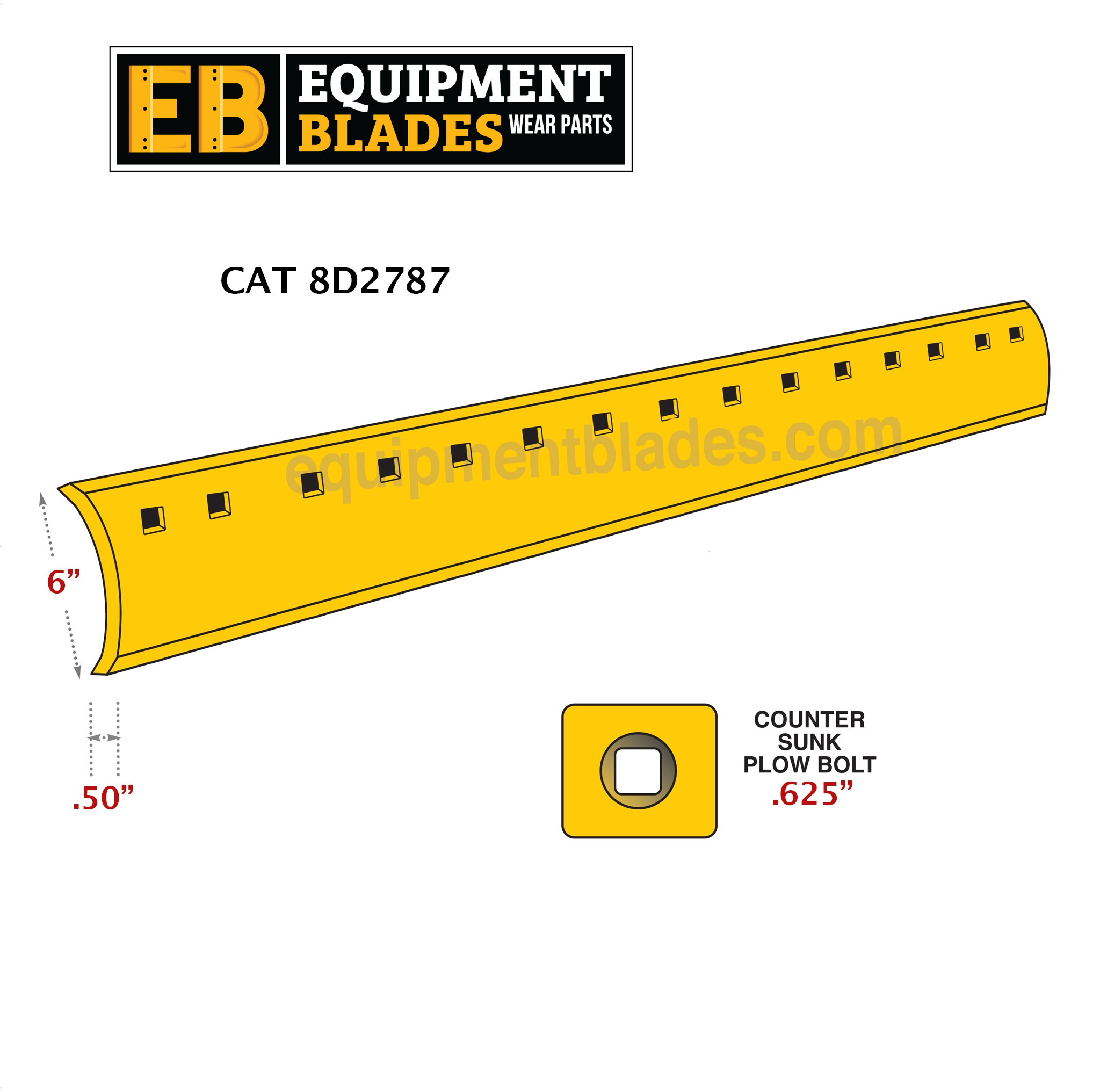
Part #: Cat 8D2787
Part #: Cat 8D2787
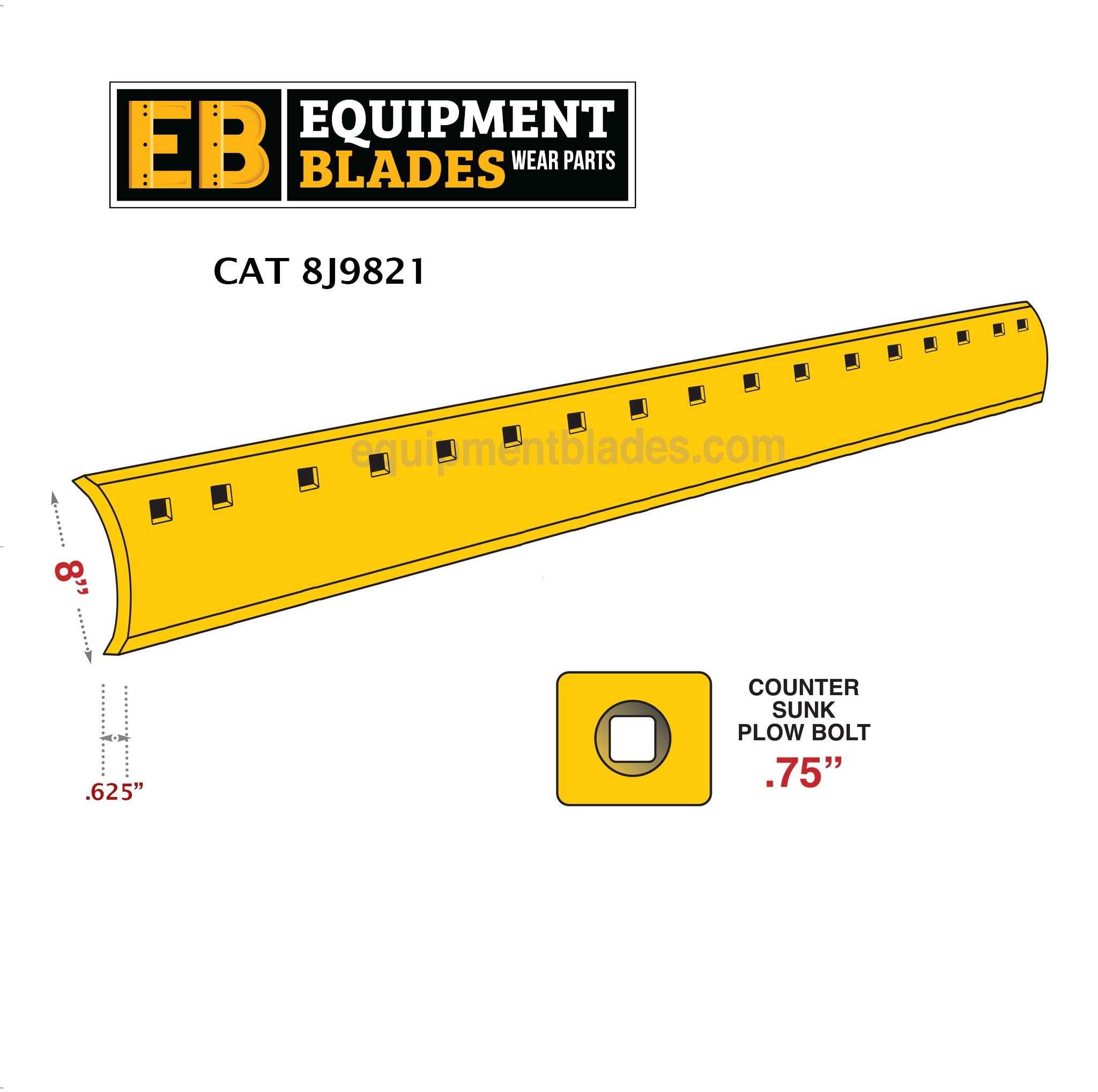
Part #:
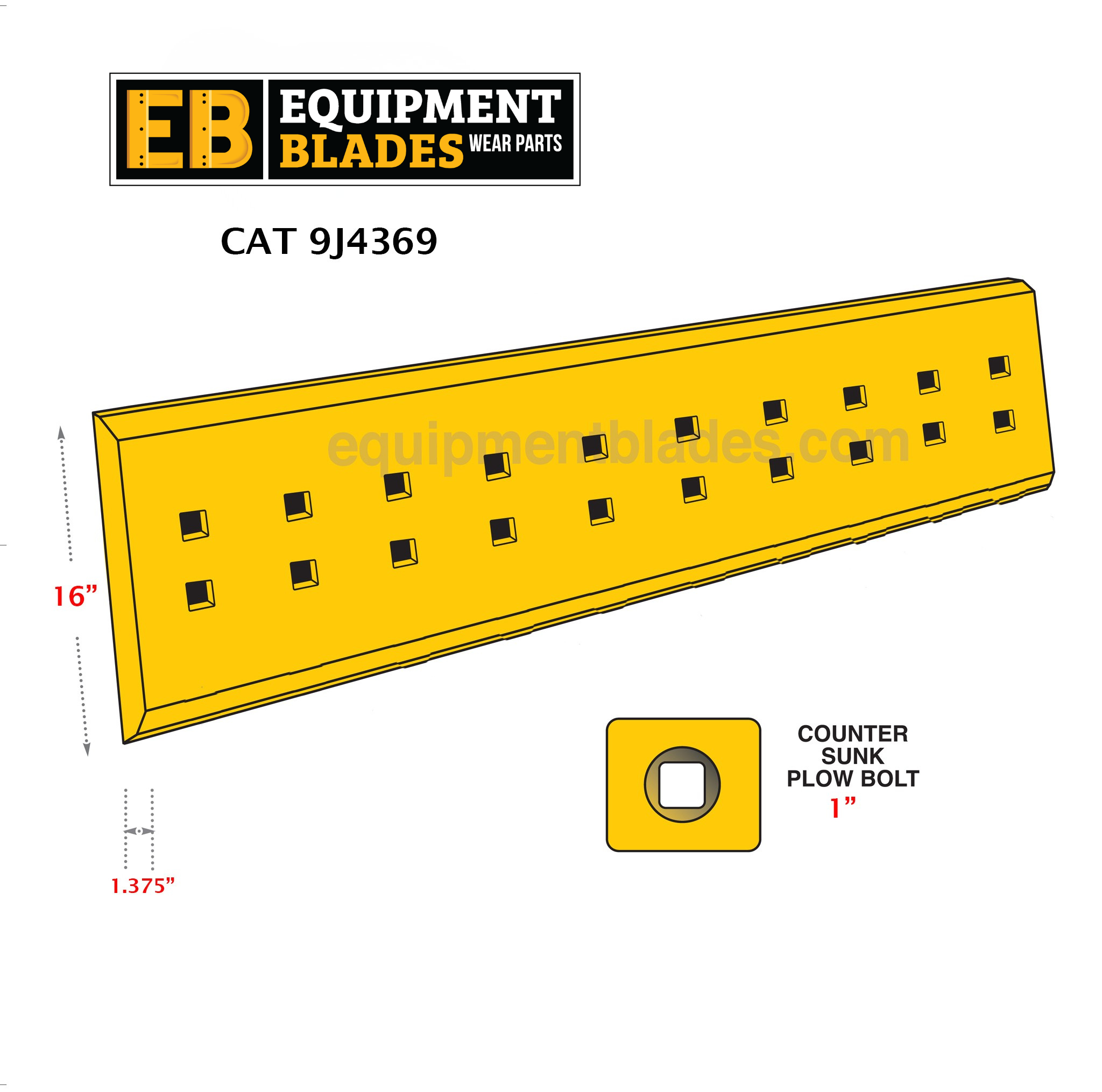
Part #: CAT 9J4369
Part #: CAT 9J4369
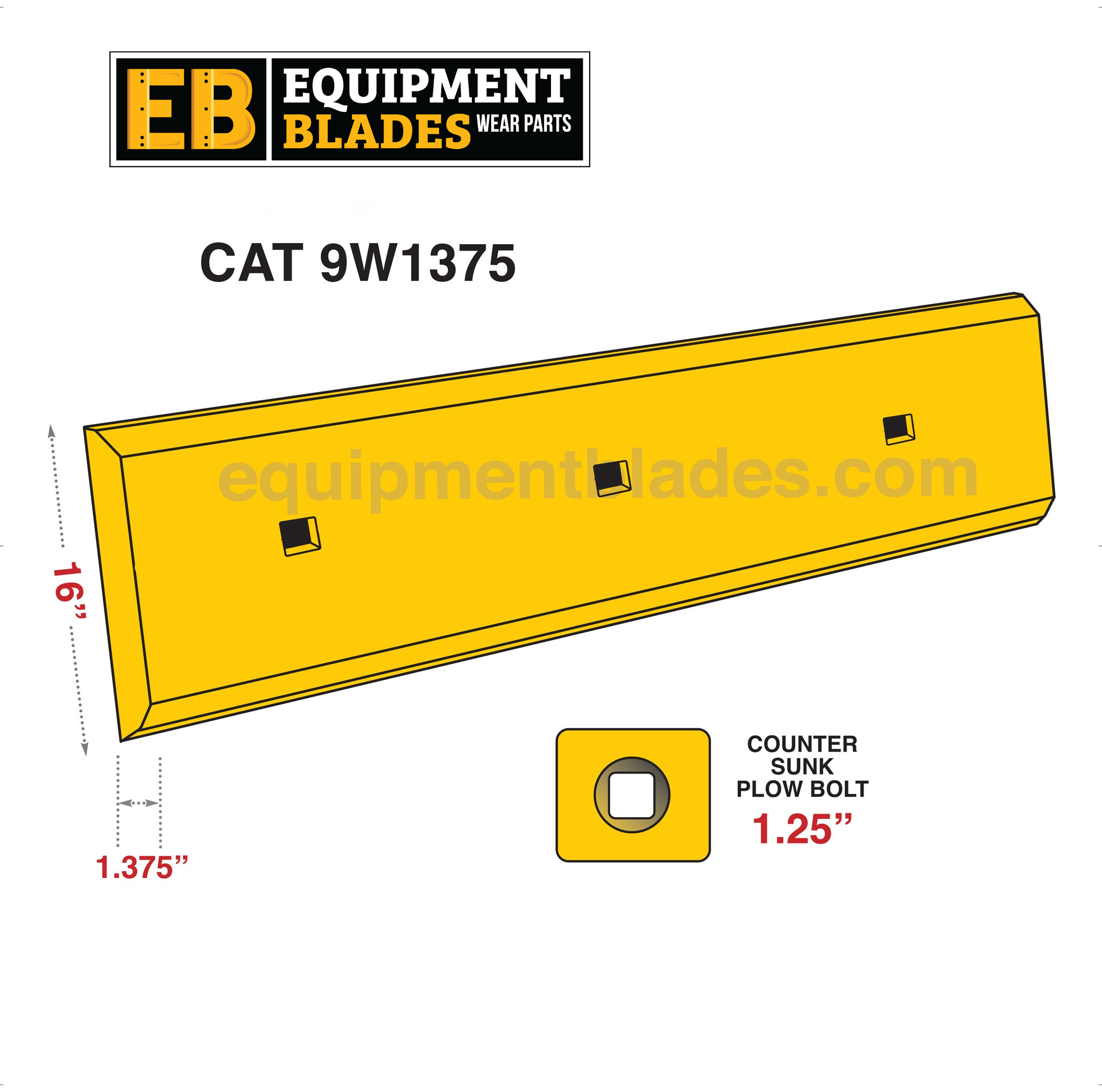
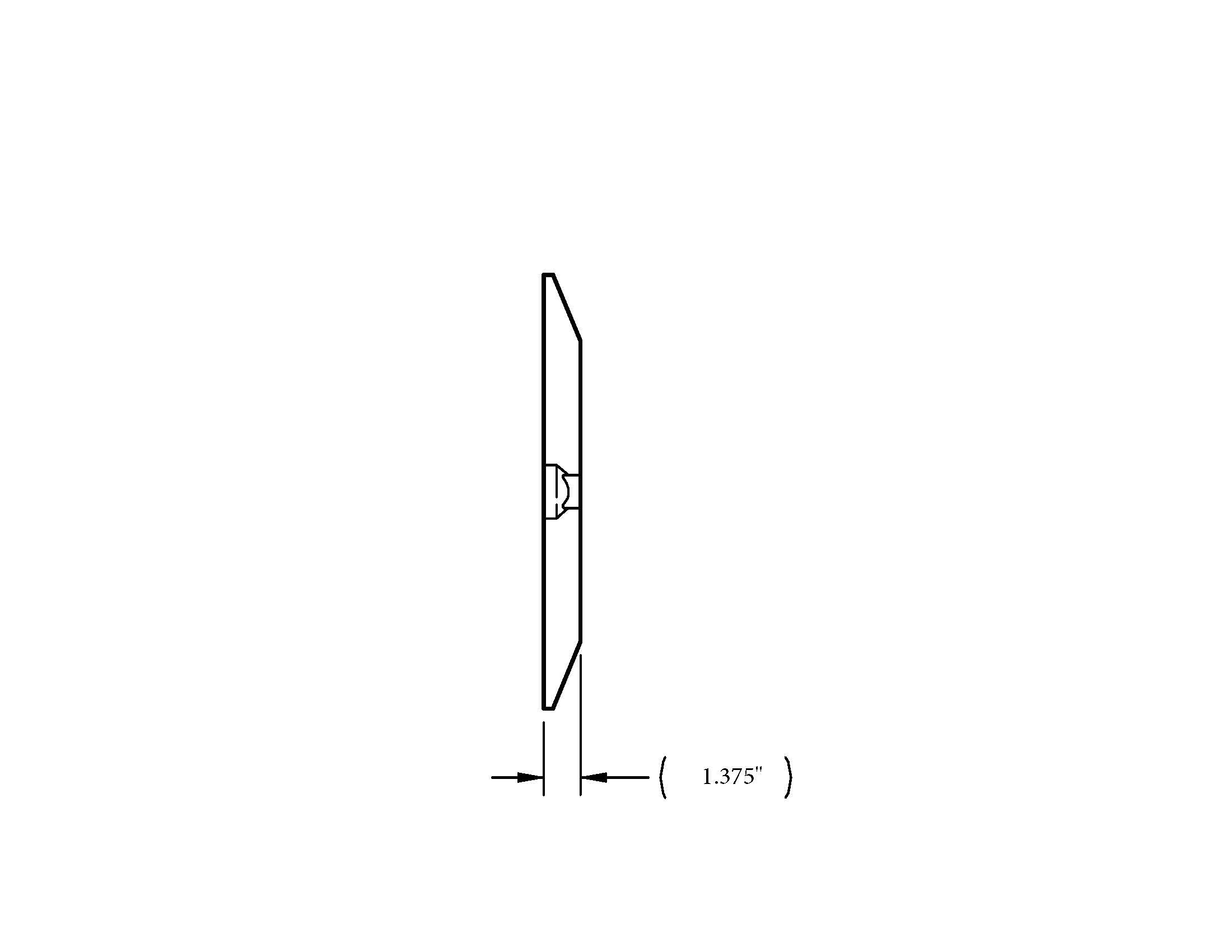
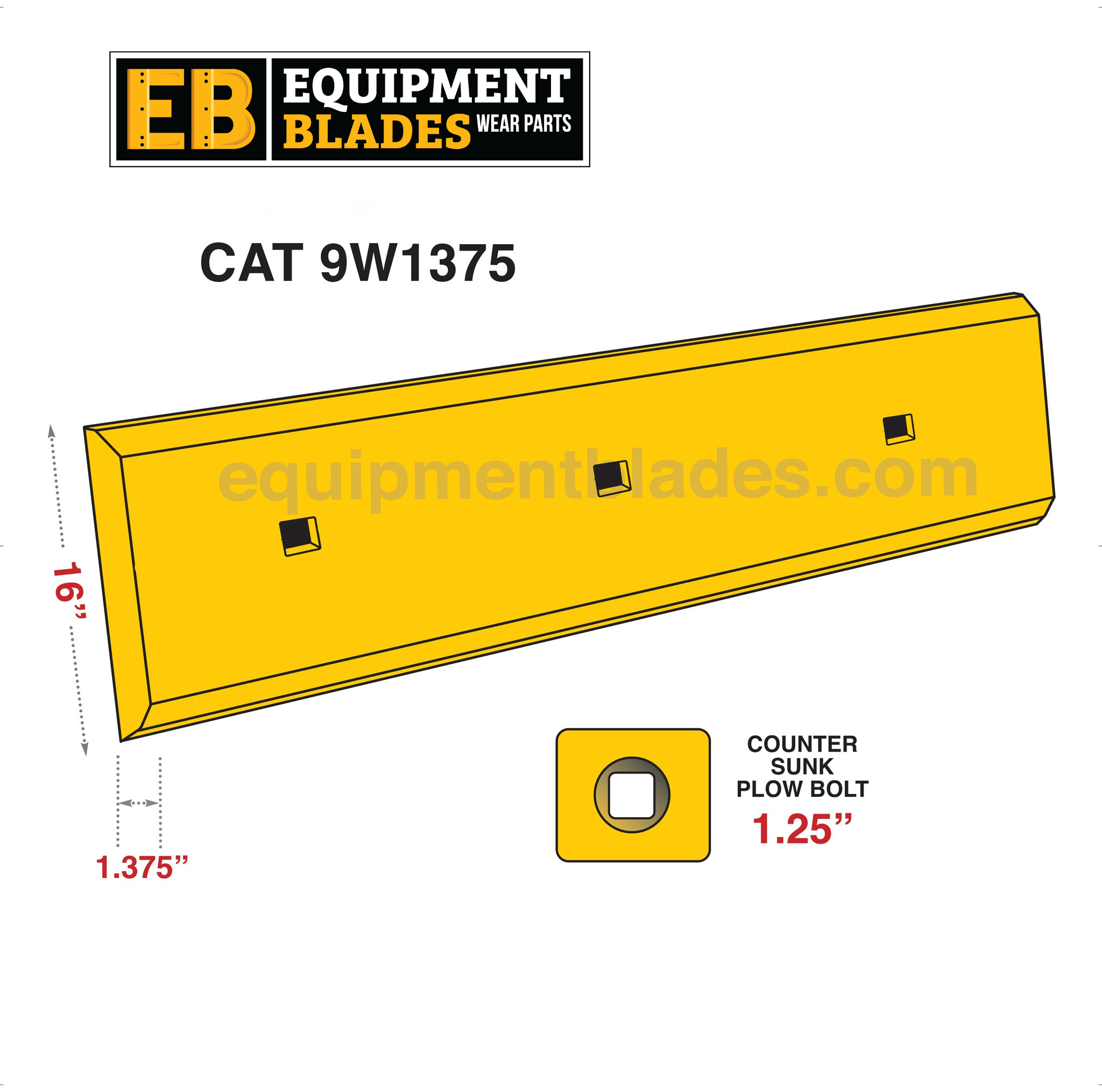
Part #: CAT 9W1375
Part #: CAT 9W1375
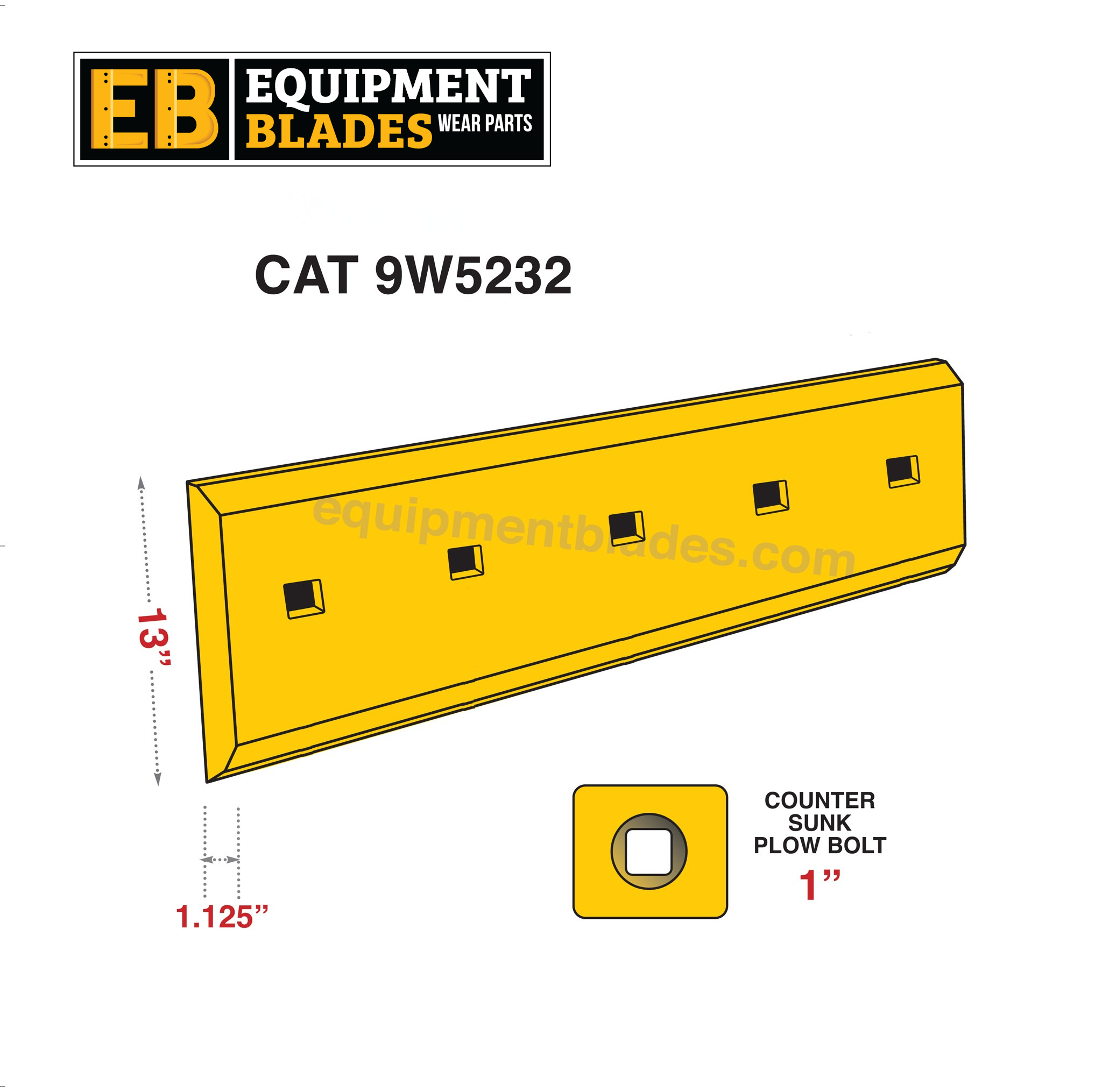
Part #: CAT 9W5232
Part #: CAT 9W5232
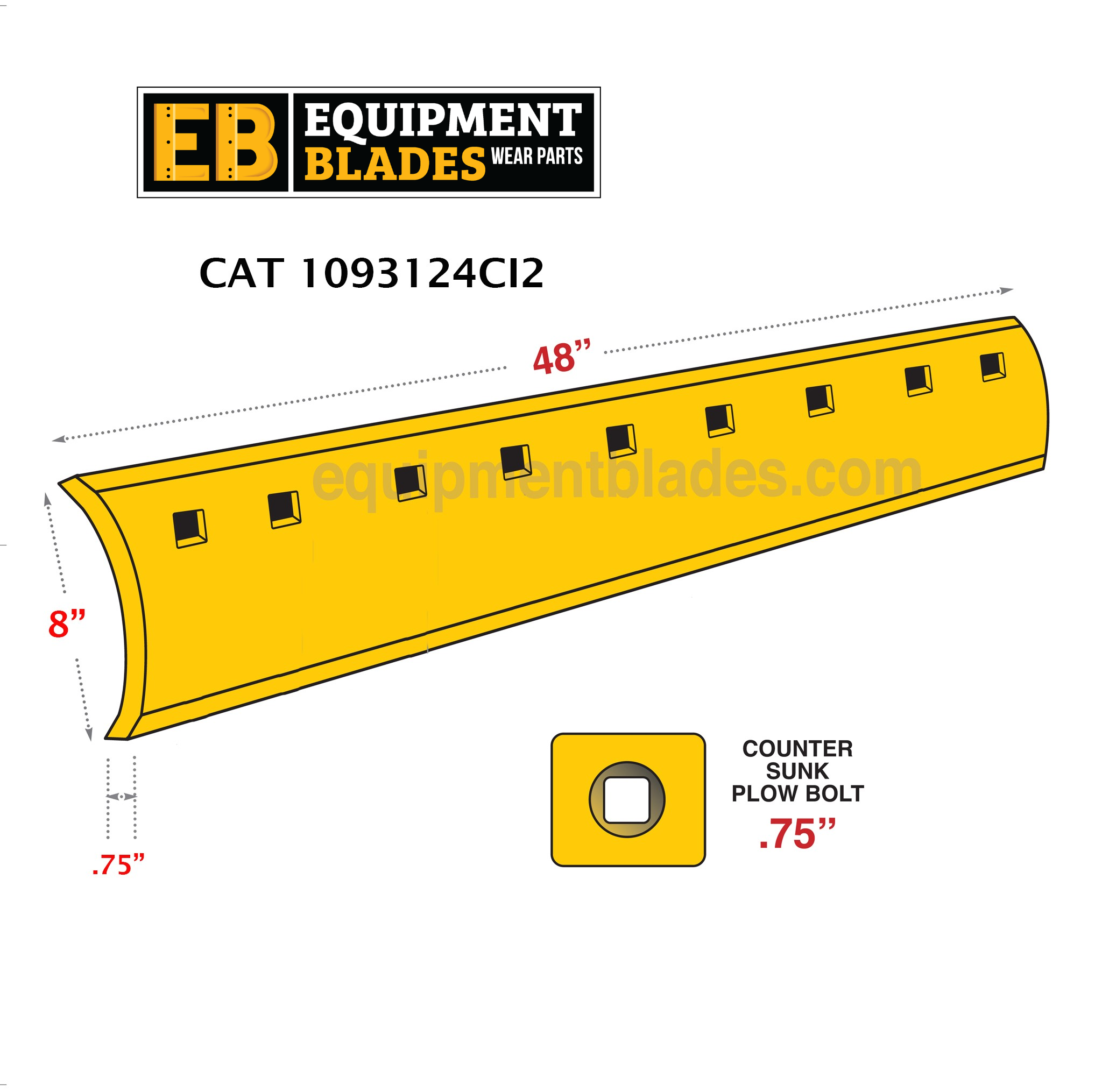
Part #: CAT 1093124CI2
Part #: CAT 1093124CI2
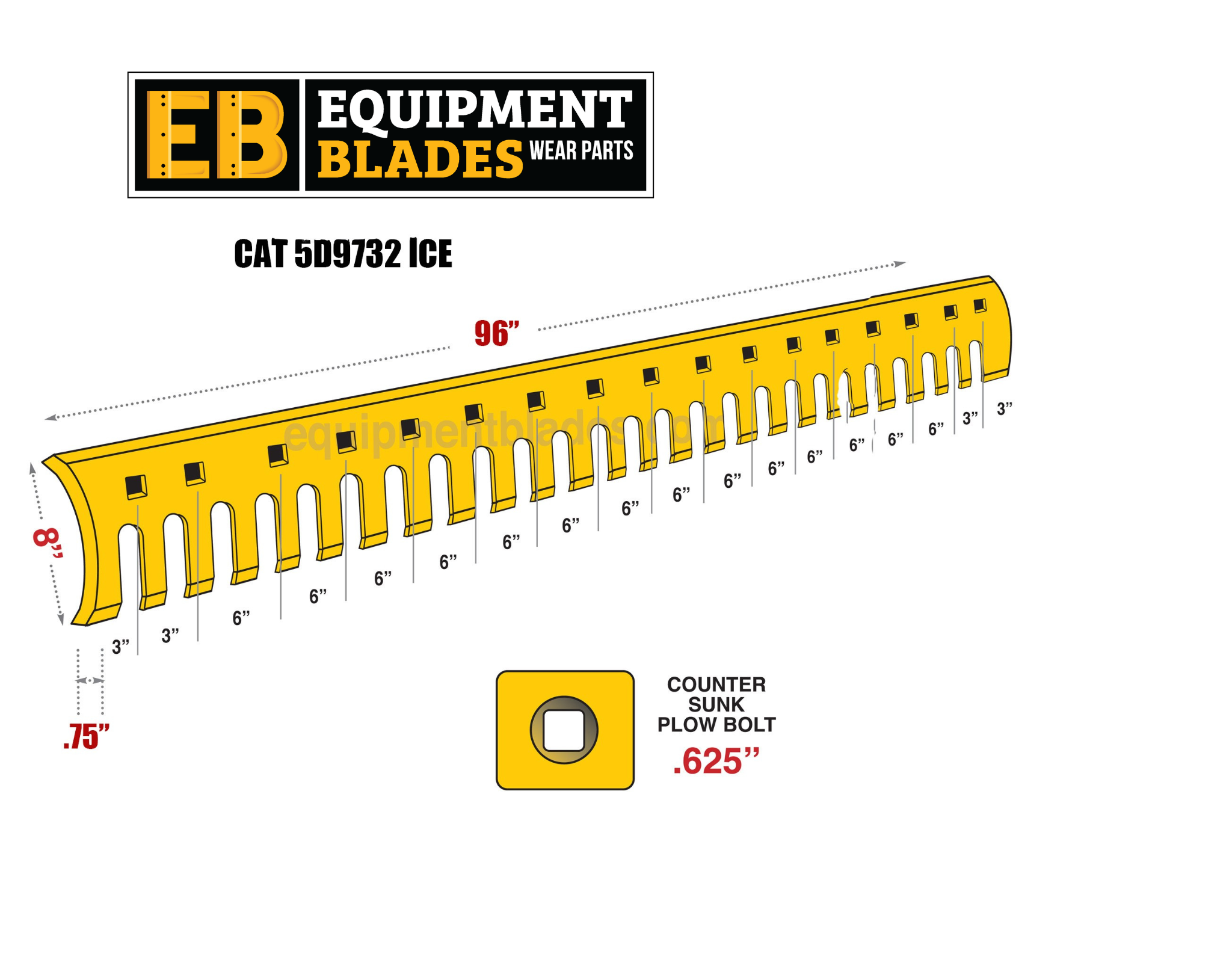
Part #:
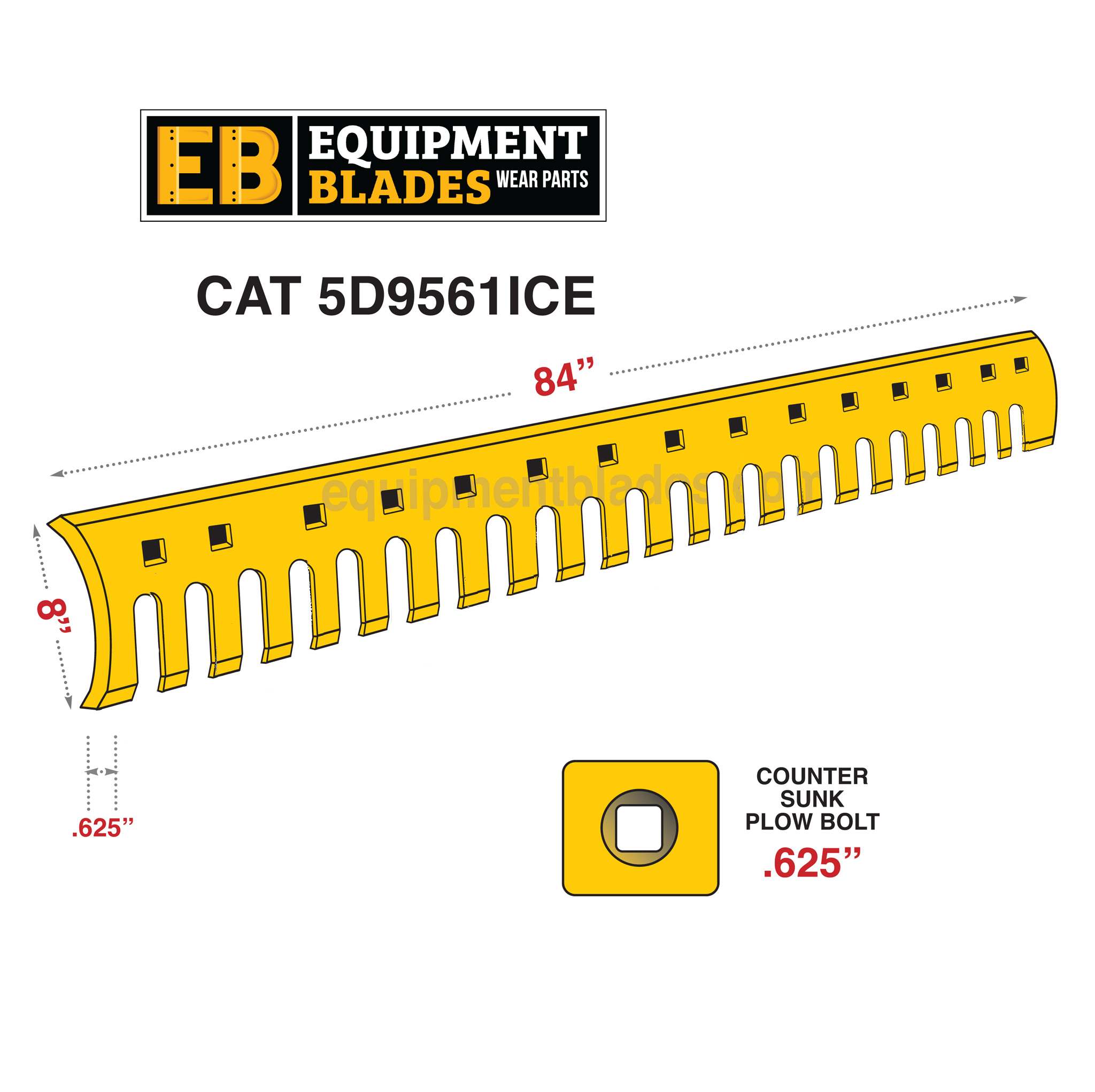
Part #: CAT 5D9561 ICE
Part #: CAT 5D9561 ICE
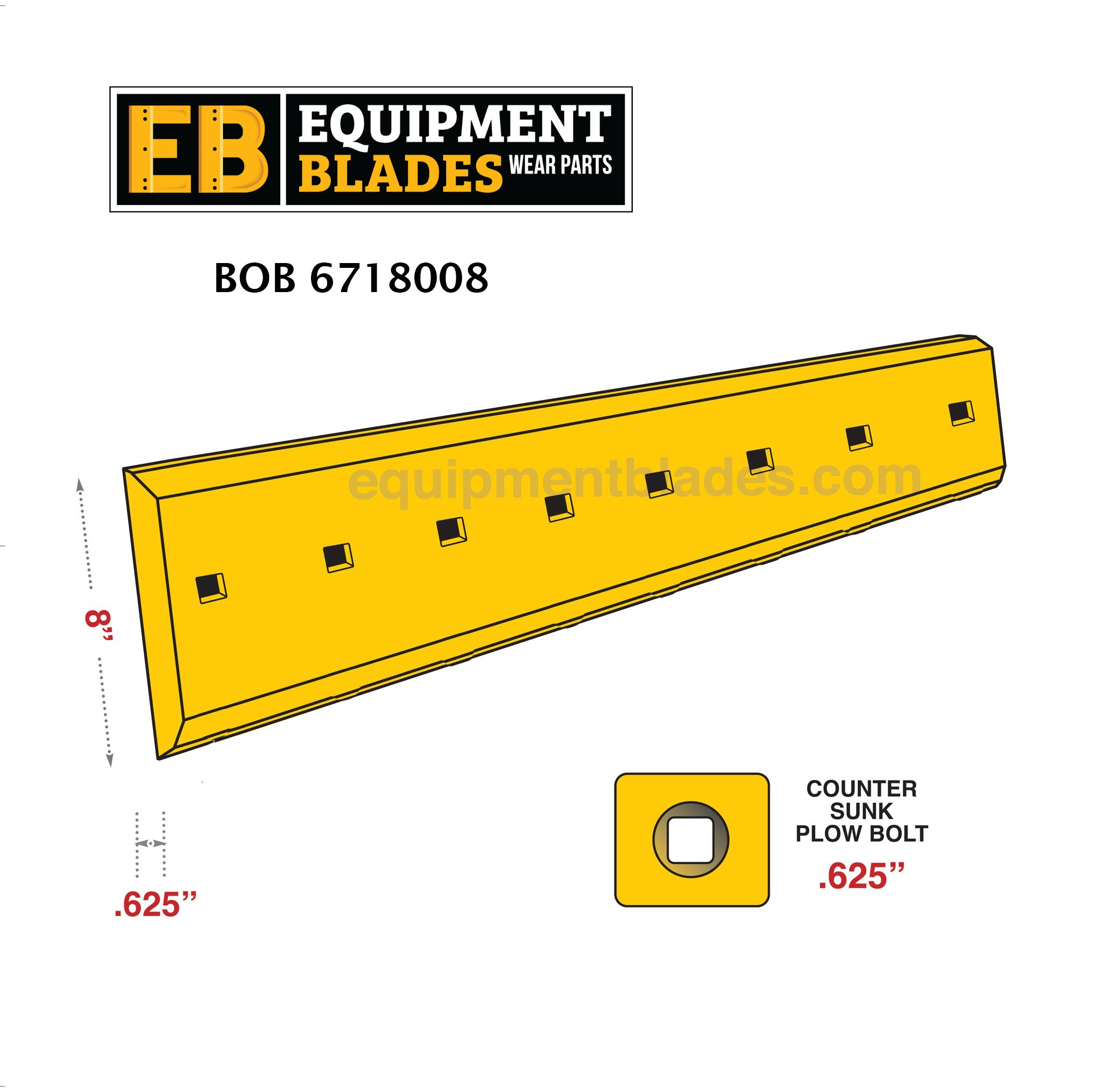
Part #:
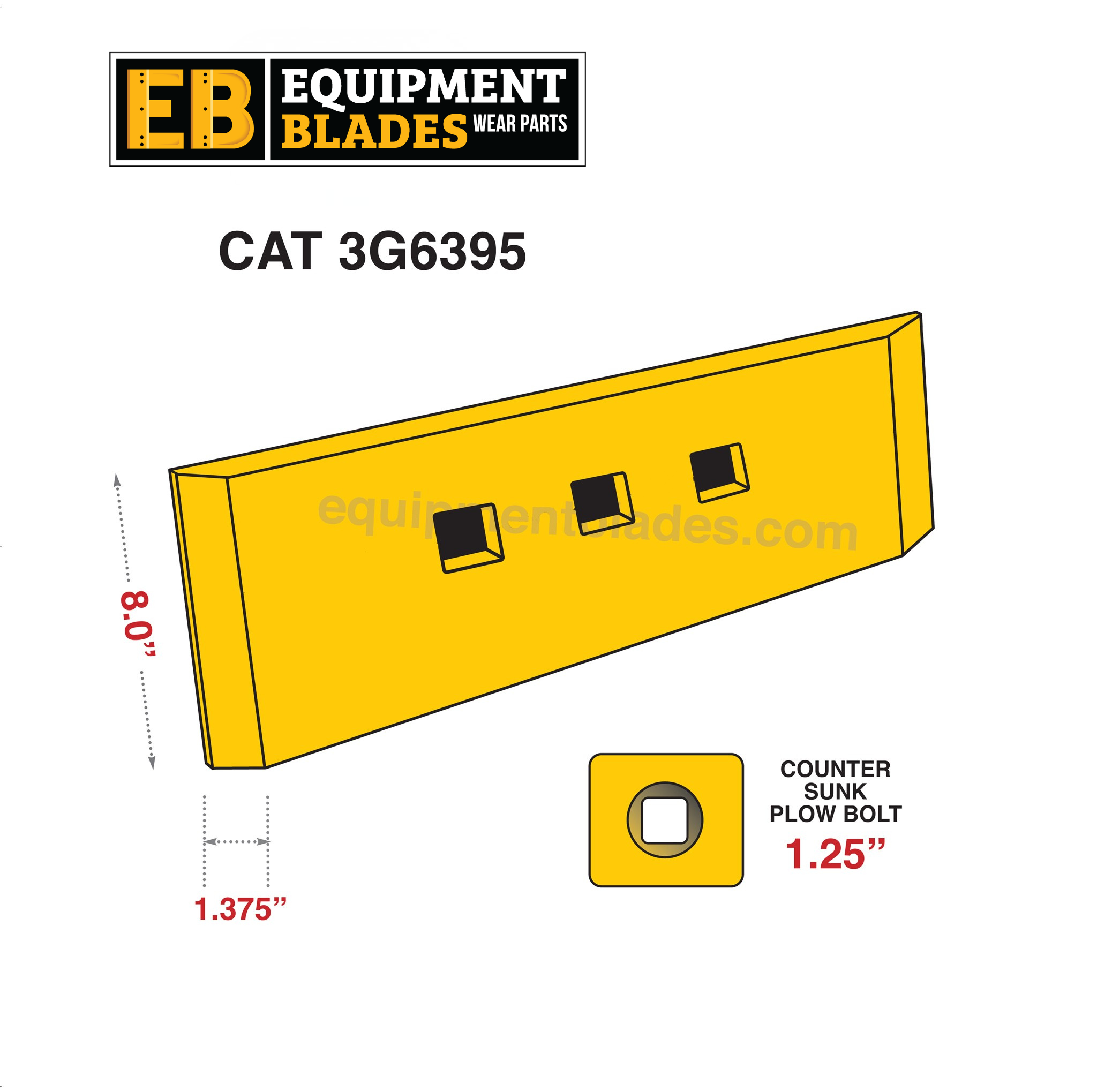
Part #: CAT 3G6395
Part #: CAT 3G6395
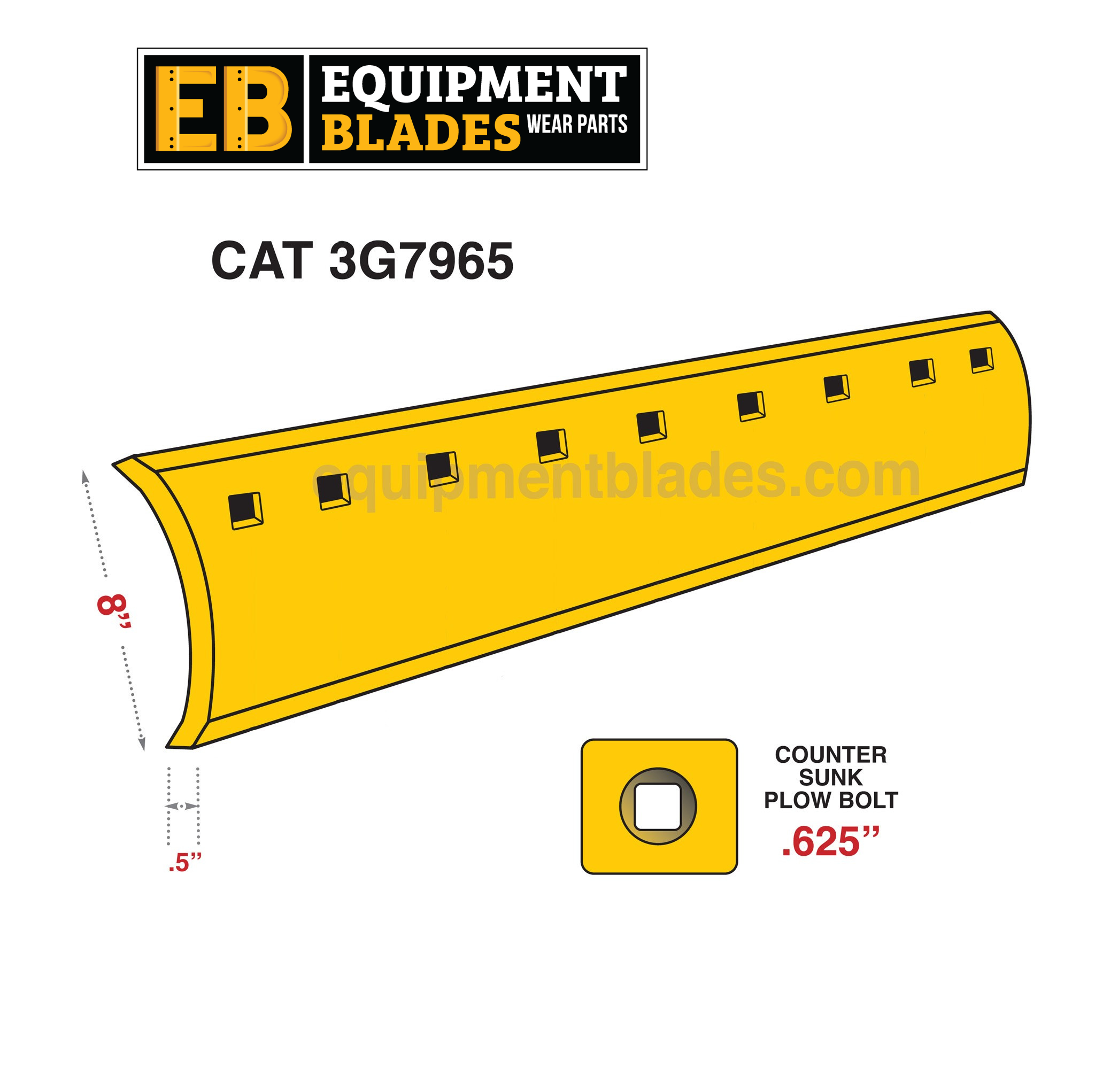
Part #: CAT 3G7965
Part #: CAT 3G7965


Part #: CAT 4T2884
Part #: CAT 4T2884
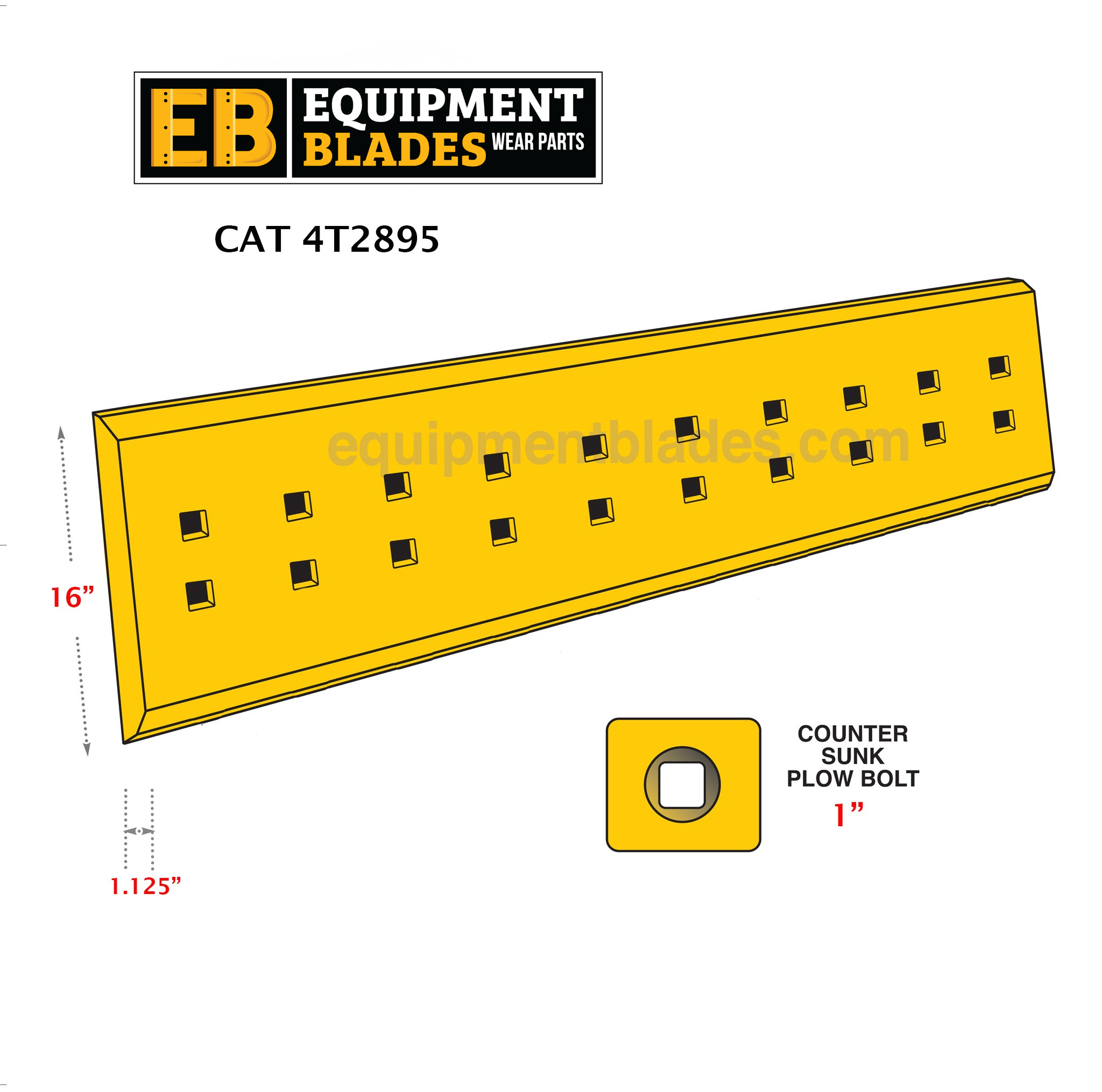
Part #: CAT 4T2895
Part #: CAT 4T2895


Part #: CAT 4T2887
Part #: CAT 4T2887
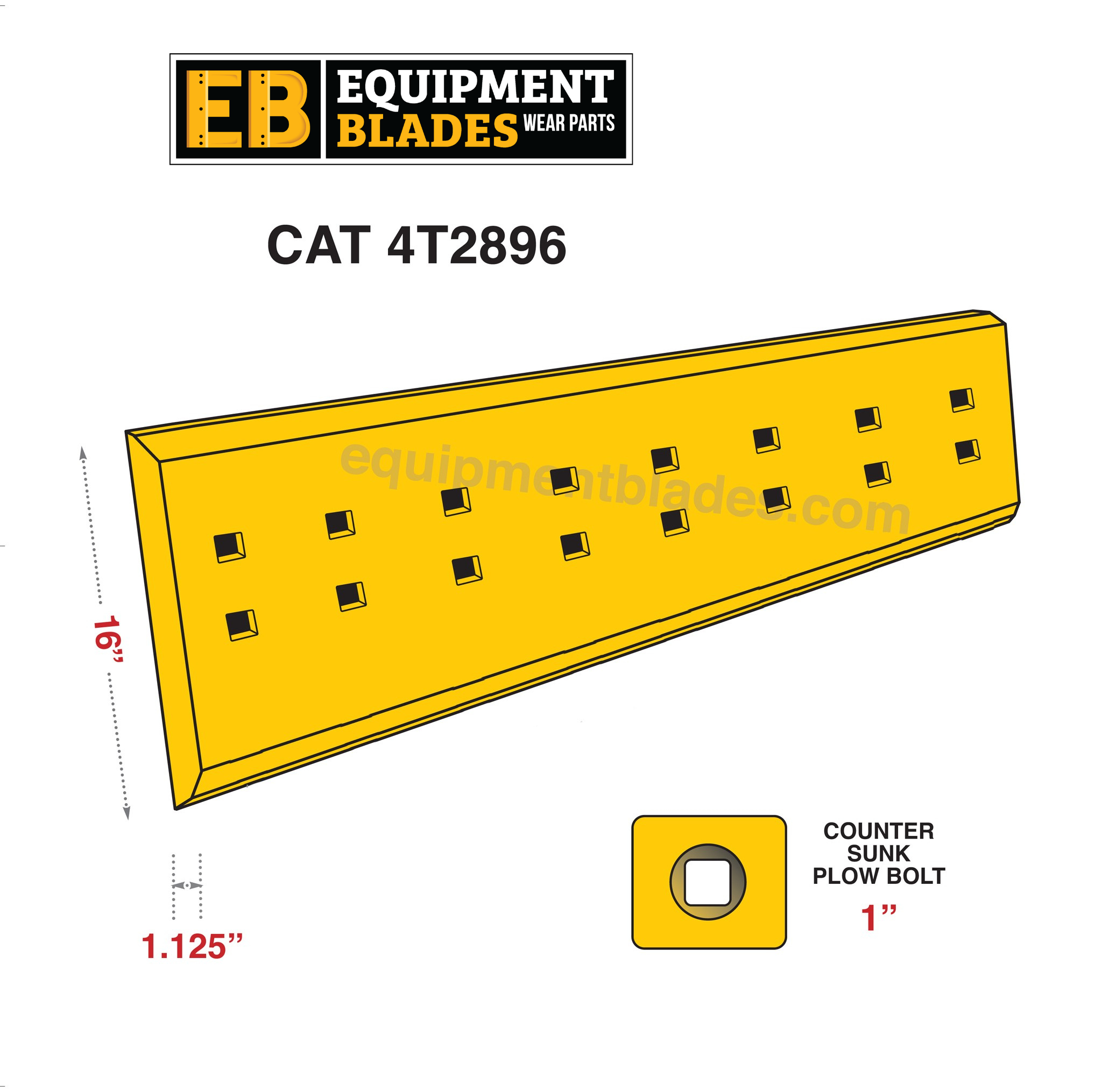
Part #: CAT 4T2896
Part #: CAT 4T2896
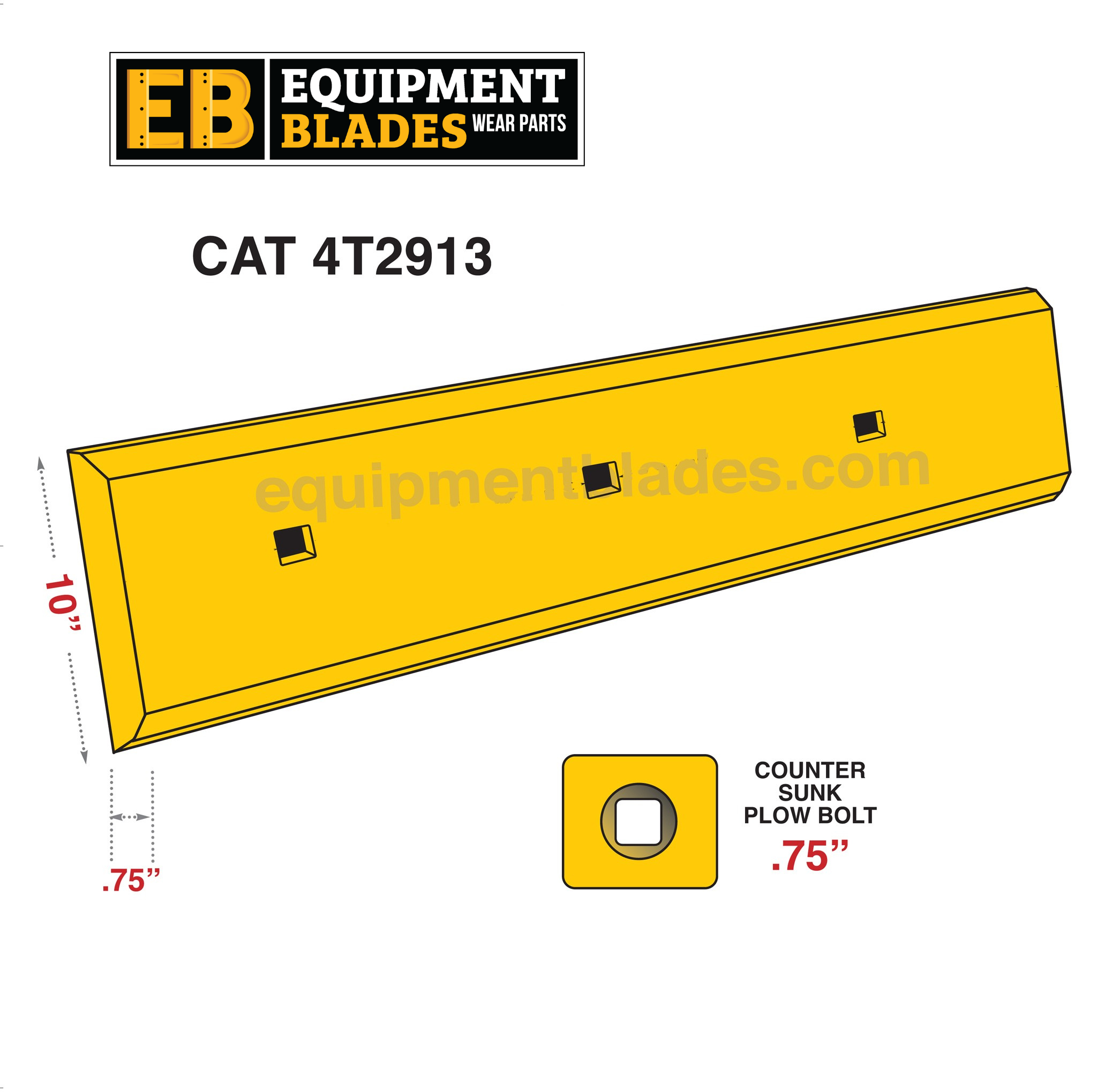
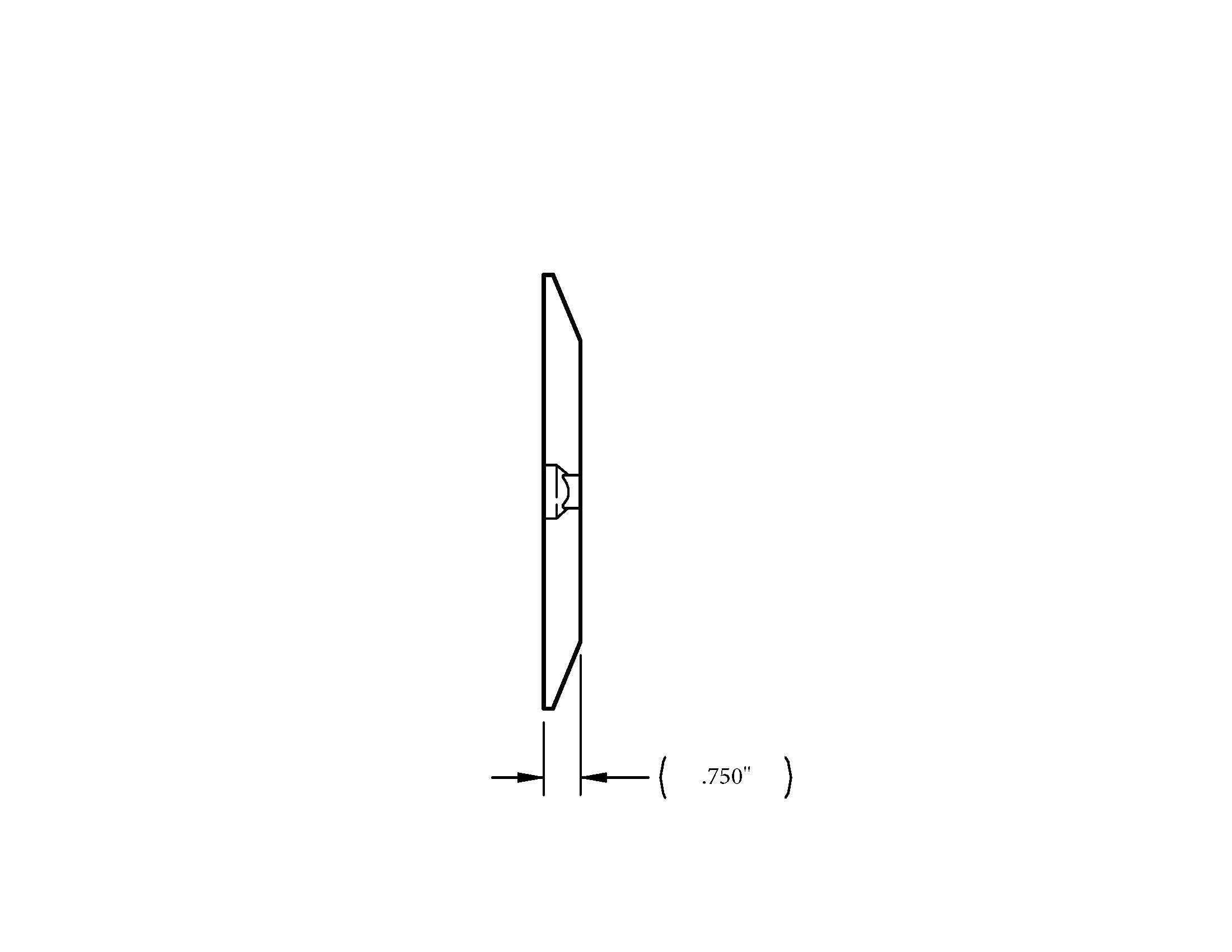
Part #: CAT 4T2913
Part #: CAT 4T2913
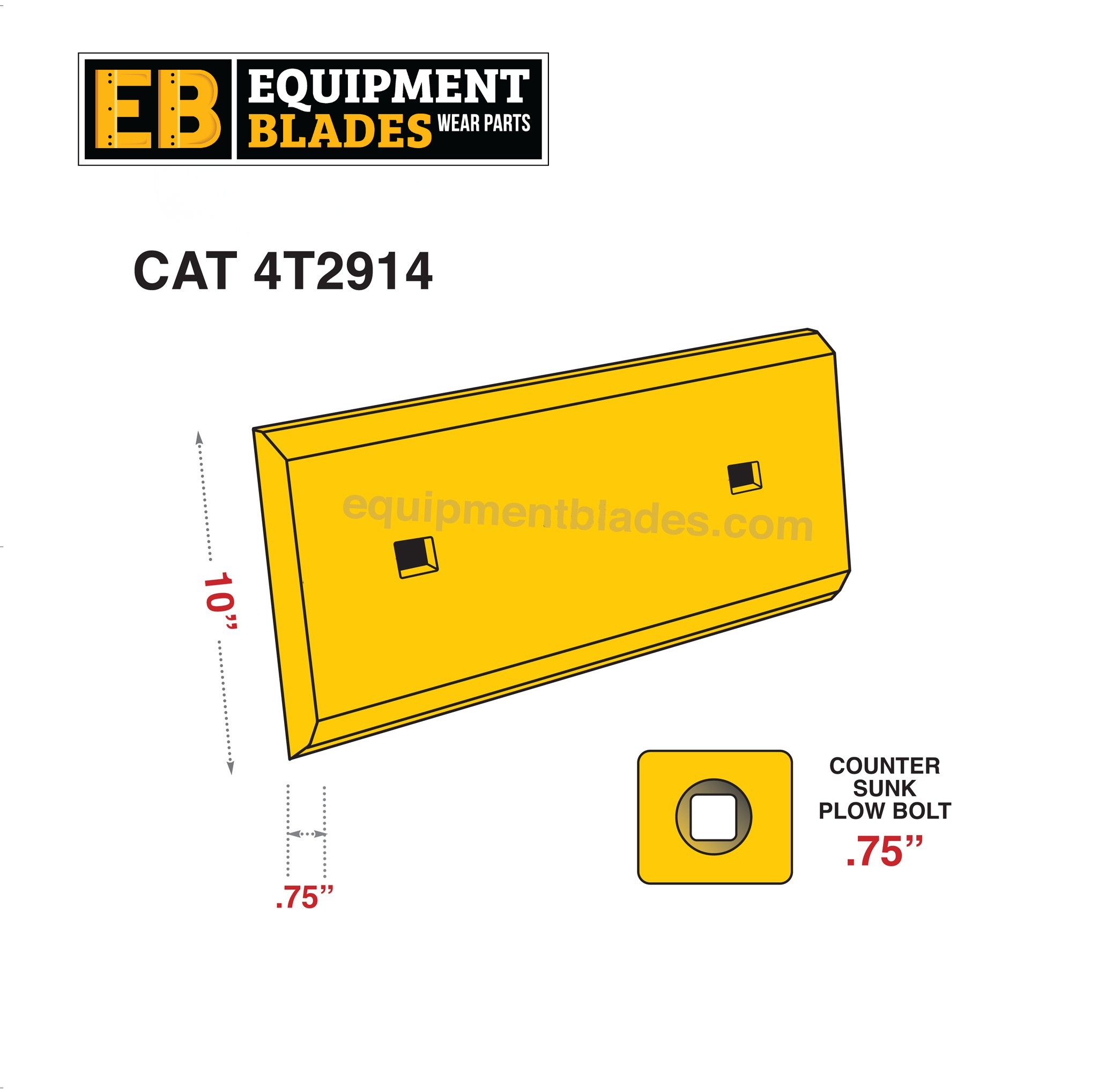
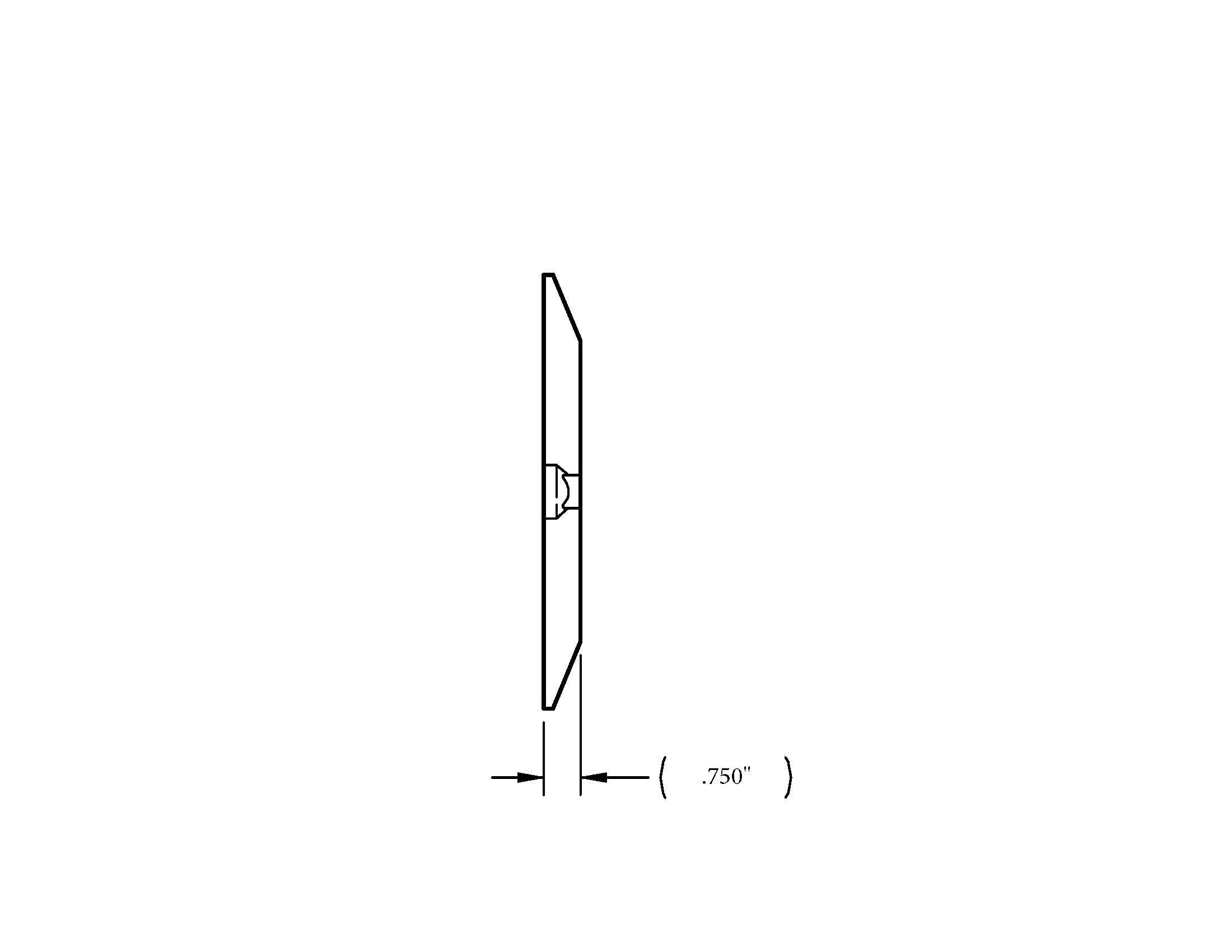
Part #: CAT 4T2914
Part #: CAT 4T2914
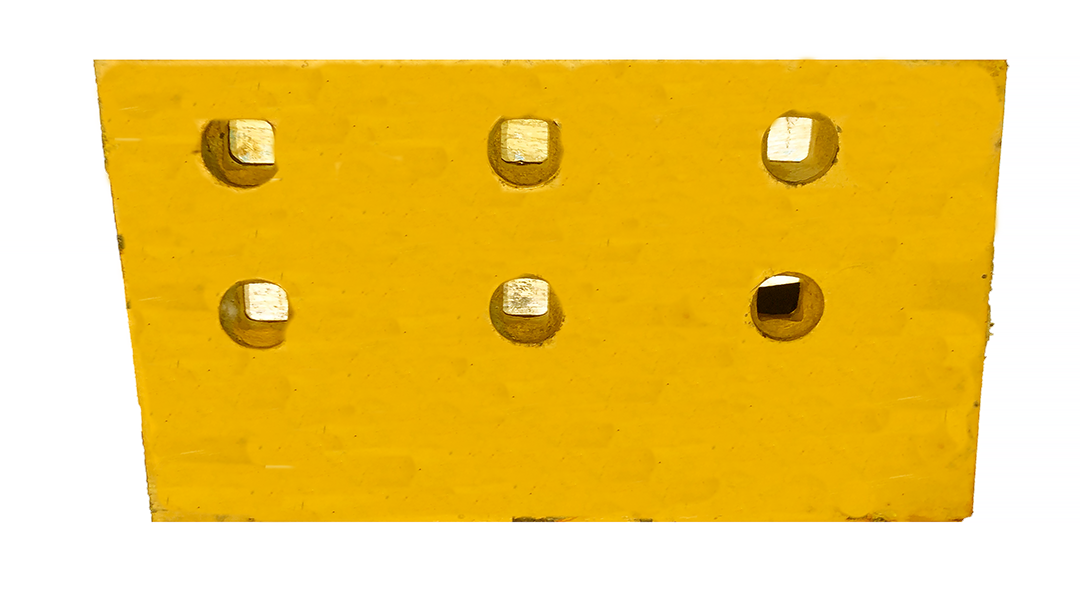
Part #: CAT 4T3052
Part #: CAT 4T3052

Part #: CAT 4T2922
Part #: CAT 4T2922
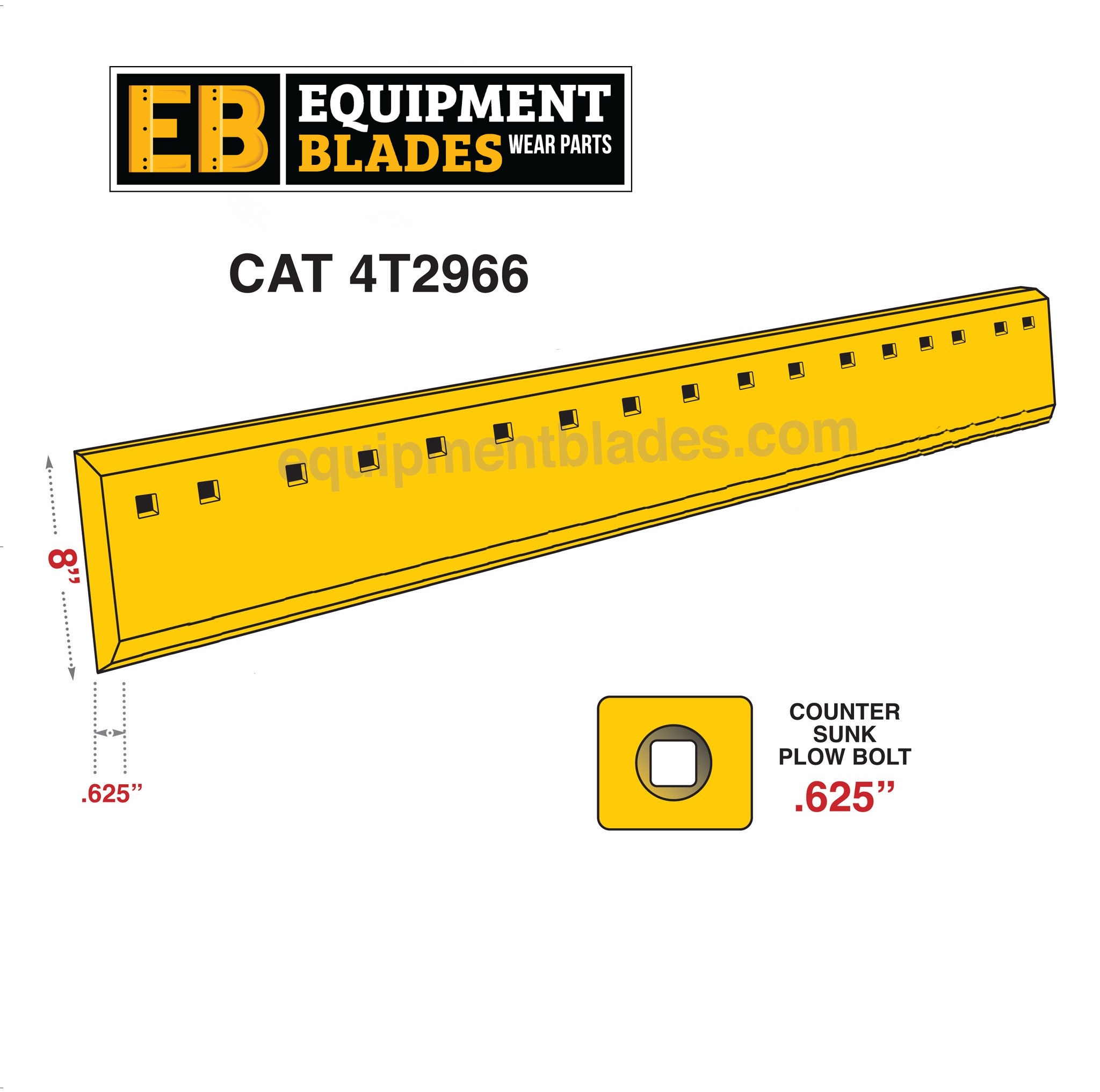
Part #: CAT 4T2966
Part #: CAT 4T2966
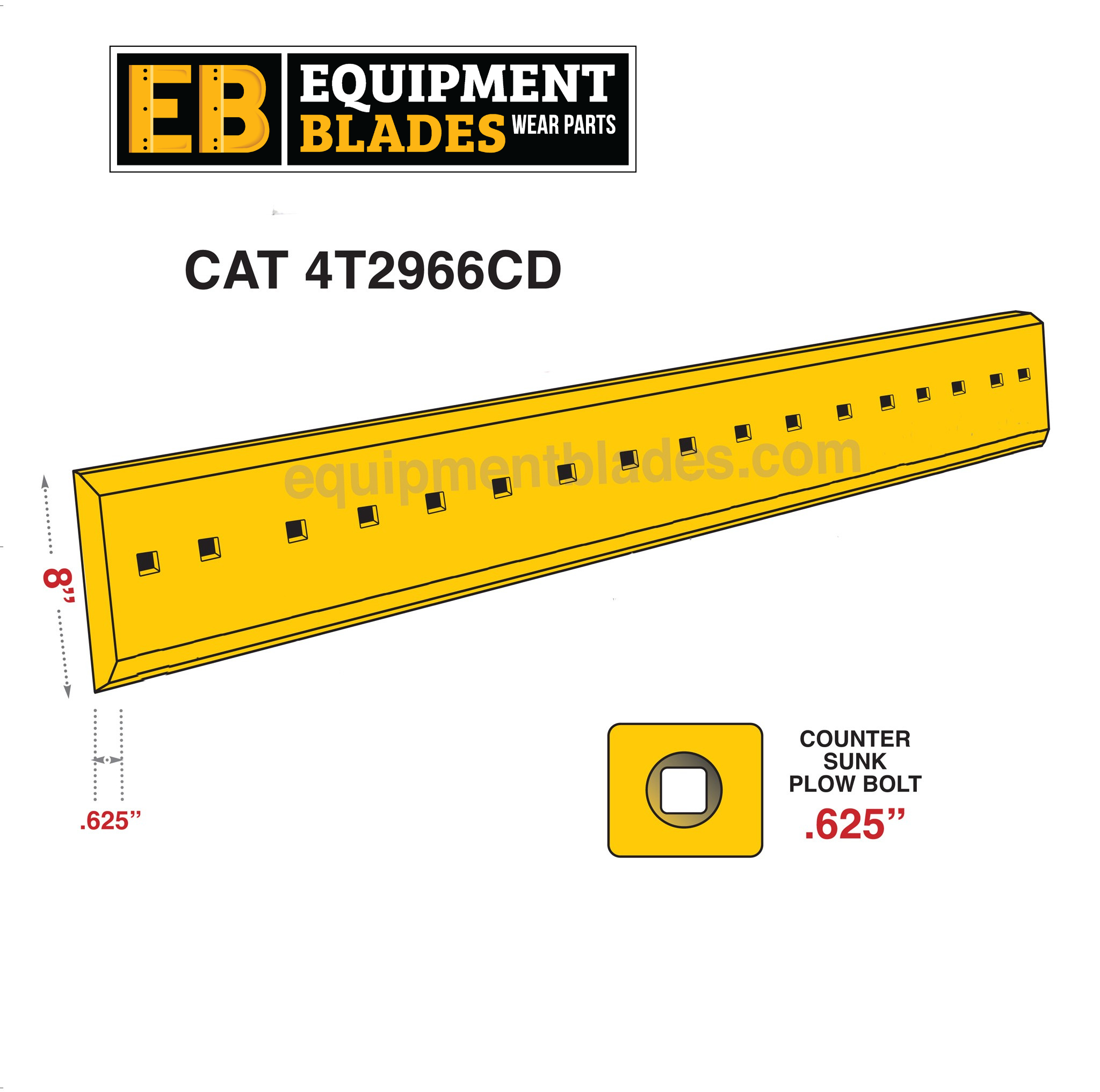
Part #: CAT 4T2966CD
Part #: CAT 4T2966CD
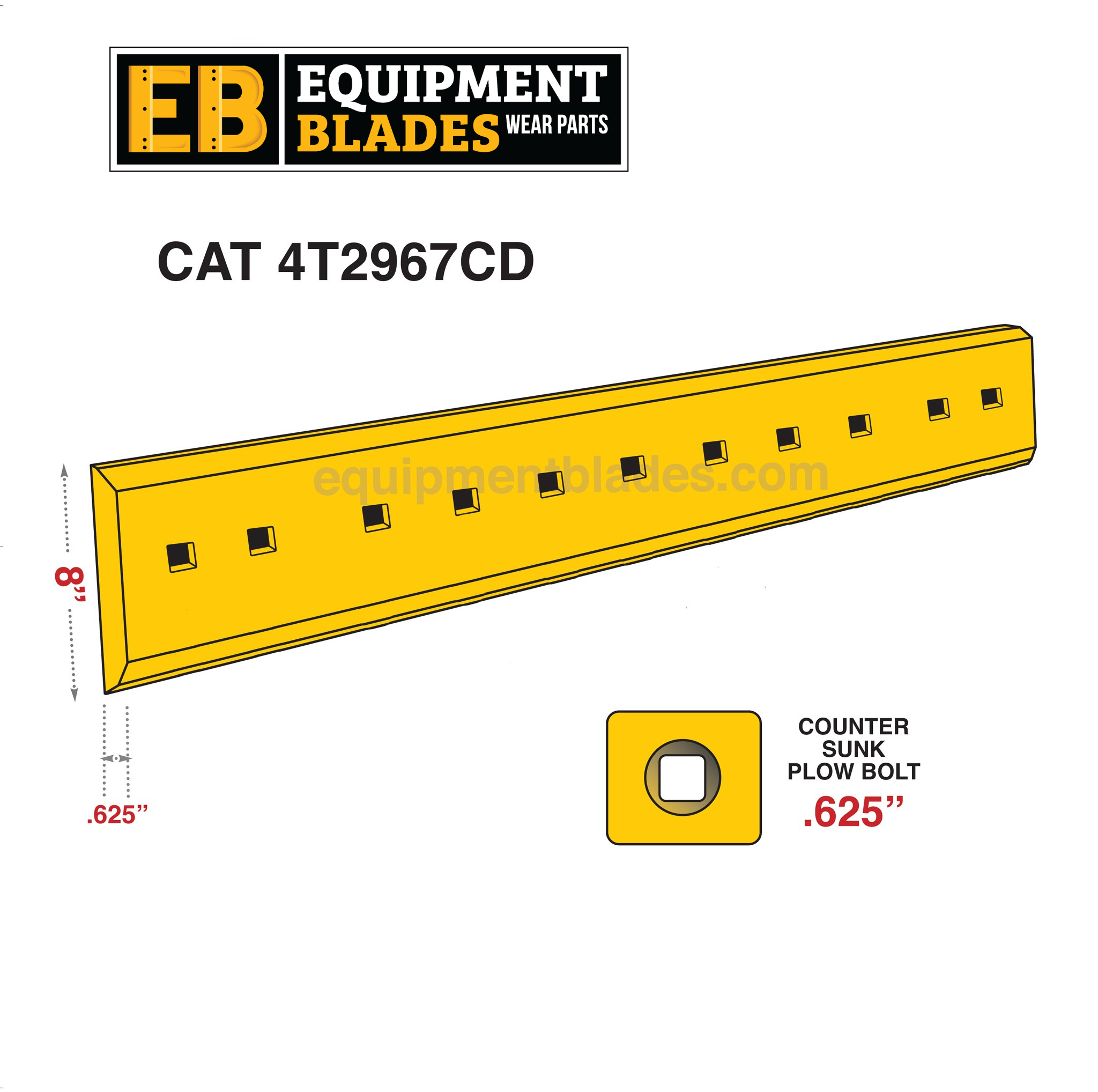
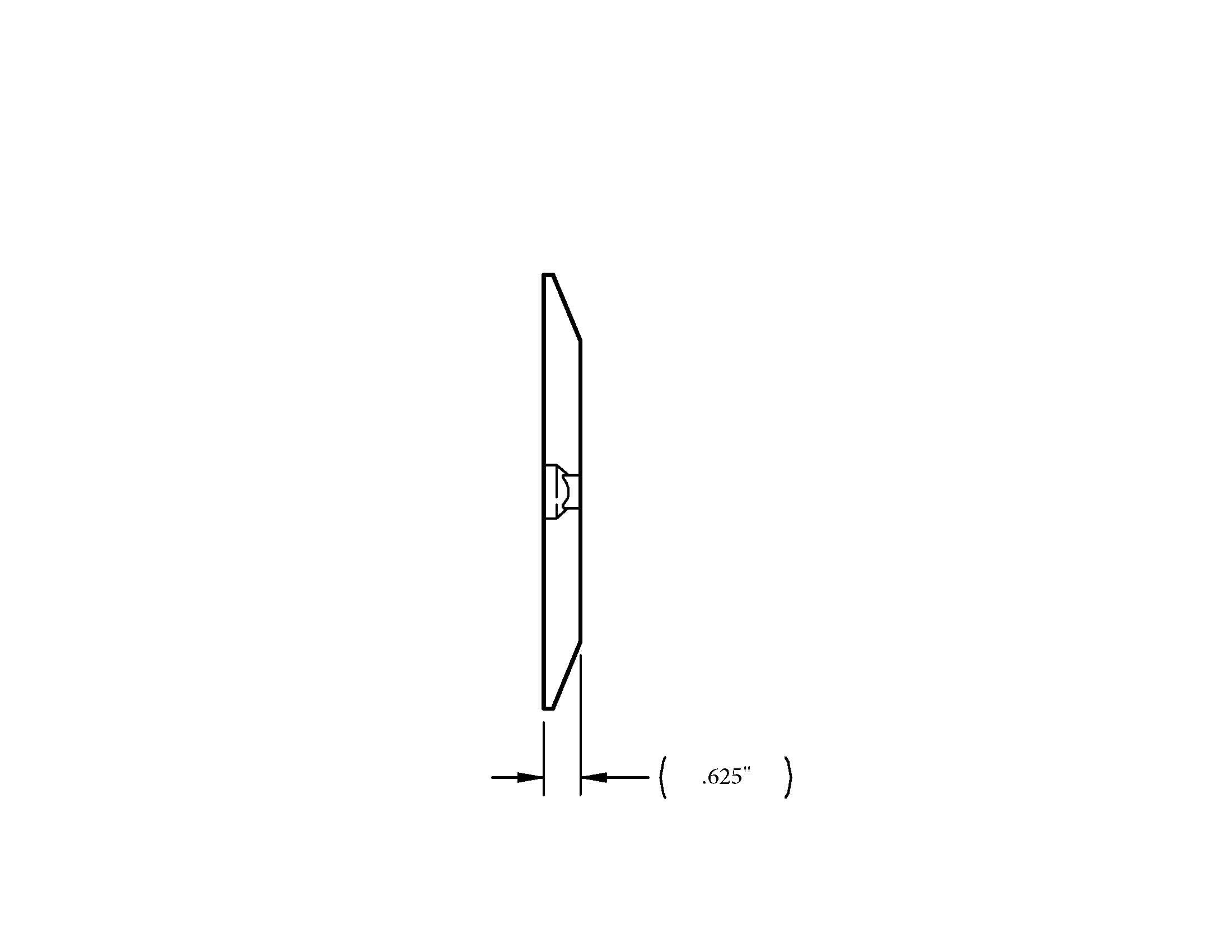
Part #: CAT 4T2967CD
Part #: CAT 4T2967CD
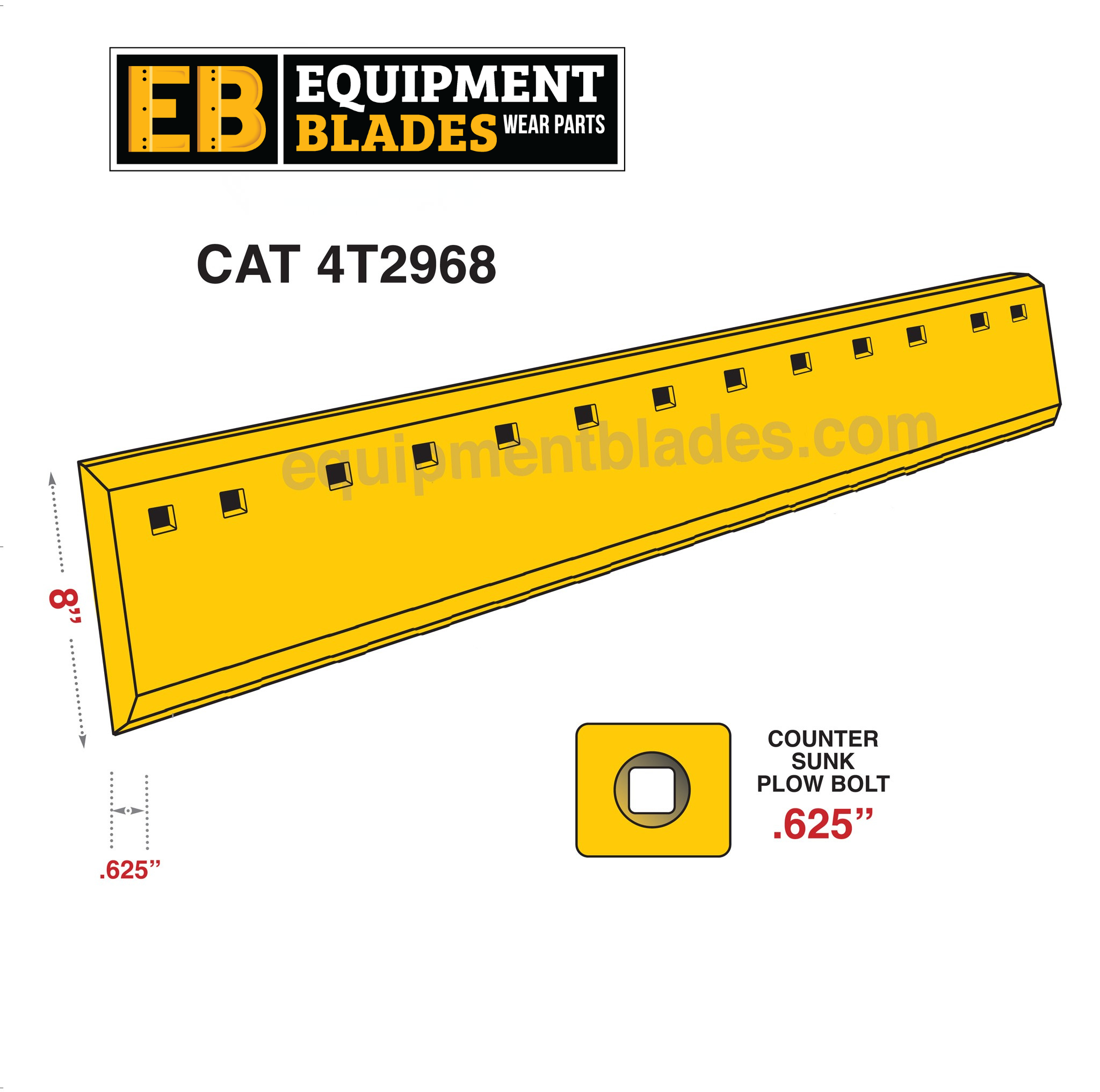
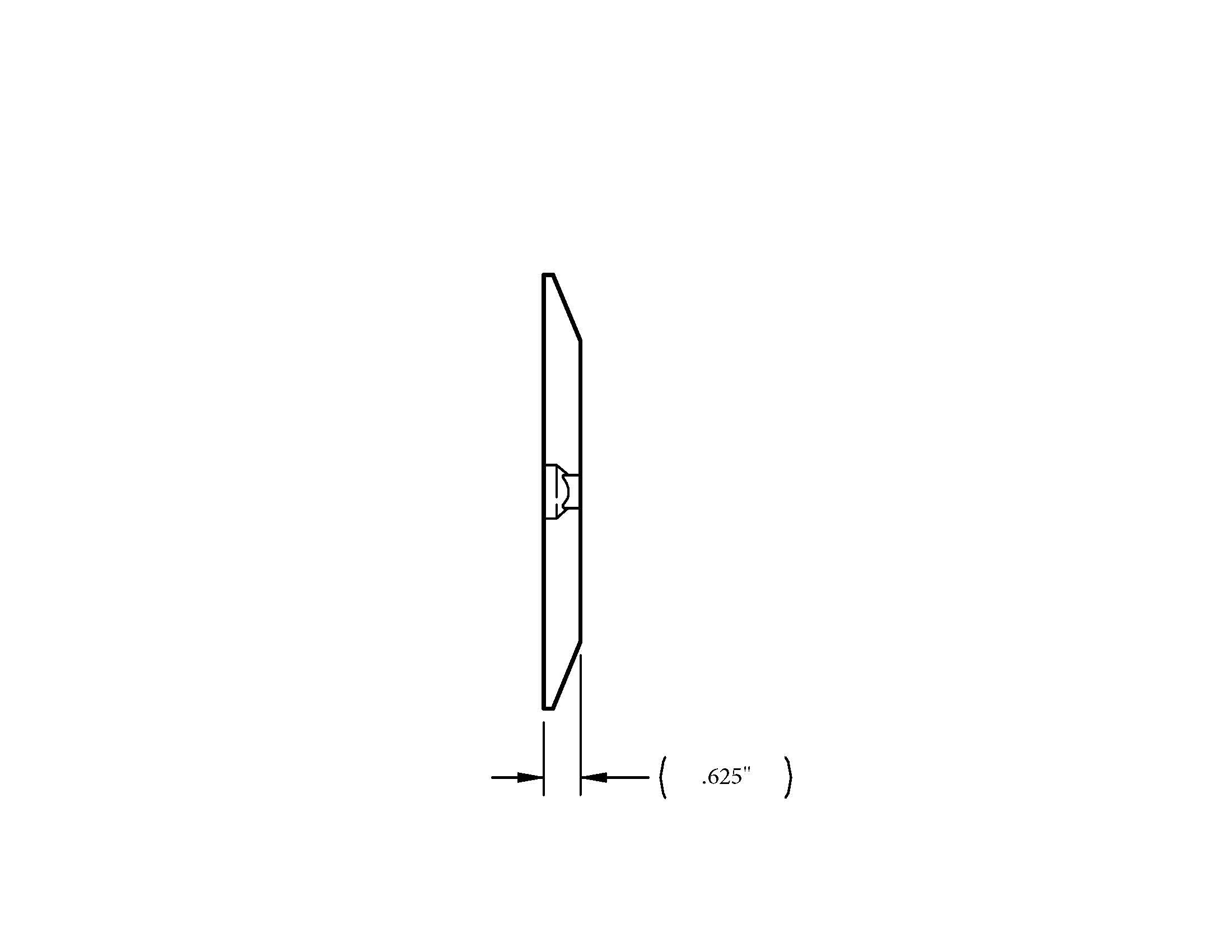
Part #: CAT 4T2968
Part #: CAT 4T2968
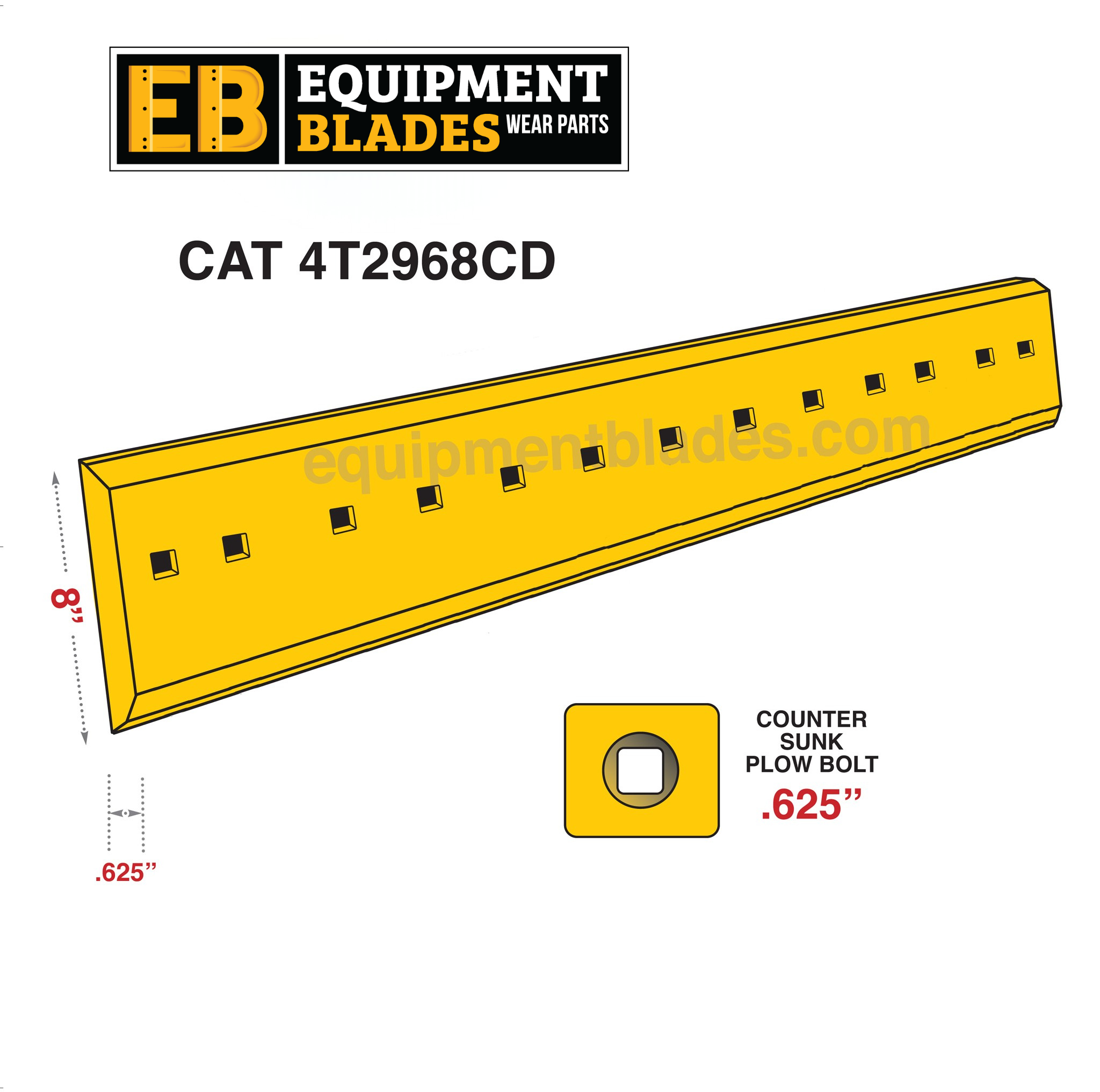
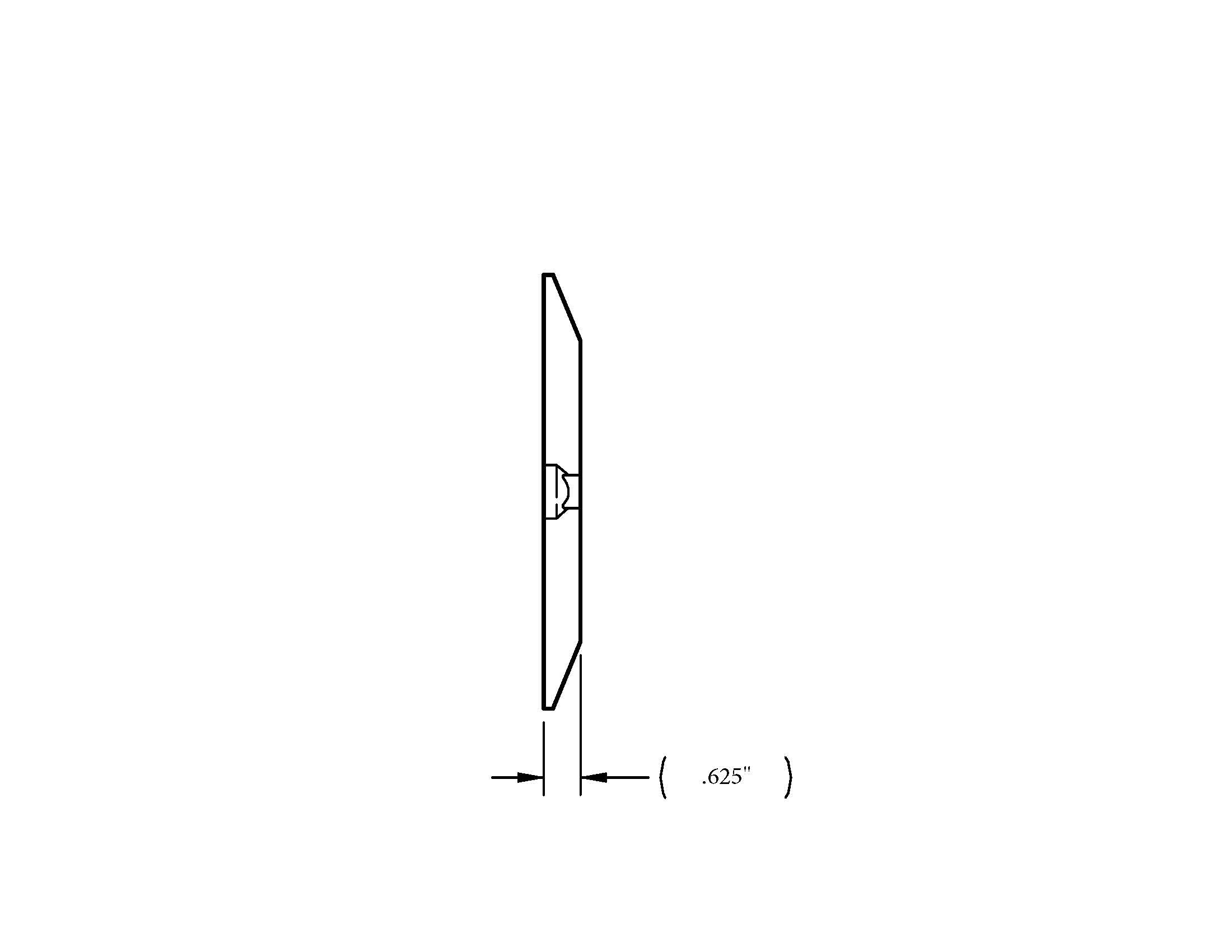
Part #: CAT 4T2968CD
Part #: CAT 4T2968CD
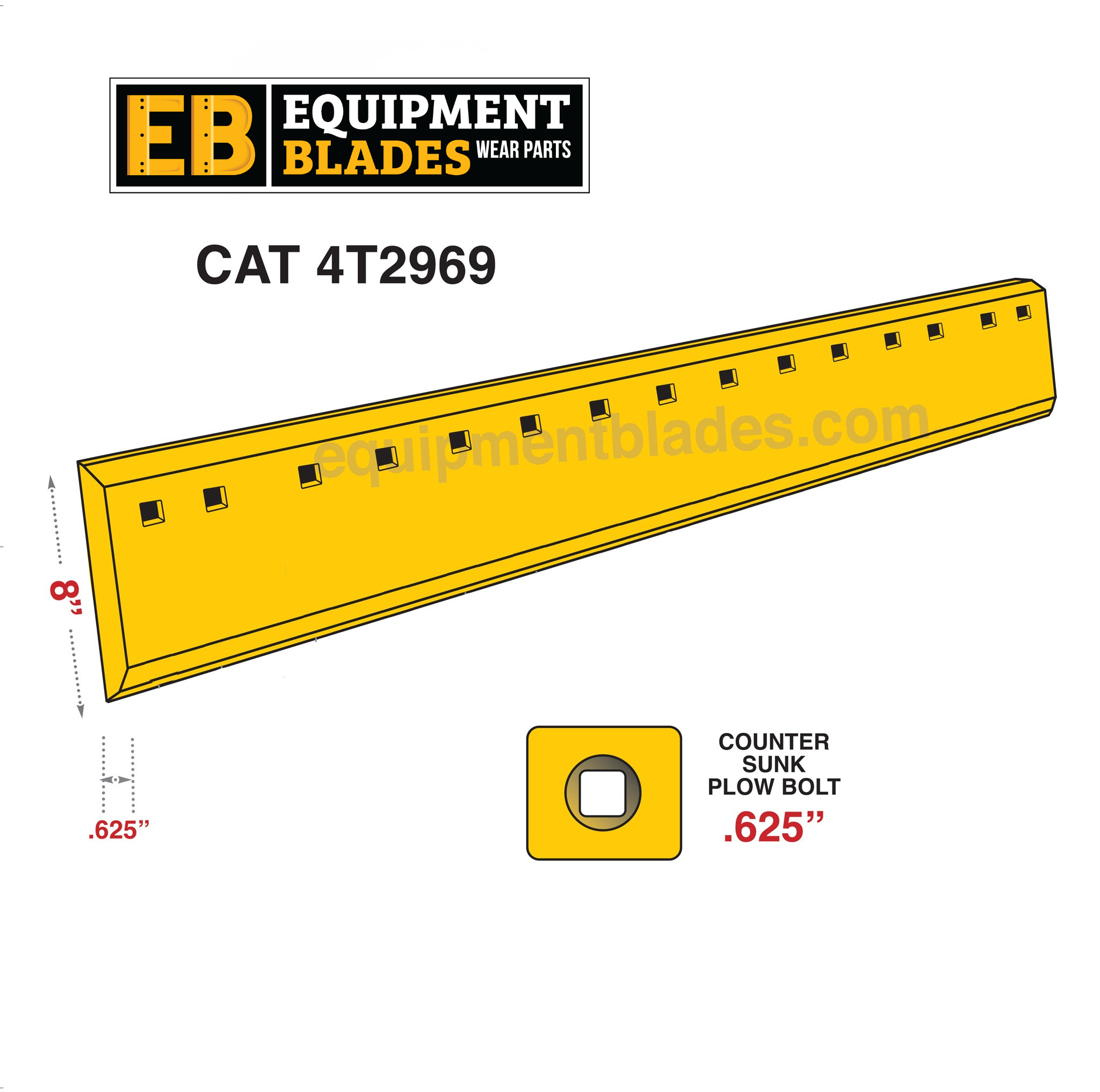
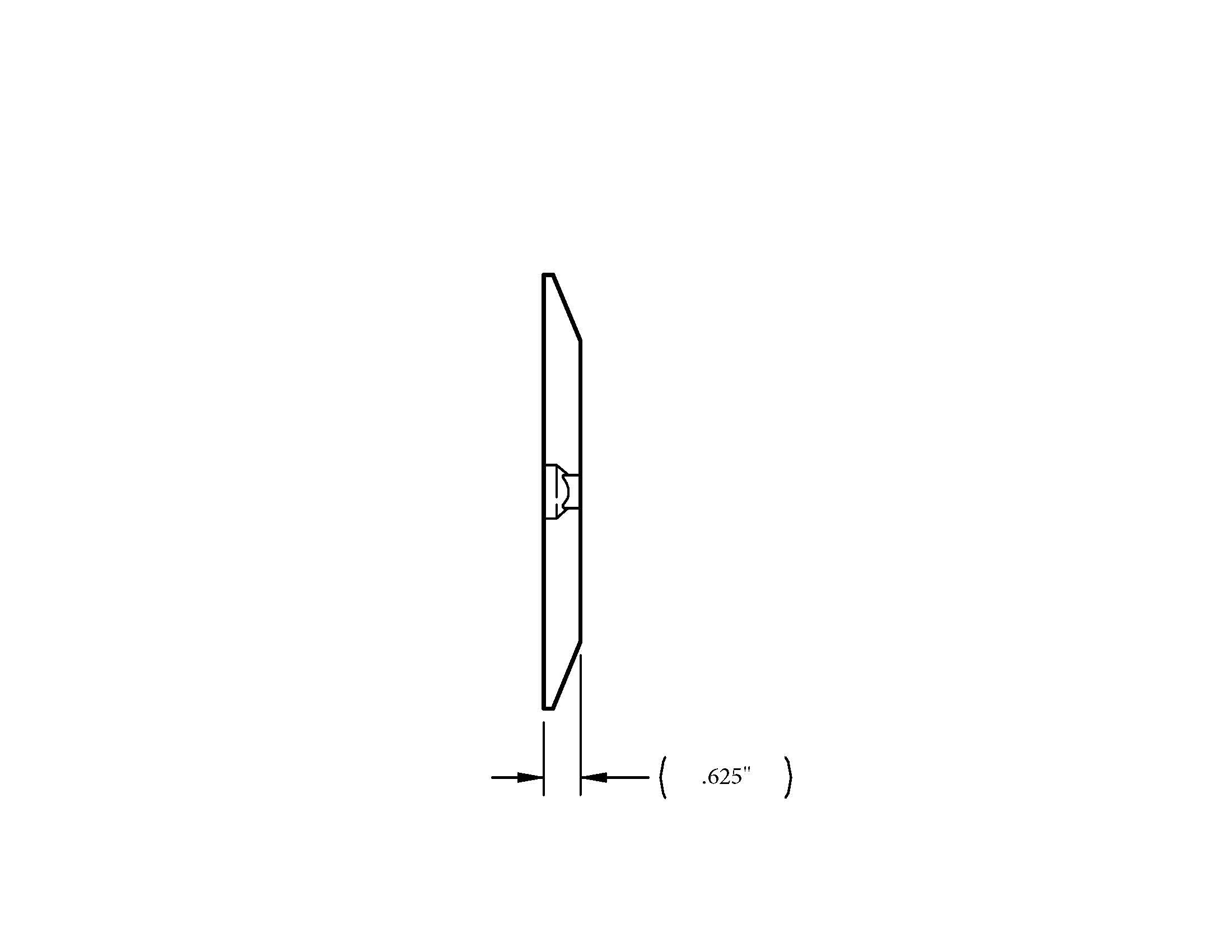
Part #: CAT 4T2969
Part #: CAT 4T2969
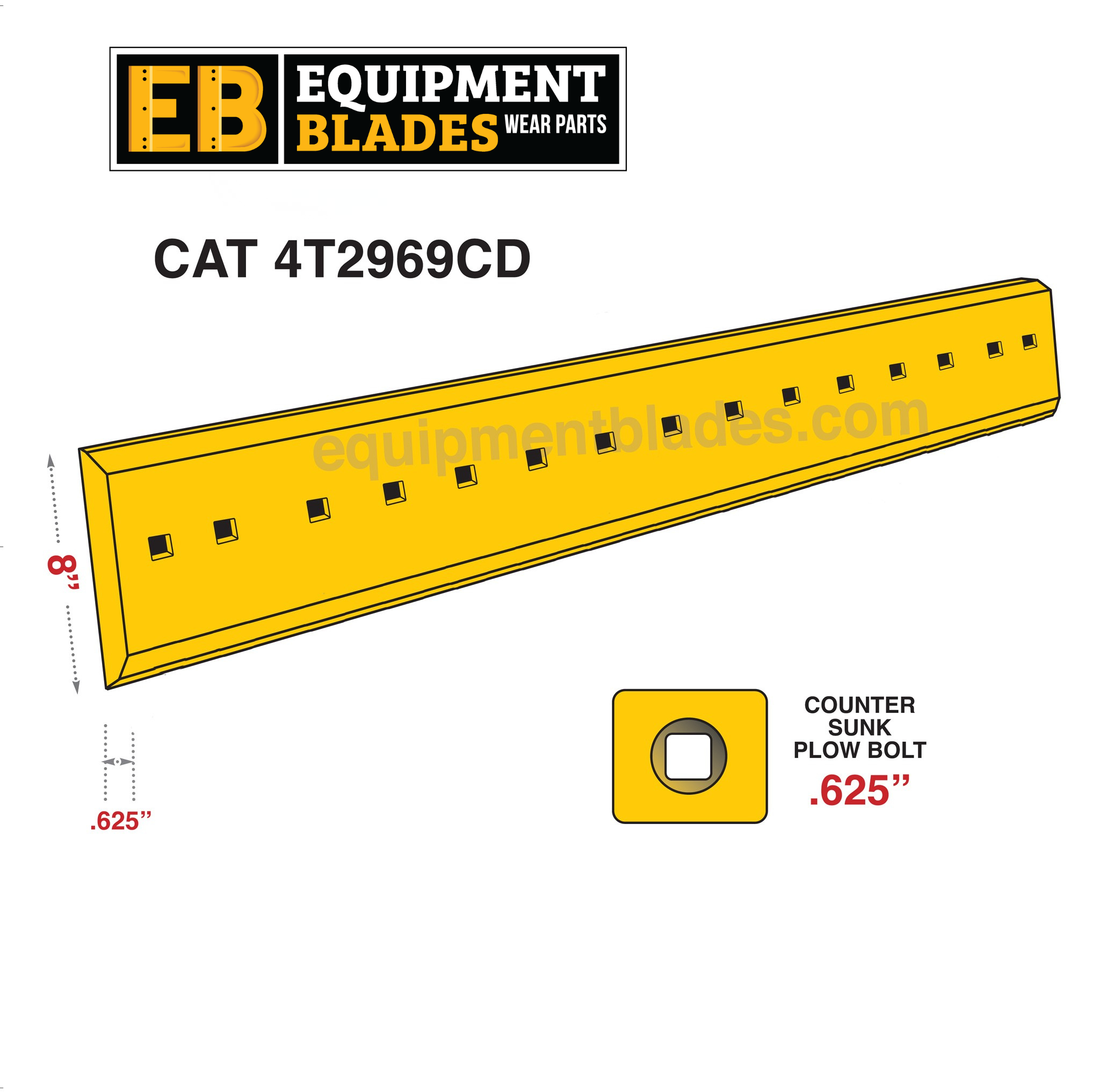
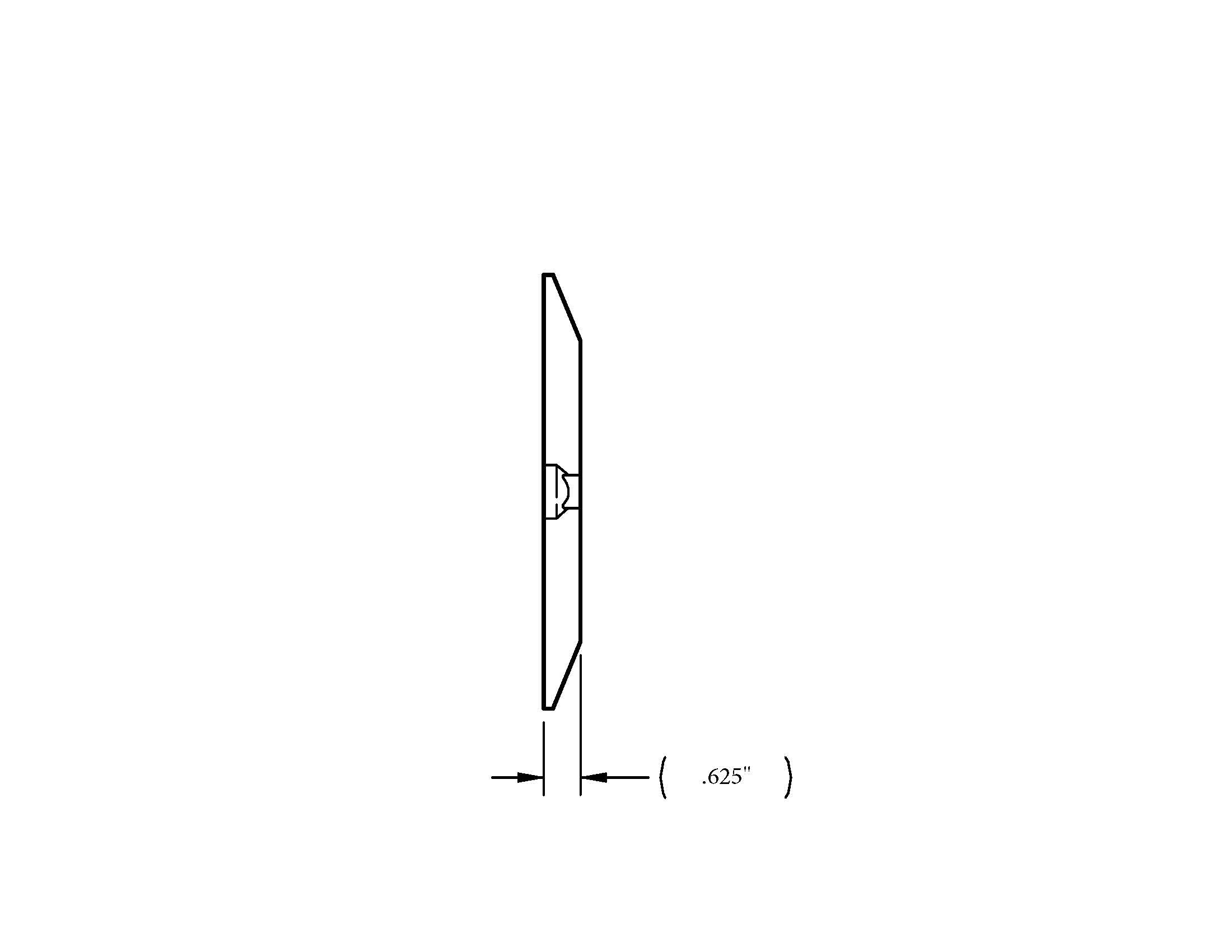
Part #: CAT 4T2969CD
Part #: CAT 4T2969CD
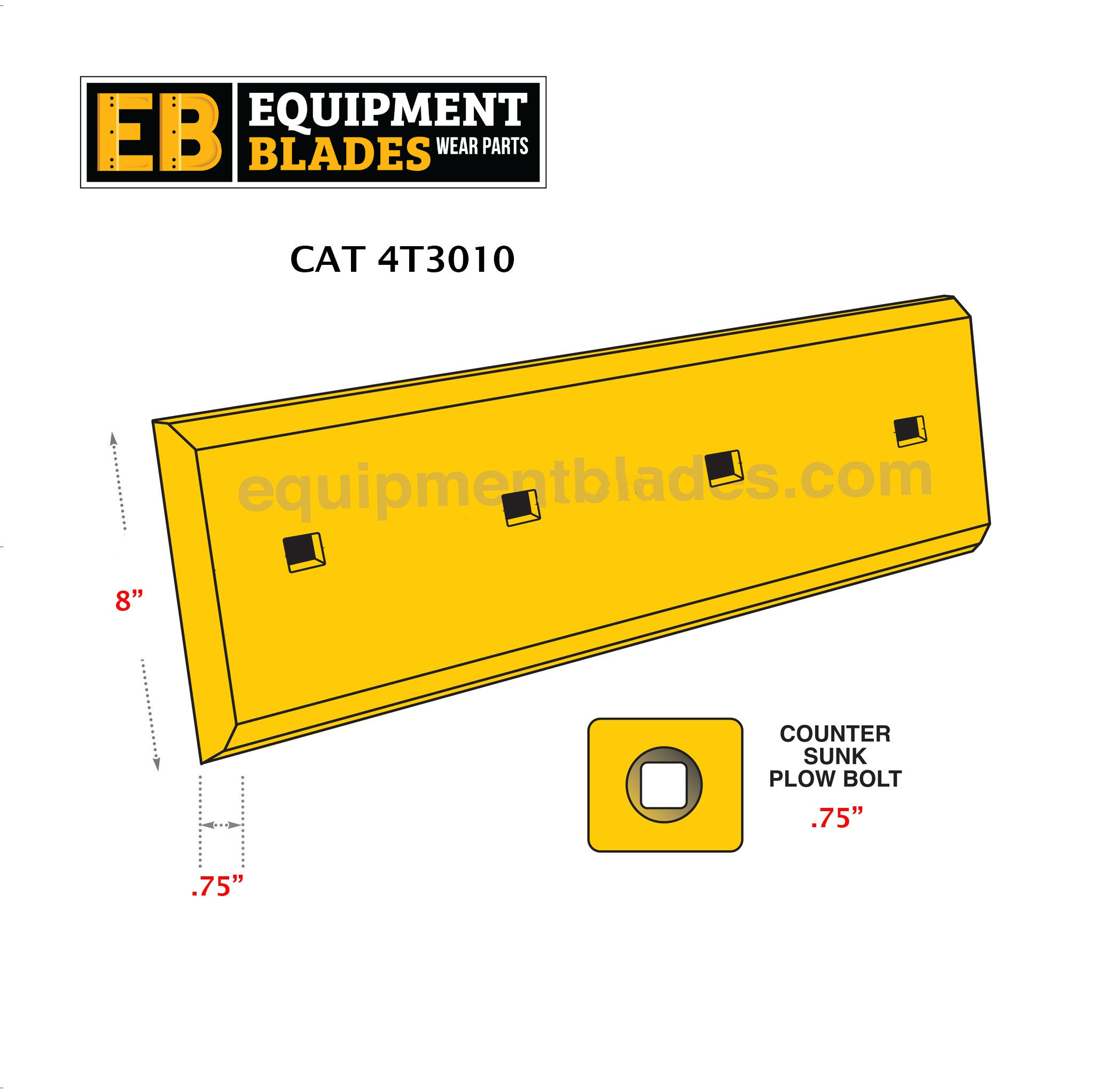
Part #: CAT 4T3010
Part #: CAT 4T3010
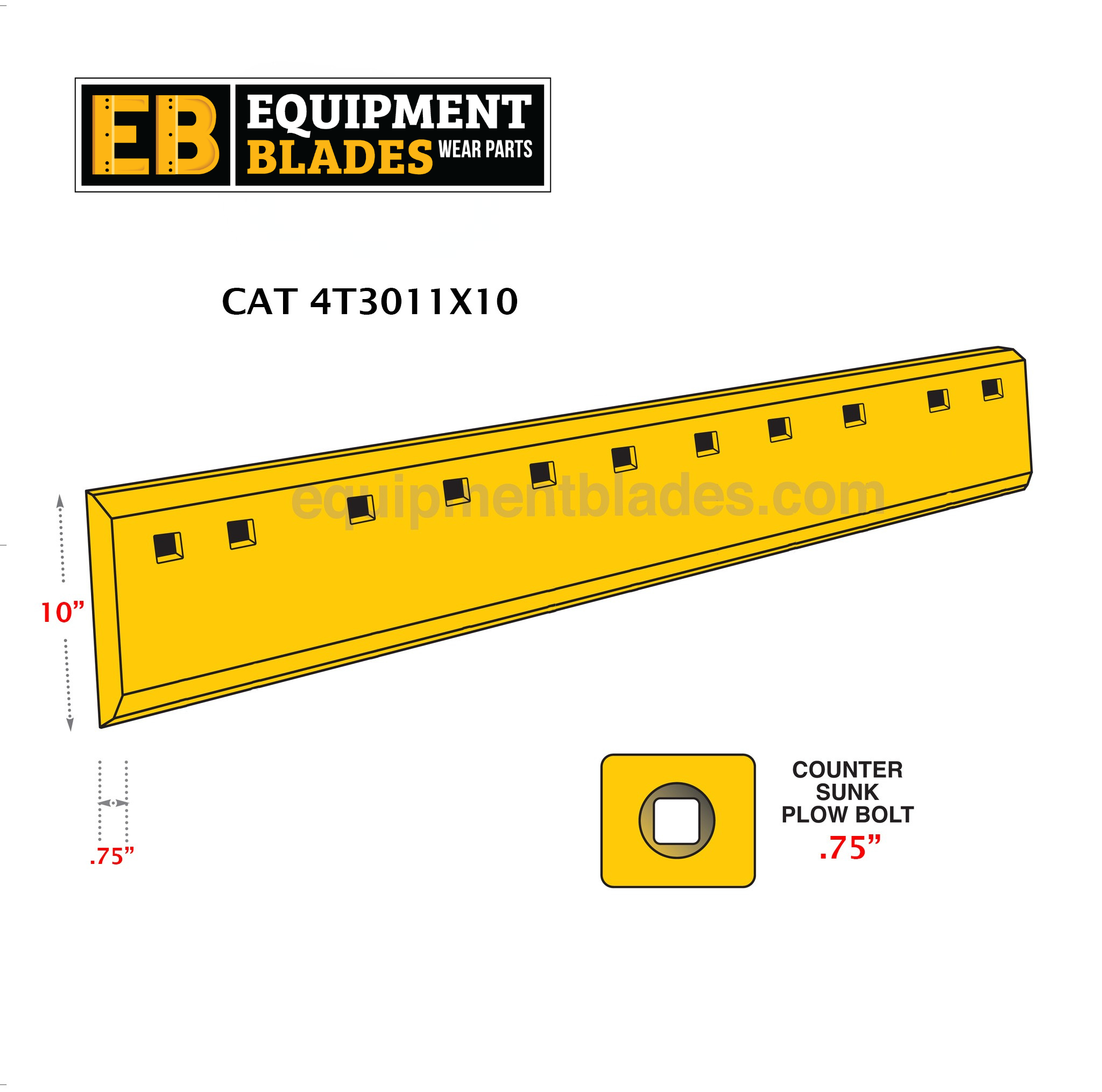
Part #: CAT 4T3011x10
Part #: CAT 4T3011x10
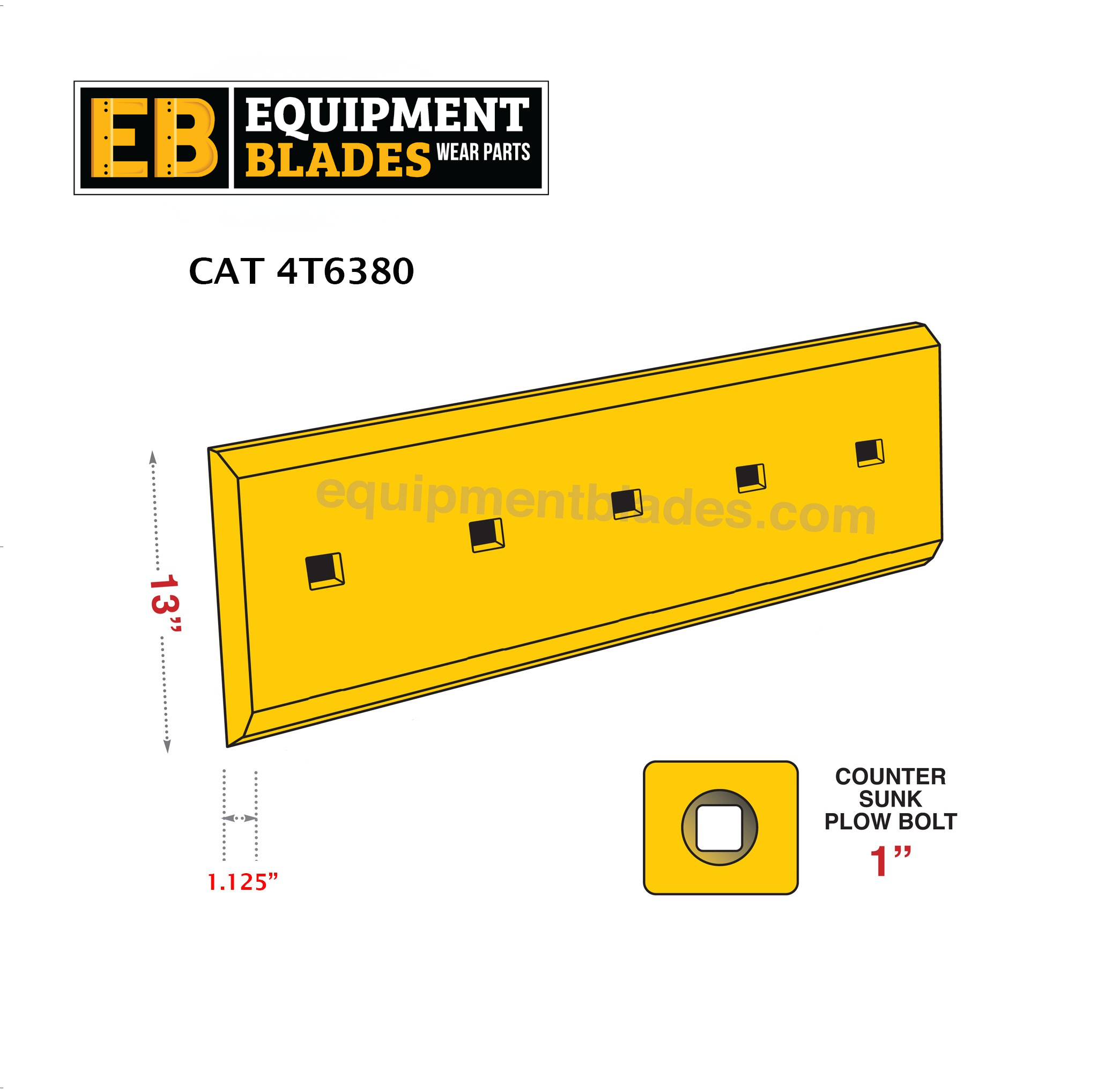
Part #: CAT 4T6380
Part #: CAT 4T6380
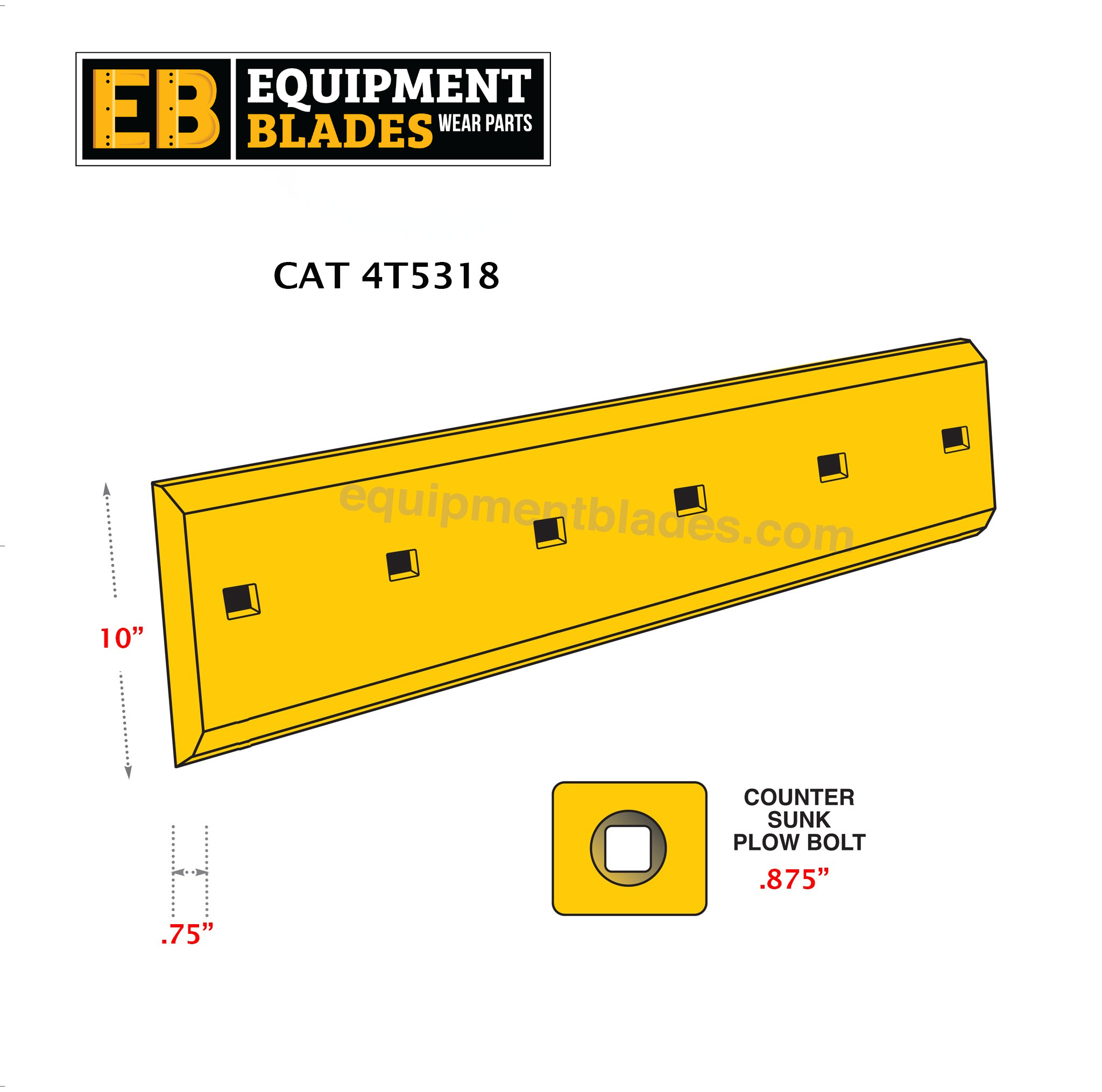
Part #: CAT 4T5318
Part #: CAT 4T5318
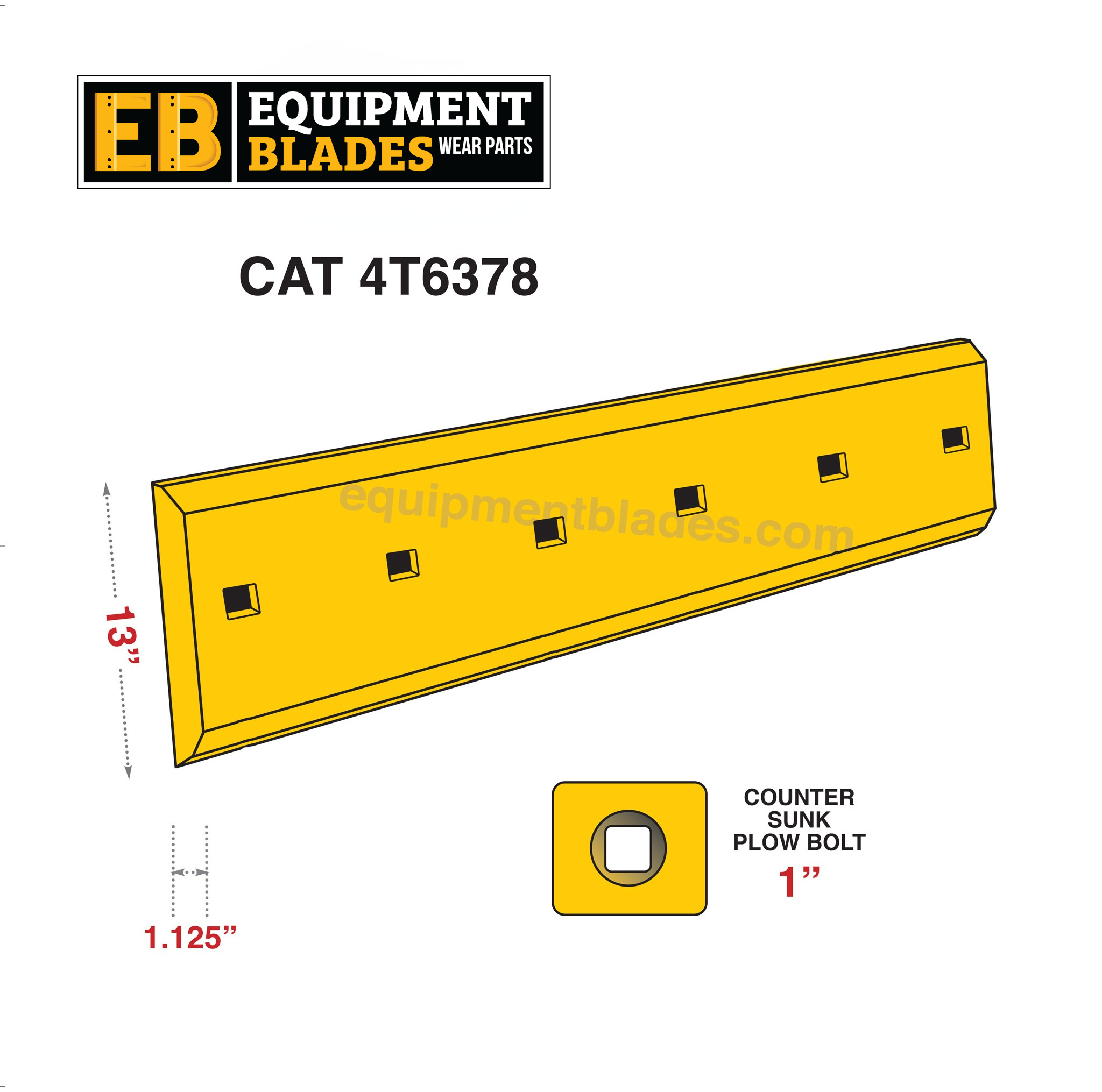
Part #: CAT 4T6378
Part #: CAT 4T6378
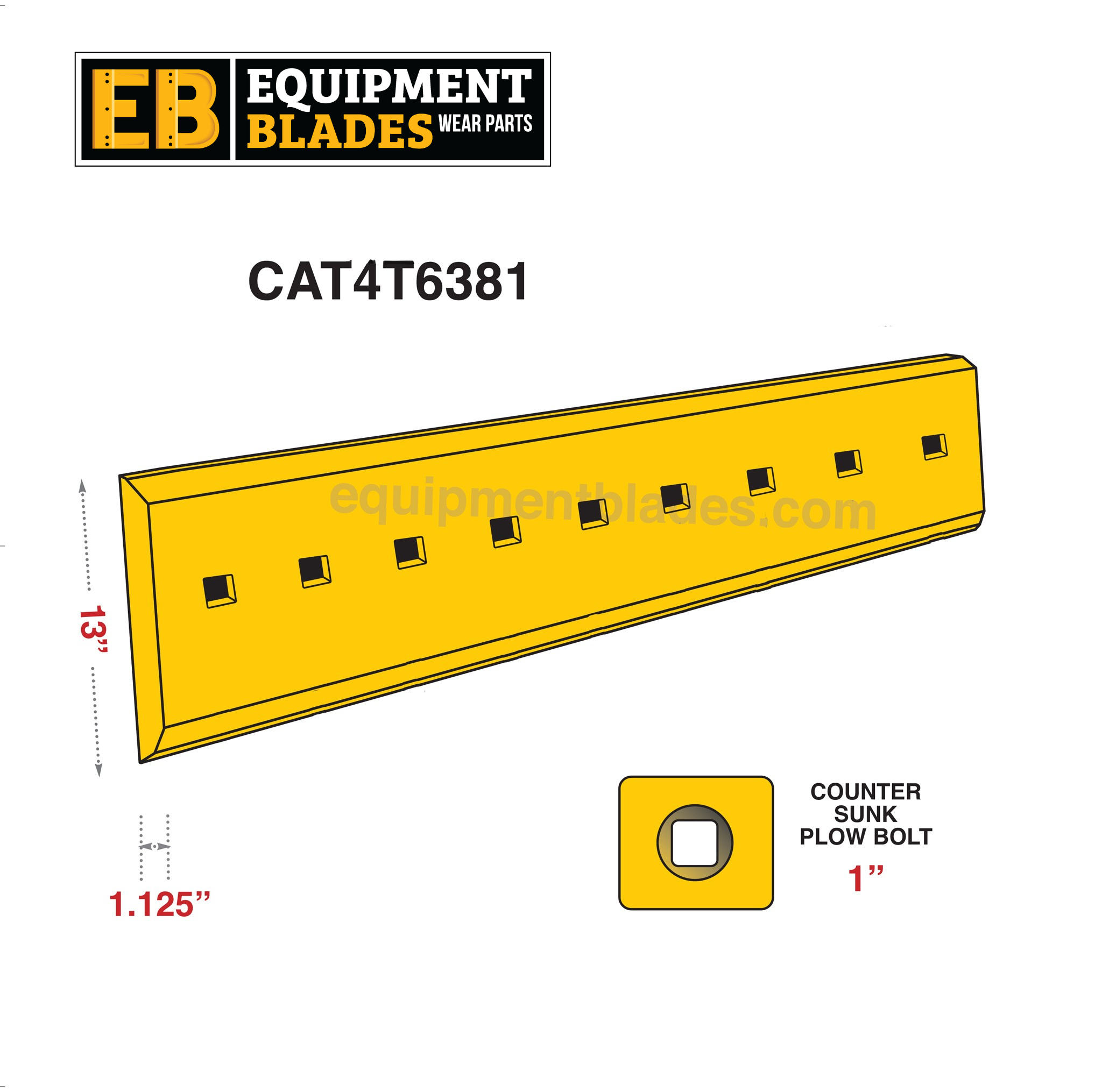
Part #: CAT 4T6381
Part #: CAT 4T6381
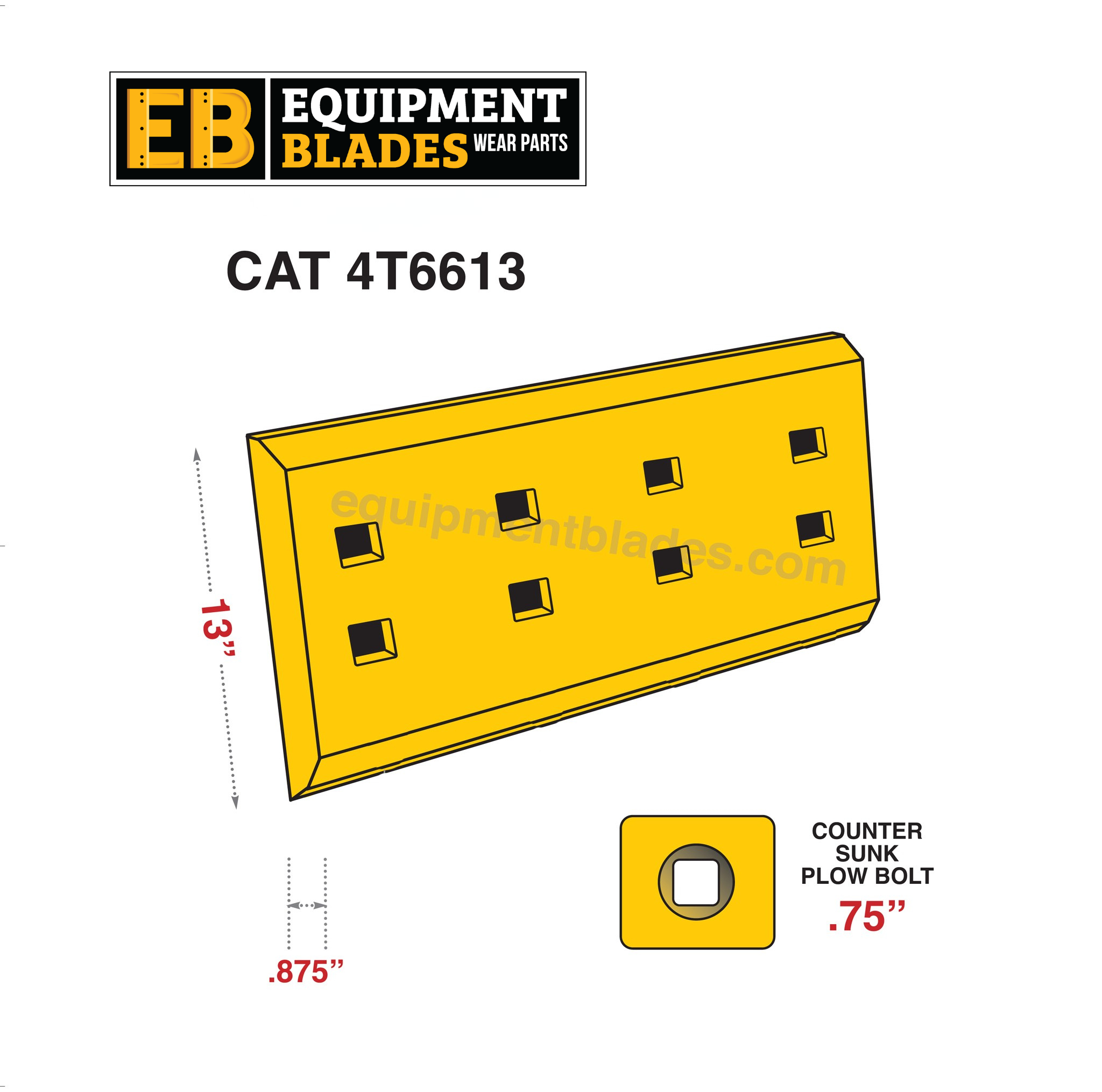
Part #: CAT 4T6613
Part #: CAT 4T6613
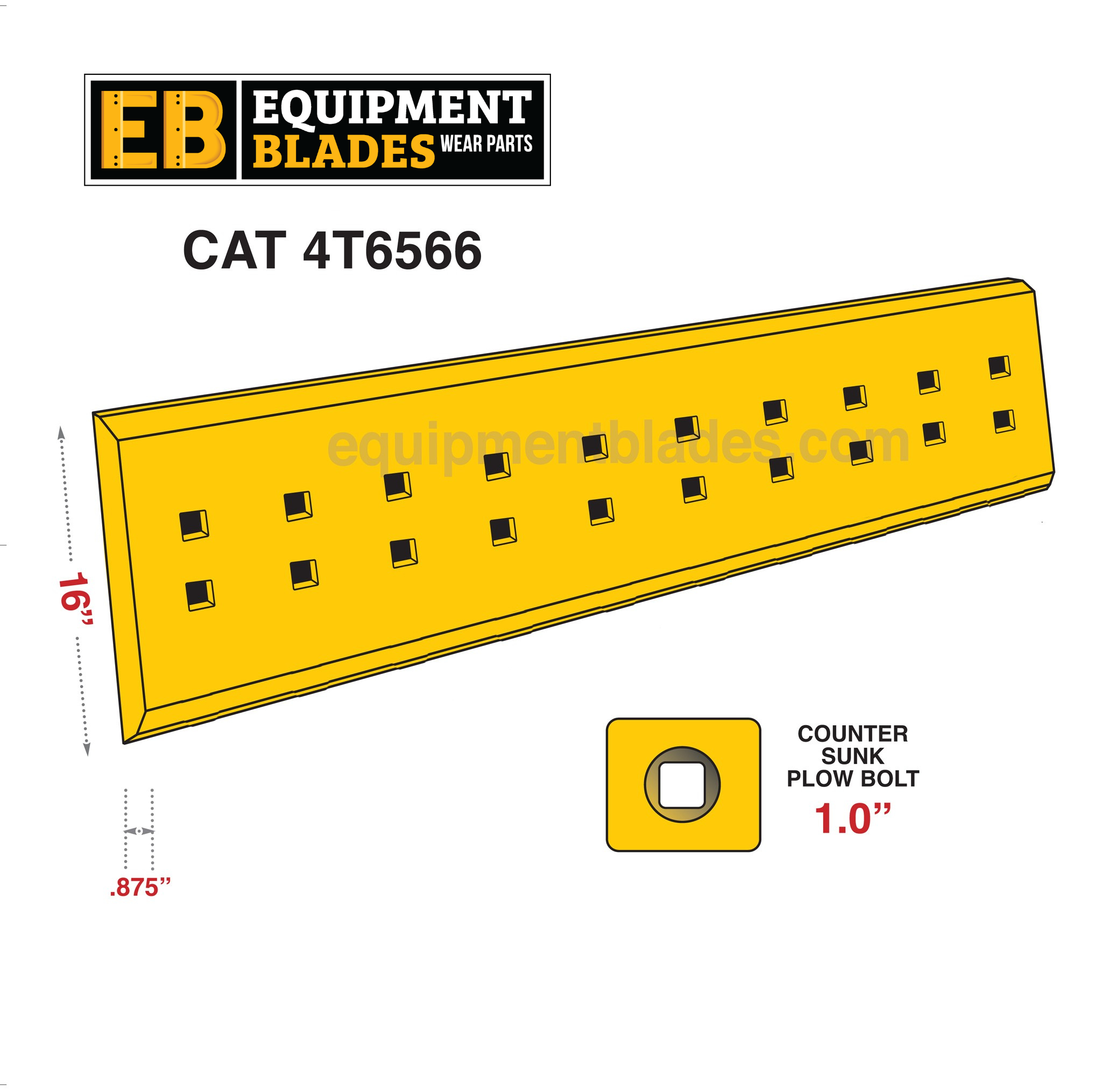
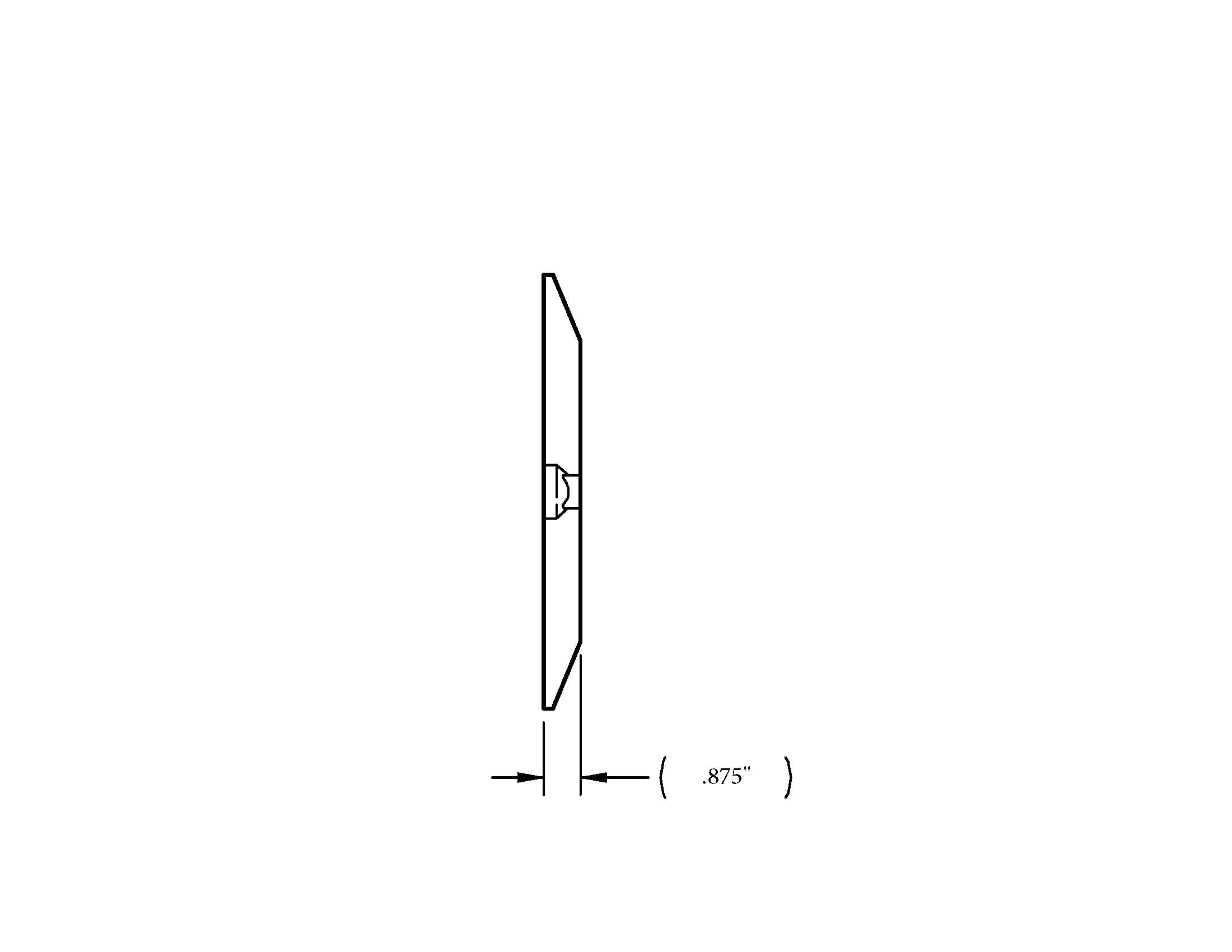
Part #: CAT 4T6566
Part #: CAT 4T6566
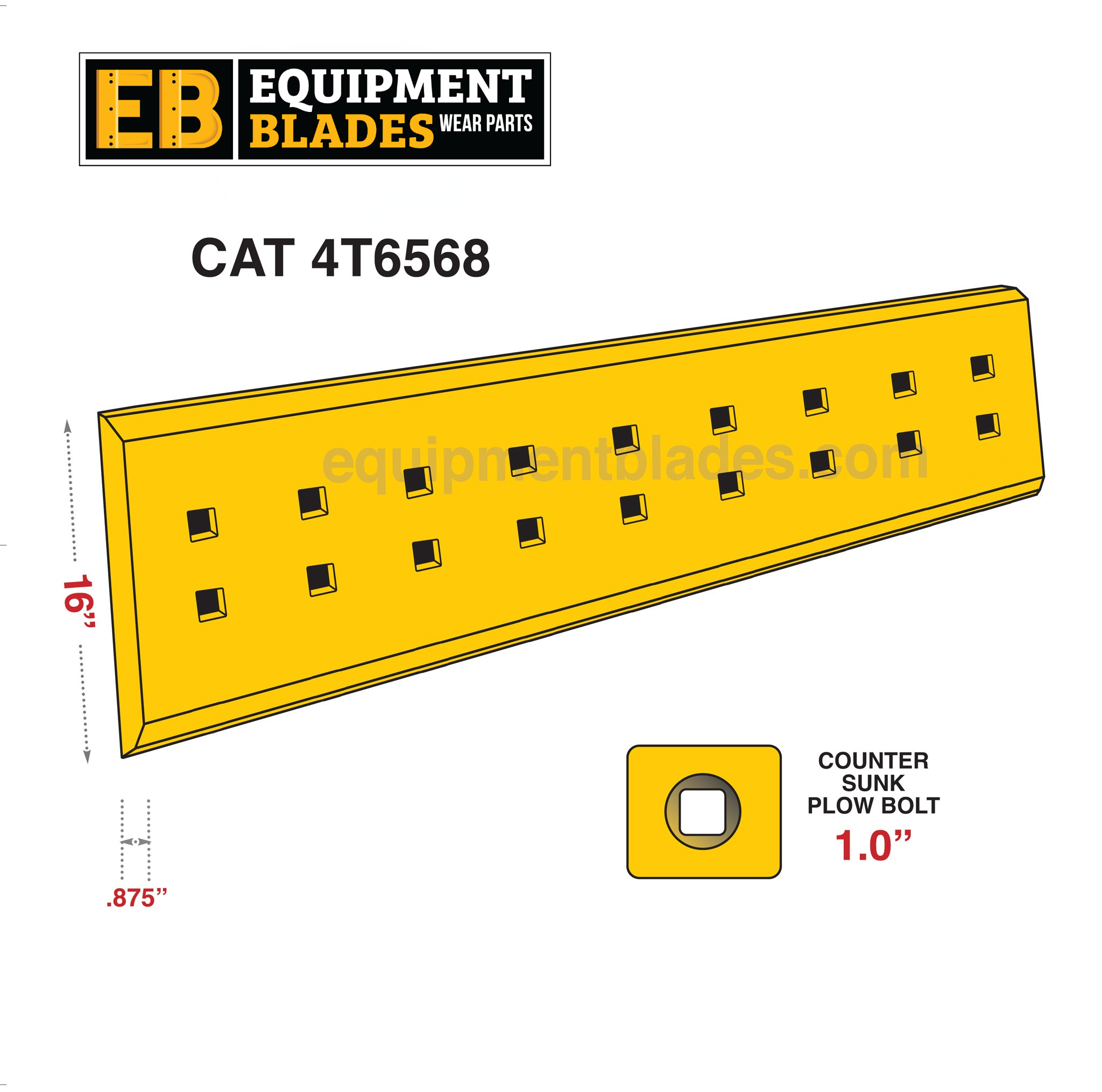
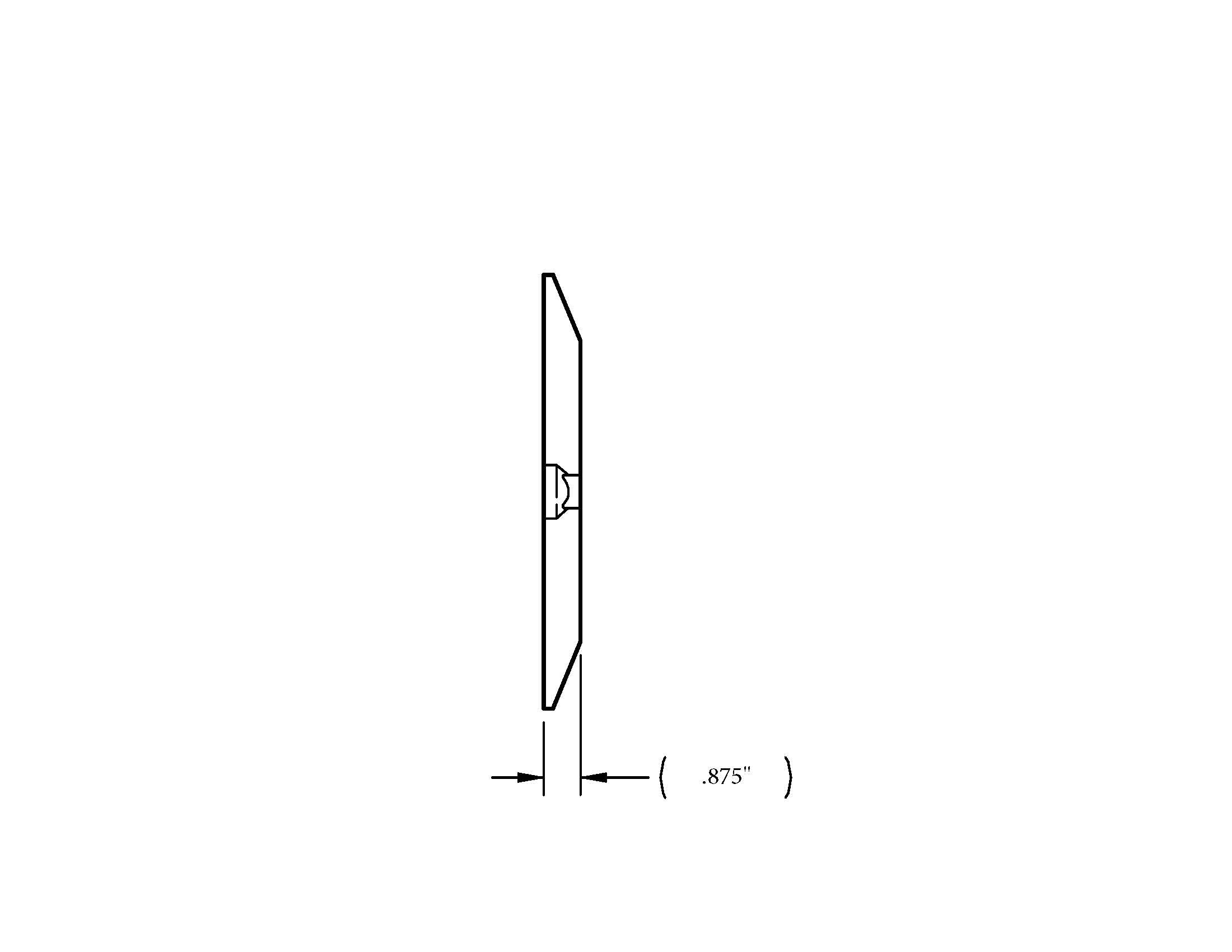
Part #: CAT 4T6568
Part #: CAT 4T6568
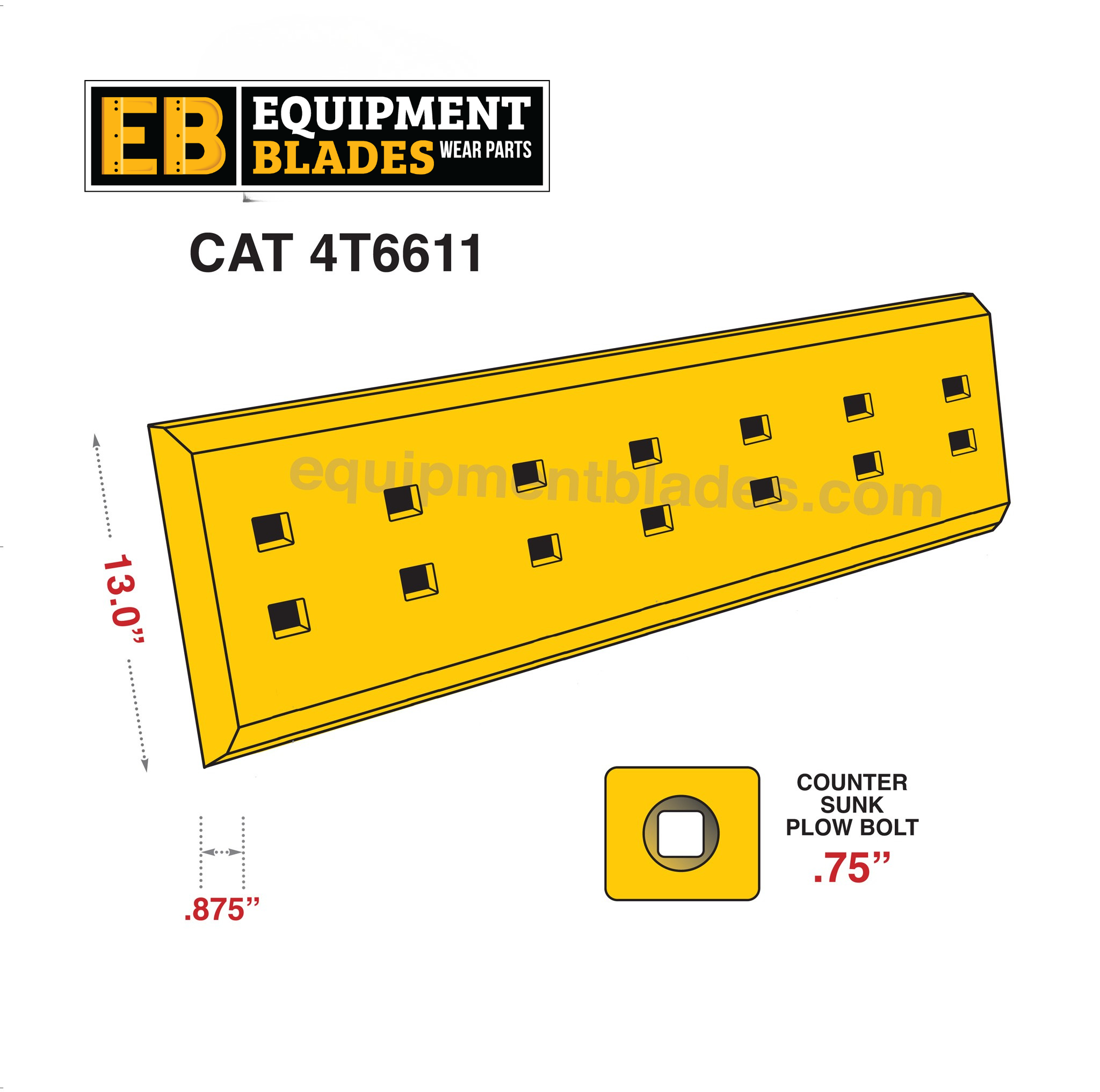

Part #: CAT 4T6611
Part #: CAT 4T6611
<div class="eb-collection-copy">
<style>
.eb-collection-copy {
--eb-charcoal: #2b2b2b;
--eb-steel: #58595B;
--eb-orange: #F7941D;
--eb-bg-light: #f5f5f4;
--eb-border: #e0e0de;
text-align: left;
max-width: 68ch;
color: var(--eb-charcoal);
line-height: 1.6;
font-size: 1rem;
}
.eb-collection-copy h2 {
color: var(--eb-charcoal);
font-size: 1.4rem;
margin-top: 2.2rem;
margin-bottom: 0.75rem;
}
.eb-collection-copy p {
margin: 0 0 1rem 0;
}
.eb-collection-copy ul {
list-style: none;
margin: 0 0 1rem 0;
padding: 0;
}
.eb-collection-copy ul li {
position: relative;
padding-left: 1.4rem;
margin-bottom: 0.75rem;
}
.eb-collection-copy ul li::before {
content: "\2022";
color: var(--eb-orange);
font-weight: bold;
position: absolute;
left: 0;
}
.eb-collection-copy .eb-why-choose {
background: var(--eb-bg-light);
border-left: 4px solid var(--eb-orange);
padding: 1.25rem 1.5rem;
border-radius: 4px;
}
.eb-collection-copy .eb-why-choose ul {
margin-bottom: 0;
}
.eb-collection-copy details {
border-bottom: 1px solid var(--eb-border);
padding: 0.9rem 0;
}
.eb-collection-copy details summary {
cursor: pointer;
font-weight: 600;
list-style: none;
position: relative;
padding-right: 1.75rem;
}
.eb-collection-copy details summary::-webkit-details-marker {
display: none;
}
.eb-collection-copy details summary::after {
content: "+";
color: var(--eb-orange);
font-size: 1.3rem;
font-weight: bold;
position: absolute;
right: 0;
top: -2px;
}
.eb-collection-copy details[open] summary::after {
content: "\2212";
}
.eb-collection-copy details p {
margin-top: 0.75rem;
}
</style>
<p>
Caterpillar® equipment is built for high-production work in demanding ground conditions, and dozer blades, grader moldboards, loader buckets, and excavator attachments all depend on a properly fitted cutting edge to hold up. The right CAT® edge depends on machine model, attachment type, working material, and mounting configuration, and replacing it before wear reaches the structural steel keeps repairs simple and equipment productive across construction, mining, road building, and earthmoving work.
</p>
<h2>What Are Caterpillar Cutting Edges and Wear Parts</h2>
<p>
A Caterpillar cutting edge is the primary wear surface on a dozer blade, grader moldboard, or loader bucket that meets soil, gravel, asphalt, or rock. It absorbs abrasion and impact so the base steel underneath stays protected. Available configurations include bolt-on cutting edges for CAT dozers, graders, and wheel loaders; reversible double-bevel edges for extended service life; single-bevel dozer and grader blade edges; end bits and corner wear protection; and custom-cut replacement edges with specified hole spacing and thickness.
</p>
<h2>Why Replace Caterpillar Wear Parts Regularly</h2>
<ul>
<li><strong>Prevent structural damage.</strong> Operating with an excessively worn CAT cutting edge exposes the moldboard base, blade steel, or bucket lip to direct ground contact, turning a simple part swap into a welding repair.</li>
<li><strong>Watch for the warning signs.</strong> Inspect regularly for uneven wear across the blade, rounded or reduced cutting profiles, elongated bolt holes, loose or missing hardware, and cracks near corners or mounting holes.</li>
<li><strong>Avoid uneven wear and downtime.</strong> Regular inspection catches problems before they force unplanned attachment downtime or lopsided wear across the blade.</li>
<li><strong>Match the edge to the machine.</strong> Don't rely on machine model alone. Caterpillar dozers and graders may run different blade configurations, so the installed cutting edge can vary even across the same model line.</li>
</ul>
<h2>Why Choose Equipment Blades for Caterpillar Parts</h2>
<div class="eb-why-choose">
<ul>
<li><strong>Broad CAT coverage.</strong> Replacement cutting edges and wear components for dozers, graders, wheel loaders, scrapers, and excavator attachments.</li>
<li><strong>Abrasion-resistant and reversible options.</strong> Hardened steel and reversible designs built for extended service life in tough ground conditions.</li>
<li><strong>Custom dimensions.</strong> Domestic manufacturing covers nonstandard blade configurations and mounting patterns when a stock size doesn't fit.</li>
<li><strong>Real fitment help.</strong> Our team compares measurements and part numbers to confirm the correct CAT replacement edge before it ships.</li>
<li><strong>One source for every brand.</strong> Caterpillar coverage sits alongside Bobcat, Case, John Deere, Komatsu, and more for a mixed fleet.</li>
</ul>
</div>
<h2>Common FAQs About Caterpillar Cutting Edges and Wear Parts</h2>
<details>
<summary>What information do you need to identify a CAT cutting edge</summary>
<p>Send the Caterpillar machine model, blade or bucket width, overall edge length, thickness, bolt-hole spacing, bevel style, and any visible part number. Photos of the cutting edge and mounting area also help confirm fitment.</p>
</details>
<details>
<summary>Are all CAT dozer blades fitted with the same cutting edge</summary>
<p>No. Caterpillar cutting edge dimensions can vary by machine model, blade type, and intended application. Always confirm the installed edge measurements before ordering.</p>
</details>
<details>
<summary>Should I choose a reversible CAT cutting edge</summary>
<p>A reversible edge can provide longer usable life since it can be rotated once one side wears down. Suitability depends on the blade design, bolt pattern, and operating conditions.</p>
</details>
<details>
<summary>When should a Caterpillar blade edge be replaced</summary>
<p>Replace or rotate the CAT cutting edge before wear reaches the moldboard base or supporting steel. Delaying replacement can turn a routine wear-part change into a structural repair.</p>
</details>
<details>
<summary>Do you carry cutting edges for CAT motor graders and dozers</summary>
<p>Yes. We offer Caterpillar cutting edges for many dozer, grader, and loader applications. Send us your machine model, blade dimensions, or part number so we can confirm fitment and current availability.</p>
</details>
</div>

Not sure which parts you need?
Our friendly service reps will be happy to assist. Please download and fill out our blade measurement form and either fax or email it back and we’ll find you the right parts.
 Download Form