

CAT® Wear Parts and Cutting Edges
Filters
Part #:
Part #:
Part #:
Part #:
Part #:
Part #:
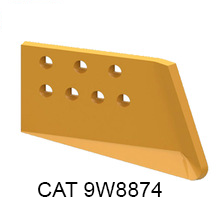
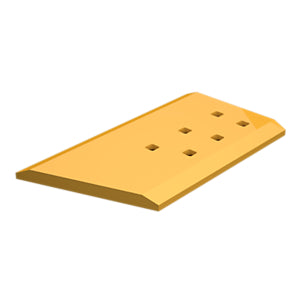
Part #: CAT 9W8874
Part #: CAT 9W8874
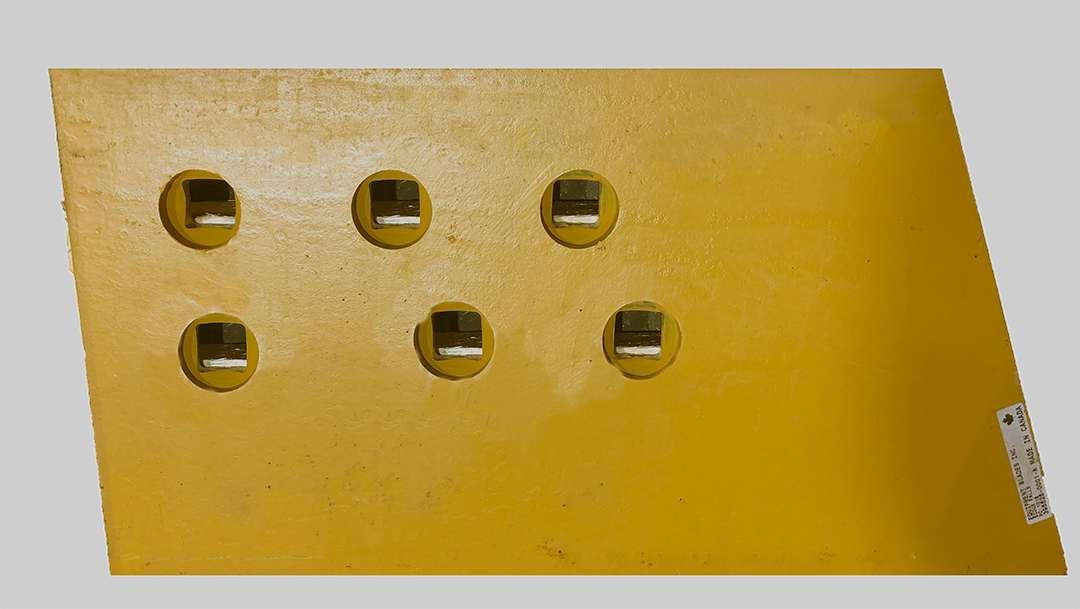
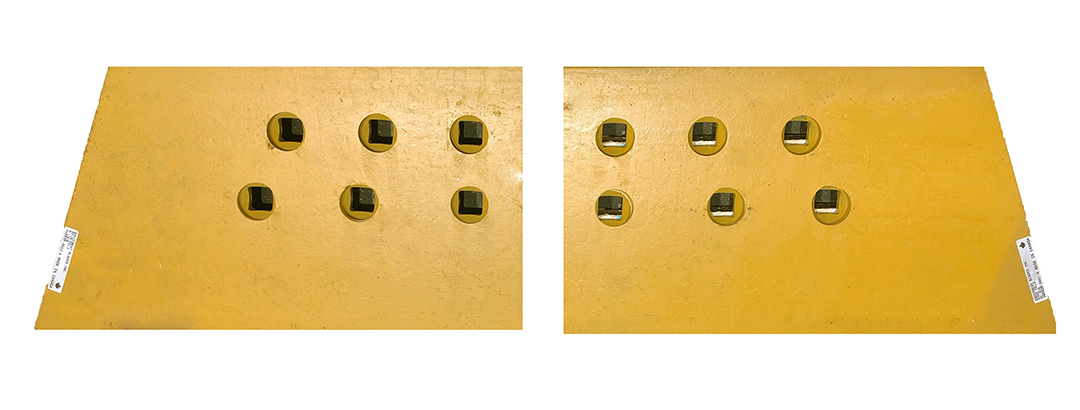
Part #: CAT 9W8875
Part #: CAT 9W8875
Part #:
Part #:
Part #:
Part #:
Part #:
Part #:
Part #:
Part #:
Part #:
Part #:
Part #:
Part #:
Part #:
Part #:
Part #:
Part #:
Part #:
Part #:
Part #:
Part #:
Part #:
Part #:
Part #:
Part #:
Part #:
Part #:
Part #:
Part #:
Part #:
Part #:
Part #:
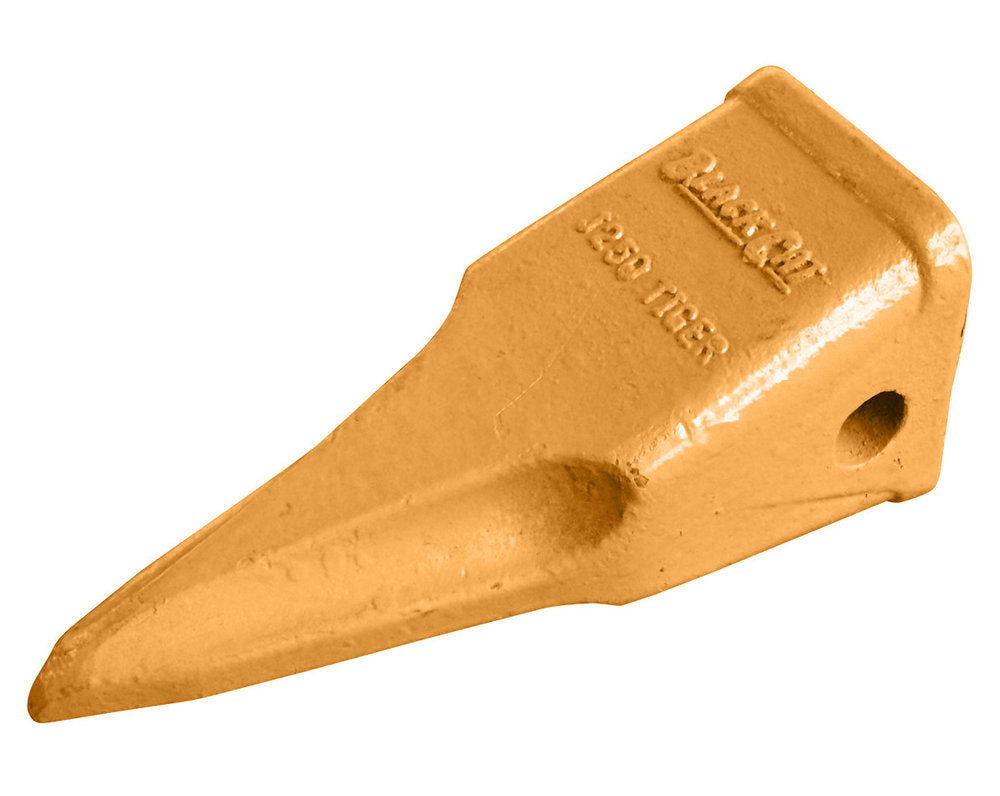
Part #: CAT J250TIGER
Part #: CAT J250TIGER
Part #:
Part #:
Part #:
Part #:
Part #:
Part #:
CAT Cutting Edges and Wear Parts
CAT equipment operates in demanding environments where durability and performance matter. Loader buckets, grader moldboards, and dozer blades depend on high quality cutting edges and wear components to maintain productivity and protect structural components.
What are cutting edges and wear parts
Cutting edges are the primary wear surface that contacts soil, gravel, asphalt, or rock. They absorb abrasion while preserving the base attachment. Supporting wear parts may include end bits, corner guards, adapters, and protective side plates designed to shield high impact areas.
Why replace wear parts regularly
Prevent structural damage: Running an edge too thin can damage the bucket lip or moldboard.
Maintain clean cuts: Sharp edges reduce bounce and chatter during grading.
Lower operating costs: Efficient penetration reduces machine strain and fuel use.
Faster field replacement: Bolt on edges simplify maintenance and keep machines working.
Consistent finish quality: Properly maintained blades improve surface control.
Balanced wear: Rotating or flipping edges distributes wear evenly.
Why choose Equipment Blades
OEM compatible fitment for CAT loaders and graders.
Abrasion resistant steel options for extended wear life.
Inventory coverage across multiple machine models.
Custom hole spacing and thickness options when needed.
Responsive support to ensure proper part selection.
Common FAQs about CAT cutting edges and blades
How do I confirm compatibility
Measure your existing blade length, hole spacing, thickness, and bevel style.
Single bevel vs double bevel
Single bevel edges cut in one direction. Double bevel or reversible blades can be flipped for extended use.
When should I flip a reversible blade
Flip when wear reaches roughly half the usable edge thickness to maximize total life.
What bolt grade should I use
Use high strength hardware such as Grade 8 or equivalent for secure mounting.

Not sure which parts you need?
Our friendly service reps will be happy to assist. Please download and fill out our blade measurement form and either fax or email it back and we’ll find you the right parts.
 Download Form