Cutting Edges: A Complete Guide to Equipment Blades Products and Applications
When it comes to heavy equipment performance, few components matter more than cutting edges. They absorb constant impact, wear faster than most parts, and directly affect how efficiently your equipment performs in the field.
At Equipment Blades, cutting edges are not just another replacement part. They are critical performance components designed to improve productivity, reduce downtime, and extend equipment life.
This guide explains what cutting edges are, how they are used, and how to choose the right option for your machine and application.
What Are Cutting Edges for Heavy Equipment?
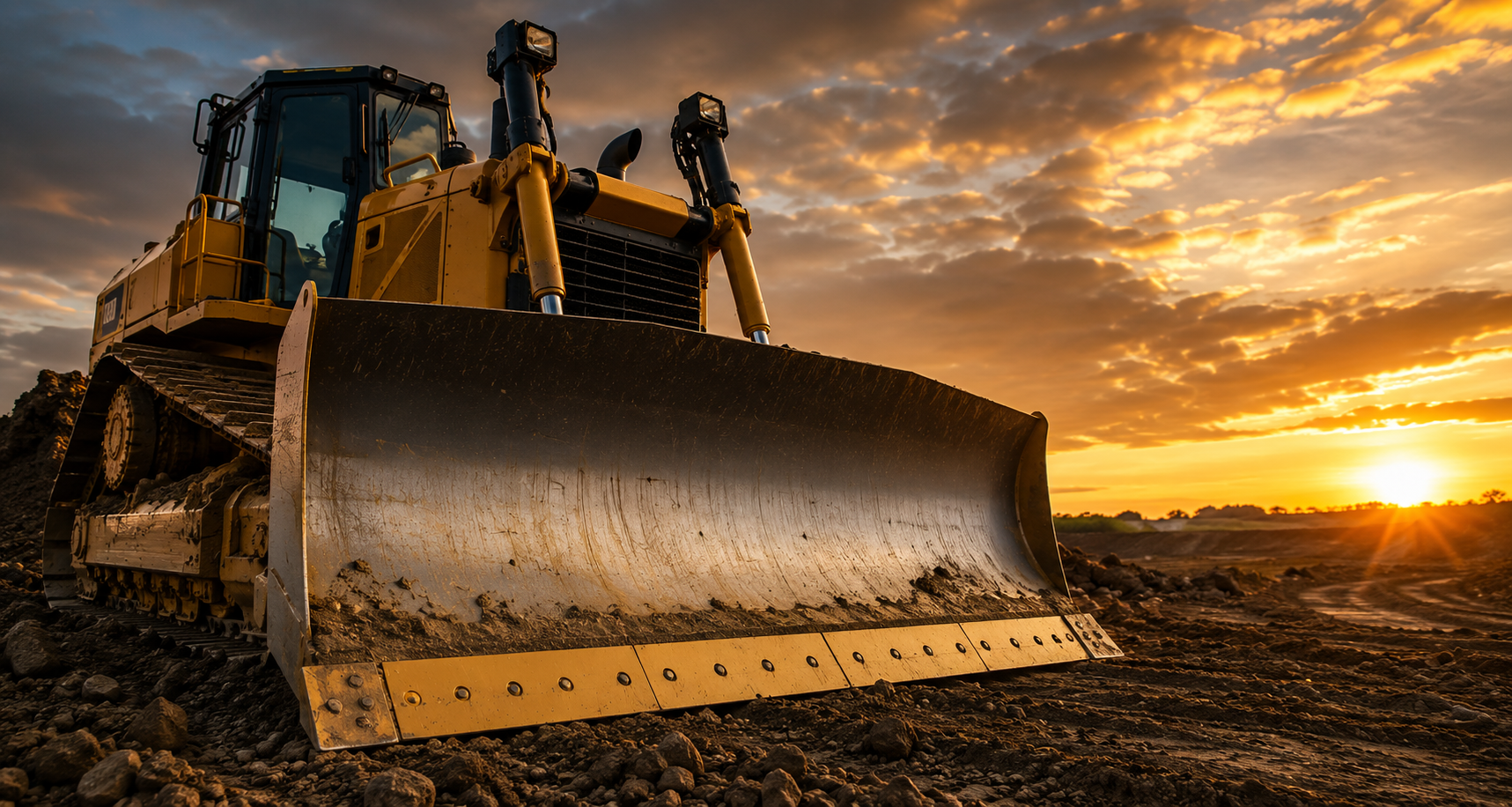
Cutting edges are hardened steel components mounted to the leading edge of heavy equipment attachments. They are engineered to protect the base attachment while improving cutting and material movement performance.
You will commonly find cutting edges on:
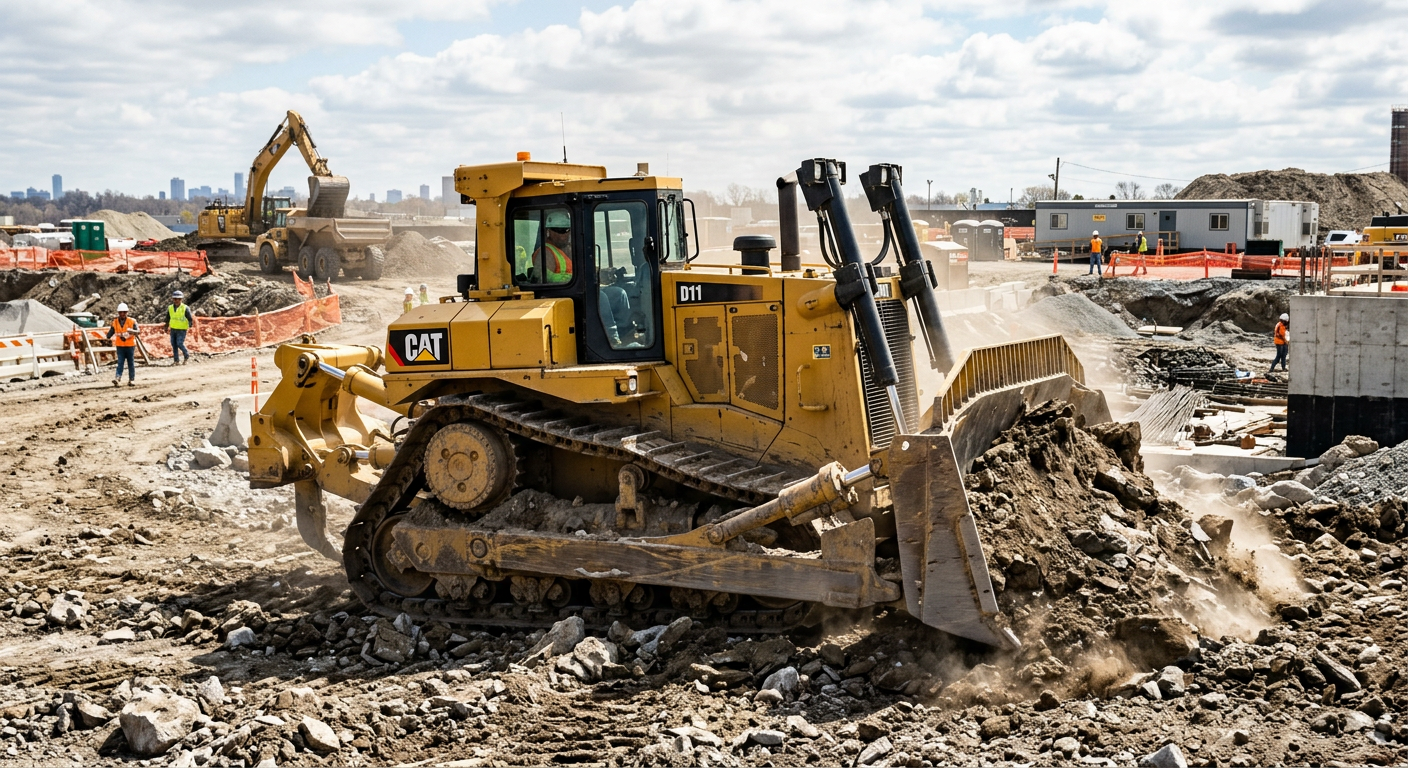
- Dozers
- Motor graders
- Wheel loaders
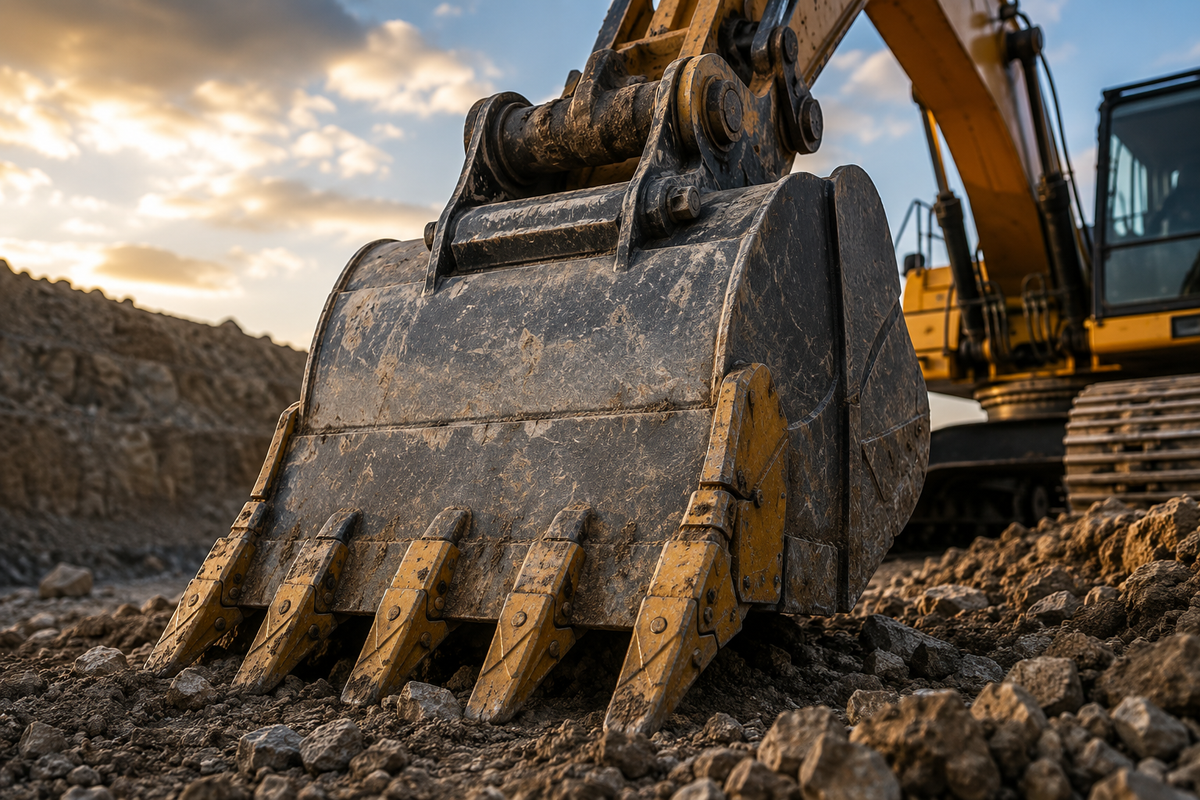
- Excavator buckets
- Snow removal equipment
These components are built to handle abrasive materials such as dirt, gravel, rock, asphalt, and snow.
Without a properly maintained cutting edge, equipment experiences:
- Increased wear
- Higher fuel consumption
- Reduced cutting efficiency
- More strain on hydraulic and drivetrain systems
Why Cutting Edges Matter
Many operators view cutting edges as simple wear parts. In reality, they play a major role in machine performance and operating costs.
The right cutting edge can help:
- Reduce wear on expensive attachments
- Improve grading and cutting precision
- Increase productivity on the jobsite
- Lower fuel usage by reducing resistance
- Extend the lifespan of buckets and blades
- Reduce downtime caused by excessive wear
For contractors and fleet managers, these improvements directly impact profitability and project timelines.

Types of Cutting Edges Offered by Equipment Blades
Dozer Cutting Edges
Dozer cutting edges are designed for pushing and moving heavy material under extreme pressure.
Key benefits include:
- High impact resistance
- Long-lasting edge retention
- Consistent push performance
- Improved material movement
Grader Blades and Cutting Edges
Motor graders rely on precision. Worn or low-quality grader blades can lead to uneven surfaces, poor finish quality, and unnecessary rework.
Our grader blades are designed for:
- Smooth grading performance
- Long wear life
- Consistent surface results
- Reliable fitment
Loader and Bucket Edges
Loader and bucket edges handle constant abrasion from scooping, loading, and moving material.
These edges help:
- Protect bucket structures
- Improve penetration into material
- Extend bucket lifespan
- Maintain loading efficiency
End Bits
End bits reinforce the outer corners of blades and buckets where wear is often most aggressive.
Benefits include:
- Corner protection
- Better edge alignment
- Longer cutting edge lifespan
- Reduced structural wear
Overlay and High-Wear Edges
Overlay edges are designed for extreme environments where standard cutting edges wear too quickly.
These are ideal for:
- Rocky terrain
- Mining applications
- High-abrasion conditions
- Extended service intervals
Equipment Brands Supported
Equipment Blades provides cutting edges compatible with many of the industry's leading equipment manufacturers, including:
- Caterpillar
- John Deere
- Komatsu
- Volvo
- Case
Every machine requires proper sizing and fitment. Using the correct cutting edge helps ensure:
- Proper installation
- Maximum wear life
- Better machine performance
- Reduced risk of premature failure
How to Choose the Right Cutting Edge
Not all cutting edges are designed for the same environment or workload.
Consider the Material
Different materials create different wear patterns.
- Dirt and sand often work well with standard edges
- Gravel and rock require reinforced or overlay edges
- Snow and ice applications need specialized blade configurations
Consider the Machine Type
Each machine has different performance priorities.
- Dozers require strength and durability
- Graders require precision and consistency
- Loaders require penetration and protection
Consider Long-Term Cost
Lower-cost cutting edges may reduce upfront expense but often wear faster and require more frequent replacement.
Higher-quality cutting edges can help reduce:
- Downtime
- Labor costs
- Equipment wear
- Total operating cost over time
Why Contractors Choose Equipment Blades
There are many suppliers of cutting edges. Equipment Blades focuses on delivering products built for real-world jobsite conditions.
Consistent Quality
Every product is built for durability and long-term performance in demanding environments.
Reliable Fitment
Proper fitment helps eliminate installation issues and improves overall equipment performance.
Wide Product Selection
Equipment Blades offers solutions for multiple machine types and applications, from standard wear edges to high-abrasion overlay options.
Fast Availability
Equipment downtime costs money. Fast access to replacement parts matters.
The Connection Between Cutting Edges and Equipment Performance
Worn cutting edges increase resistance and reduce machine efficiency. Over time, this can place unnecessary stress on expensive equipment components.
Signs it may be time to replace cutting edges include:
- Rounded or uneven wear
- Reduced cutting performance
- Increased fuel usage
- Poor grading consistency
- Visible cracking or deformation
Replacing cutting edges before excessive wear occurs helps maintain productivity and protect your equipment investment.
Shop Heavy Equipment Cutting Edges
Whether you operate a single machine or manage an entire fleet, choosing the right cutting edges helps improve efficiency, reduce wear, and keep projects moving.
Shop cutting edges and wear parts at Equipment Blades
Frequently Asked Questions
What are cutting edges used for?
Cutting edges improve machine performance while protecting heavy equipment attachments during grading, cutting, loading, and material movement.
How often should cutting edges be replaced?
Replacement frequency depends on usage, material conditions, and wear rate. Regular inspections are recommended.
Do all cutting edges fit every machine?
No. Cutting edges are machine-specific and must match the correct make and model.
What is the difference between standard and overlay cutting edges?
Overlay cutting edges include additional wear material for high-abrasion applications and longer service life.
Can worn cutting edges damage equipment?
Yes. Excessively worn edges can increase stress on equipment and lead to higher repair costs.
Which machines use cutting edges?
Cutting edges are commonly used on dozers, graders, loaders, excavators, and snow removal equipment.
Are cutting edges universal across brands?
No. Different manufacturers use different dimensions, mounting systems, and specifications.
How do I choose the right cutting edge?
Choose based on machine type, application, material conditions, and expected wear life.